

WeVote

Bill

Bill

S 4914

Green Ribbon Act of 2026

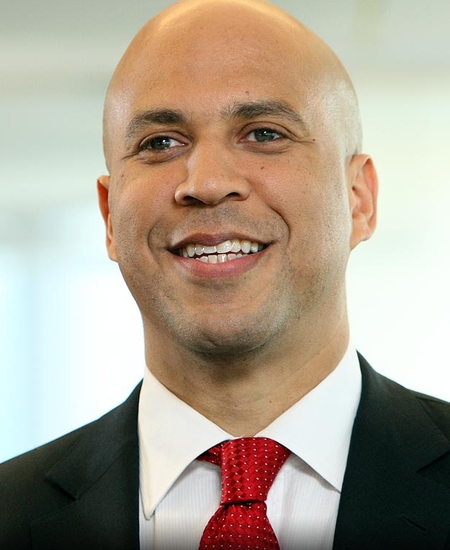
119th Congress Introduced by Cory Booker and 3 co-sponsors

The bill would expand the Green Ribbon Schools Program to include more schools and states, emphasizing environmental literacy and health in recognition and support.

Introduced in Senate
0
WeVote Research Nonpartisan
Bill Summary · S 4914

Summary of S. 4914 (119th Congress)

Purpose and intent

S. 4914 aims to strengthen and expand the Green Ribbon Schools Program administered by the U.S. Department of Education. The bill would boost the capacity of participating states to increase the number of schools, applicants, and nominees engaged with environmental, environmental literacy, and environmental health goals. In short, it seeks to broaden recognition and participation in green school initiatives and deepen focus on environmental education and health within schools.

Key provisions and changes

  • Program expansion and capacity-building: The bill would enhance the ability of states to scale the Green Ribbon Schools Program, enabling more schools to participate as applicants or nominees. This likely involves funding, resources, or streamlined processes to support state-level administration.
  • Emphasis on environmental literacy and health: Requirements or criteria for eligibility would be aligned with environmental literacy outcomes and environmental health considerations, reinforcing a holistic approach to sustainability in schools.
  • State participation and coordination: The measure emphasizes strengthening state-level participation, potentially through federal support to state education agencies or equivalent entities to manage outreach, training, and application assistance.
  • Recognition framework: While not detailing explicit changes to the awards, the bill implies an expanded recognition framework to accommodate a larger pool of schools and nominees, maintaining or enhancing the prestige of Green Ribbon recognition.

Who would be affected

  • Schools and districts: More schools, applicants, and nominees across states could participate and be recognized for environmental excellence, literacy, and health practices.
  • State education agencies: States would receive enhanced capacity to administer and promote the program, including outreach and assistance to schools seeking recognition.
  • Demonstrated programs: Schools implementing sustainability initiatives, environmental education curricula, and health-environment practices would be evaluated and showcased under the program’s criteria.

Procedural and timeline aspects

  • Introduced and referred: The bill was introduced in the Senate and referred to the Committee on Health, Education, Labor, and Pensions on June 24, 2026.
  • Next steps in process: The committee would typically review, possibly amend, and report the bill back to the Senate. Floor consideration would follow depending on committee action and broader legislative priorities.

Potential impacts and considerations

  • Educational impact: By expanding participation and prioritizing environmental literacy and health, schools could implement and showcase more robust sustainability practices, potentially influencing curricula, facilities, and community engagement.
  • Resource implications: Expansion would likely require federal funds or reallocations to support state capacity-building, application assistance, and program administration.
  • Equity and access: If implemented with targeted outreach and support, the expansion could improve access to Green Ribbon recognition for underrepresented or resource-constrained schools.

This summary reflects the bill’s stated aim to broaden and strengthen the Green Ribbon Schools Program to reach more schools and deepen environmental education and health outcomes.

Compiled from official sources — confirm details with the bill’s official record.

Sign in to ask a question.