

WeVote

Bill

Bill

S 4379

Russia’s War on Faith Act

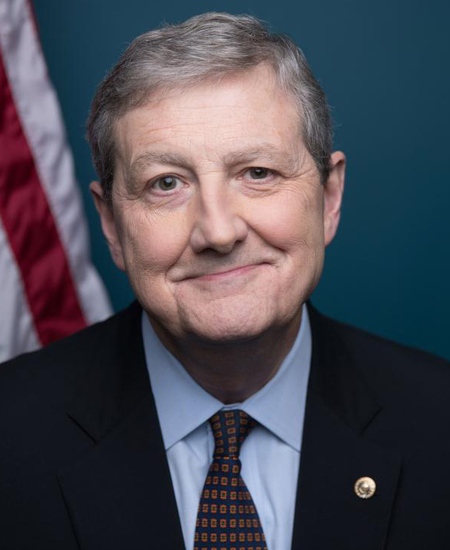
119th Congress Introduced by John Neely Kennedy and 1 co-sponsor

Requires a joint State-Defense report on Russia’s efforts to violate Ukraine’s religious freedoms and imposes sanctions on foreign individuals identified.

Introduced in Senate
0
WeVote Research Nonpartisan
Bill Summary · S 4379

Summary of Bill S. 4379 (119th Congress)

Overview

  • Title: A bill to require the Secretary of State and the Secretary of Defense to jointly submit a report on efforts by the Government of the Russian Federation to violate the religious freedoms of the people of Ukraine, to require the President to impose all applicable sanctions with respect to foreign persons determined to have engaged in such efforts, and for other purposes.
  • Status: Introduced and Read Twice; referred to the Senate Committee on Banking, Housing, and Urban Affairs (as of 2026-04-22).
  • Sponsors: Major sponsors include Senators John Neely Kennedy (R) and Sheldon Whitehouse (D). Co-sponsor: John Neely Kennedy; Co-sponsor: Sheldon Whitehouse.

1) Purpose and Intent

  • The bill aims to address violations of religious freedom in Ukraine attributed to actions by the Government of the Russian Federation.
  • It seeks to institutionalize a formal assessment by U.S. executive branch leadership (Secretary of State and Secretary of Defense) through a jointly produced report.
  • It expands sanctions authority by tying punitive measures to determinations that foreign individuals have engaged in efforts to violate Ukrainian religious freedoms.

2) Key Provisions and Provisions at a Glance

A. Joint Reporting Requirement

  • Entities Involved: Secretary of State and Secretary of Defense (jointly).
  • Subject: Assessments of the Government of the Russian Federation’s efforts to violate religious freedoms of Ukrainians.
  • Content (expected): Documentation of specific actions or campaigns, affected groups, and geographic or institutional targets within Ukraine; analysis of the scope and intent of Russian policy or actions intended to suppress religious liberty.
  • Timeline/Frequency: While the exact timing is not stated in the summary, the bill establishes an ongoing or periodic reporting obligation requiring coordinated input from both Secretaries.

B. Sanctions Authority Trigger

  • Actors Targeted: Foreign persons determined to have engaged in efforts to violate religious freedoms in Ukraine (as described by the report and determinations under the bill).
  • Sanctions: The President would be required to impose all applicable sanctions with respect to those individuals.
  • Scope: “All applicable sanctions” implies the use of existing statutory authorities (e.g., asset freezes, visa bans, secondary sanctions, and other designations) as appropriate to penalize and deter such conduct.

C. Related Provisions

  • The bill is framed “and for other purposes,” indicating potential additional provisions or authorities to be exercised in relation to Russia’s actions against religious freedom in Ukraine, and possibly related diplomatic or national security tools.

3) Who/What Would Be Affected

  • Foreign Individuals/Entities: Foreign persons determined to have engaged in efforts to violate Ukraine’s religious freedoms would face sanctions.
  • U.S. Executive Branch: Requirements placed on the Secretary of State and the Secretary of Defense to collaborate on a formal assessment.
  • Ukraine’s Religious Communities: Indirectly affected through potential U.S. sanctions and policy emphasis against actions undermining religious liberty.

4) Procedural and Timeline Aspects

  • Introduction and Referral: Bill introduced in the Senate and read twice; referred to the Committee on Banking, Housing, and Urban Affairs.
  • Next Steps (Likely): Committee consideration, potential amendments, hearings, and eventual debate on the Senate floor. If advanced, the House would also consider companion measures (not indicated in this summary).
  • ** Implementation Considerations:** The bill would hinge on the accuracy and timeliness of the joint report and the President’s ability to apply sanctions to identified individuals under existing authorities.

Notes for Readers

  • The bill emphasizes sanctions tied to documented religious freedom violations in Ukraine by Russian authorities.
  • The exact sanctions authorities and the process for designations would depend on the bill’s text and any related statutory authorities referenced in implementation.
  • As with any foreign policy legislation, the effectiveness will rely on evidence gathering, interagency coordination, and the executive branch’s enforcement capabilities.

Compiled from official sources — confirm details with the bill’s official record.

Sign in to ask a question.