

WeVote

Bill

Bill

S 4861

Housing Financial Literacy Act of 2026

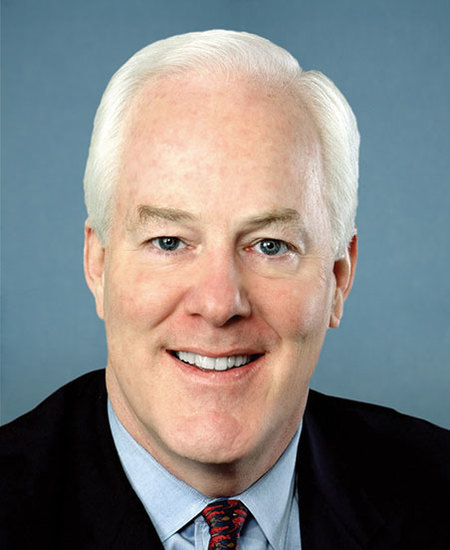
119th Congress Introduced by John Cornyn and 1 co-sponsor

The bill would discount FHA single-family mortgage insurance premiums for first-time buyers who complete HUD-approved financial literacy counseling.

Introduced in Senate
0
WeVote Research Nonpartisan
Bill Summary · S 4861

Summary of Bill S. 4861 (119th Congress)

Purpose and intent

  • S. 4861 proposes to require the Secretary of Housing and Urban Development (HUD) to discount the U.S. Department of Housing and Urban Development (HUD) insured single-family mortgage insurance premium (MIP) payments for first-time homebuyers who complete a specified financial literacy housing counseling program.
  • The overarching goal is to improve homeownership outcomes for first-time buyers by linking financial education to more affordable mortgage insurance costs.

Key provisions and changes

  • Discount mechanism: For first-time homebuyers who complete the HUD-approved financial literacy housing counseling program, HUD must discount the mortgage insurance premium (MIP) payments associated with FHA single-family loans. The bill prescribes a discount or reduction to the ongoing MIP obligation, though the precise discount rate or formula is not fully specified in the summary available.
  • Eligibility: The discount applies specifically to first-time homebuyers who participate in and complete the HUD-endorsed financial literacy housing counseling program before or during the mortgage process.
  • Program requirements: The bill would require HUD to designate or maintain an approved financial literacy housing counseling program and ensure the counseling aligns with goals of responsible homeownership, budgeting, and understanding mortgage obligations.
  • Administration and implementation: HUD would be responsible for implementing the discount, including establishing administrative processes, eligibility verification, and ensuring compliance with program rules.

Who would be affected

  • Primary beneficiaries: First-time homebuyers who obtain FHA single-family mortgage insurance and complete the HUD-approved financial literacy housing counseling program.
  • Stakeholders: Homebuyers seeking FHA financing, HUD, the Federal Housing Administration (FHA) within HUD, housing counseling organizations, and lenders participating in FHA mortgage programs.
  • Possible indirect effects: Lenders and housing counselors may experience increased demand for counseling services; borrowers may experience lower monthly MIP costs, improving affordability and potentially affecting mortgage approval dynamics.

Procedural and timeline aspects

  • Action history: The bill was introduced and read twice, then referred to the Senate Committee on Banking, Housing, and Urban Affairs on June 23, 2026.
  • Sponsors: Co-sponsors include Senators John Cornyn and Gary Peters.
  • Next steps (typical legislative path): If advanced by the committee, the bill would proceed to debate on the Senate floor, potential amendments, and negotiations with the House if comparable legislation exists. Passage and signature (or veto) would determine final enactment.
  • Effective date: The summary does not specify an effective date; typically, if enacted, the bill would include a provision outlining when the discount takes effect after enactment or after publishing regulatory guidance.

Potential impacts and considerations

  • Financial impact: The discounted MIP would reduce the long-term cost of FHA loans for eligible first-time buyers, potentially increasing affordability and homeownership rates among this group.
  • Administrative considerations: HUD would need to define and verify counseling completion, prevent abuse, and establish funding or budgetary adjustments to support the discount mechanism.
  • Equity and access: The policy aims to promote financial literacy and responsible borrowing, potentially reducing default risk by improving borrower preparedness.

If you’d like, I can compare this bill to existing FHA MIP policies or provide a brief estimate of how discount amounts could affect a representative loan scenario.

Compiled from official sources — confirm details with the bill’s official record.

Sign in to ask a question.