

WeVote

Bill

Bill

S 5327

A bill to require the Secretary of Health and Human Services to conduct a study on suicide risk factors faced by construction workers, and for other purposes.

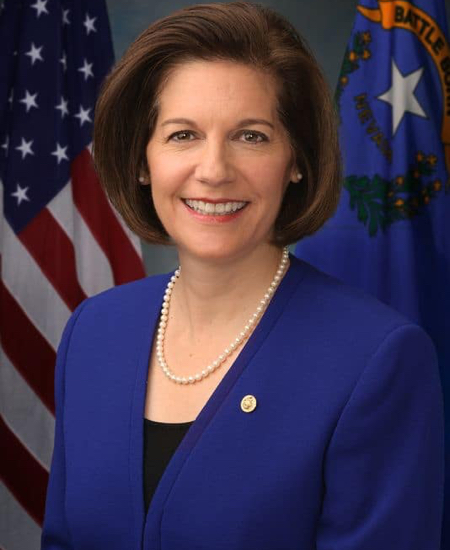
119th Congress Introduced by Catherine Cortez Masto and 4 co-sponsors

A study by HHS would identify suicide risk factors among construction workers to inform targeted prevention and improved access to mental health services.

Introduced in Senate
0
WeVote Research Nonpartisan
Bill Summary · S 5327

Summary of Bill: S.5327 (119th Congress)

Purpose

S.5327 is a bill that would require the Secretary of Health and Human Services (HHS) to conduct a study on suicide risk factors specifically faced by construction workers. The aim is to identify factors contributing to suicide risk within this high-risk occupation and to inform potential future policy or programmatic responses.

Key Provisions

  • Study Mandate: The primary requirement is for the Secretary of HHS to carry out a formal study analyzing suicide risk factors among construction workers. The bill outlines that the study should identify contributors to suicide risk, which may include mental health conditions, workplace stressors, access to care, stigma, and other relevant determinants.
  • Scope of Analysis: While the exact methodology is not detailed in the summary, the study is expected to examine demographic, occupational, and environmental factors pertinent to construction workers, and to consider existing data sources and gaps.
  • Reporting and Recommendations: The bill envisions that the study would culminate in findings and potentially recommendations for improving prevention, screening, access to mental health services, and other interventions tailored to the construction workforce.
  • Authorization/Implementation Details: The bill assigns responsibility to HHS for carrying out and possibly coordinating the study, though specific timelines, budgets, and reporting formats are not provided in the available summary.

Affected Parties

  • Construction Workers: The primary population of interest; individuals working in construction are directly studied for risk factors and outcomes.
  • Healthcare/Public Health Stakeholders: HHS, as the principal conducting agency, along with federal health researchers and policymakers who may use findings to shape programs.
  • General Public Health Policy Sphere: Lessons learned could inform broader suicide prevention strategies and occupational health initiatives beyond construction.

Procedural and Timeline Aspects

  • Introduction and Sponsorship: Introduced in the Senate and referred to the Committee on Health, Education, Labor, and Pensions on August 6, 2026.
  • Co-Sponsors: The bill has notable bipartisan co-sponsors, including Mark Warner, Jeanne Shaheen, Mark Kelly, John Hickenlooper, and Catherine Cortez Masto, indicating cross-chamber support.
  • Next Steps: As a committee-referred measure, progress would involve committee hearings, potential amendments, and floor consideration. The summary provided does not include a specific timeline for completion of the study or reporting deadlines.

Additional Context

  • The bill focuses on a specific occupational group with documented elevated risks for mental health challenges and suicide in some sectors, aiming to generate targeted, evidence-based insights that could inform prevention and access to care strategies within the construction industry.

If you’d like, I can add potential implementation considerations (such as data sources, privacy considerations, and how findings could inform federal or state programs) or compare this bill to similar prior legislation.

Compiled from official sources — confirm details with the bill’s official record.

Sign in to ask a question.