

WeVote

Bill

Bill

S 5333

Advancing American Wi-Fi Against Foreign Adversaries Act

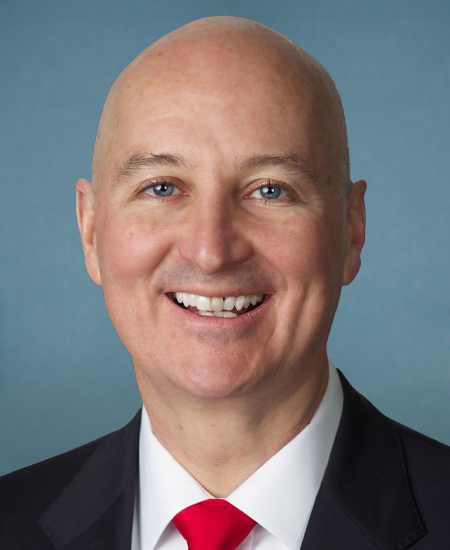
119th Congress Introduced by Pete Ricketts and 1 co-sponsor

The bill requires the Secretary of Commerce to create a national plan to advance Wi‑Fi and unlicensed spectrum technologies, guiding advocacy, policy actions, and implementation.

Introduced in Senate
0
WeVote Research Nonpartisan
Bill Summary · S 5333

Summary of Bill: S. 5333 (119th Congress) – Plan to Advance Wi-Fi and Unlicensed Technologies

Purpose and intent

  • The bill requires the Secretary of Commerce, acting through the Assistant Secretary of Commerce for Communications and Information, to develop a comprehensive plan for how the United States will advance and advocate for Wi‑Fi and other unlicensed spectrum technologies.
  • The overarching goal is to strengthen U.S. leadership, innovation, and access to high‑quality wireless services by promoting unlicensed spectrum use and related technologies.

Key provisions and changes proposed

  • Duty to develop a plan: The Secretary must prepare a national plan detailing strategies to advance Wi‑Fi and unlicensed technologies. The plan should outline objectives, actions, timelines, and performance metrics.
  • Advocacy and implementation: The plan is intended to guide federal advocacy and policy actions to support the deployment, development, and adoption of unlicensed spectrum technologies.
  • Focus areas likely to be addressed (based on typical scope of such plans):
    • Spectrum management and allocation for unlicensed bands (e.g., 2.4 GHz, 5 GHz, and other bands used by Wi‑Fi and similar technologies)
    • R&D and innovation support for unlicensed technologies
    • Infrastructure deployment and access (including broadband and public networks)
    • International coordination and trade implications related to unlicensed spectrum
    • Standards, interoperability, security, and consumer protection considerations
    • Workforce development and public‑private partnerships
  • Reporting and timeline structure: Although the text provided does not specify, bills of this nature generally require periodic updates or a final plan within a defined timeframe, along with potential milestones and review mechanisms.

Who and what is affected

  • Federal agency role: The Department of Commerce, via the Assistant Secretary of Commerce for Communications and Information, would oversee the development of the plan.
  • Stakeholders likely impacted include:
    • Wi‑Fi technology developers, manufacturers, and service providers
    • Consumers and communities relying on Wi‑Fi and unlicensed wireless services
    • Other federal agencies involved in spectrum policy, telecommunications, and public safety
    • International partners and standards bodies engaged in unlicensed spectrum issues
  • Procedural impact: The bill would create a requirement for a formal plan to be produced and presumably submitted to Congress or used to guide policy actions, influencing future regulatory and funding priorities.

Procedural and timeline considerations

  • Introduction and referral: Introduced in the Senate and referred to the Committee on Commerce, Science, and Transportation on August 6, 2026.
  • Sponsor and co‑sponsors: Primary sponsor not listed in the provided text; current co‑sponsors are Pete Ricketts and Jacky Rosen.
  • Next steps: Committee consideration, potential amendments, and a floor vote. If enacted, the Secretary would be obligated to develop and implement the plan according to statutory directives, potentially with deadlines for milestones or final submission.

Potential impact and context

  • Strategic positioning: By formalizing a national plan for unlicensed technologies, the bill aims to publicize and coordinate federal efforts to maintain U.S. leadership in wireless innovation.
  • Economic and connectivity implications: Enhanced support for Wi‑Fi and unlicensed technologies could affect broadband access, rural connectivity, and the cost and reliability of wireless networks.
  • Regulatory clarity: The plan could provide clearer guidance for industry investment and for other federal agencies coordinating on spectrum policy.

Note: The summary above reflects the information available from the bill’s title and action history. If enacted, the bill would be complemented by specific legislative language detailing the plan’s contents, deadlines, and implementation mechanisms.

Compiled from official sources — confirm details with the bill’s official record.

Sign in to ask a question.