

WeVote

Bill

Bill

S 4923

A bill to require the Secretary of Agriculture, in coordination with the Director of the Bureau of the Census, to establish an interagency food security measurement program, and for other purposes.

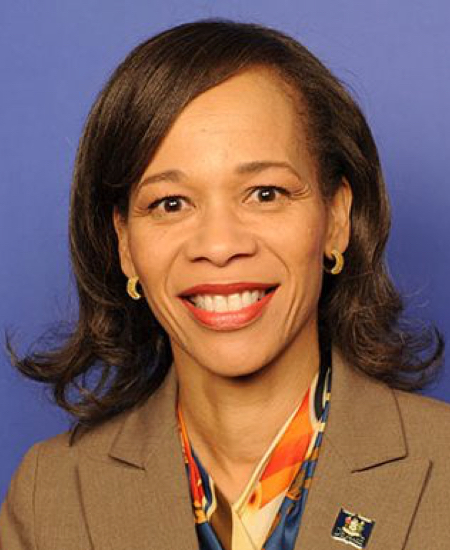
119th Congress Introduced by Lisa Blunt Rochester

Creates an interagency program between USDA and Census to standardize metrics and regularly report nationwide food security status and trends.

Introduced in Senate
0
WeVote Research Nonpartisan
Bill Summary · S 4923

Summary of Bill: S. 4923 (119th Congress)

Purpose and intent

S. 4923 would require federal coordination to establish an interagency food security measurement program. Specifically, it directs the Secretaries responsible for agriculture and census data collection to collaborate in designing and implementing a program to assess and monitor food security across the United States. The bill aims to create standardized metrics and regular reporting to better understand who is experiencing food insecurity, trends over time, and the effectiveness of federal nutrition and assistance programs.

Key provisions and changes

  • Establishment of an interagency program: The Secretary of Agriculture, in coordination with the Director of the Bureau of the Census, must establish a formal interagency food security measurement program.
  • Interagency coordination: The program requires ongoing collaboration between the Department of Agriculture (USDA) and the Census Bureau, potentially involving other relevant federal entities as the bill envisions.
  • Development of measurement methodology: The program is tasked with developing standardized definitions, indicators, and data collection methodologies to quantify food security status, vulnerabilities, and related outcomes.
  • Data integration and reporting: The initiative would consolidate data sources (likely including agricultural, nutrition, income, and demographic data) to produce regular reports or dashboards on national and, potentially, regional food security conditions.
  • Transparency and accessibility: Outputs are expected to be shared with policymakers, researchers, and the public to inform policy design and evaluation.
  • Possible program governance elements: The bill may outline roles for lead agencies, advisory bodies, data privacy considerations, and timelines for milestones and annual reporting, though specific governance details are not provided in the summary available.

Who/what would be affected

  • Federal agencies: Primarily USDA (Secretary) and the Census Bureau (Director) would take primary responsibility for establishing and operating the measurement program.
  • Policy and program outcomes: Federal nutrition programs (e.g., SNAP, WIC, school nutrition) could be evaluated against standardized measures of food insecurity and related indicators, influencing funding decisions and policy adjustments.
  • Researchers and the public: Consolidated, standardized data and periodic reports would be more readily available for analysis and public oversight.

Procedural and timeline aspects

  • Introduction and referral: The bill was introduced in the Senate and read twice, then referred to the Committee on Homeland Security and Governmental Affairs (as of June 24, 2026).
  • Sponsor information: Co-sponsored by Senator Lisa Blunt Rochester.
  • Next steps in process: If advanced, the committee would review, potentially amend, and vote on the bill before sending it to the full Senate for consideration. Passage in the Senate would then require reconciliation with any House versions (if applicable) and final enactment.

Notes for readers

  • The bill sets forth a high-level mandate to create a coordinated framework for measuring food security rather than stipulating highly specific metrics in its current form. The precise indicators, data sources, privacy protections, funding, and implementation timeline would be fleshed out in subsequent legislative text or committee amendments.
  • The focus on interagency collaboration underscores an emphasis on standardized, nationwide data to inform policy decisions targeting food insecurity and related outcomes.

Compiled from official sources — confirm details with the bill’s official record.

Sign in to ask a question.