

WeVote

Bill

Bill

S 5313

A bill to require the Federal Energy Regulatory Commission to consider cybersecurity risks from quantum computers, and for other purposes.

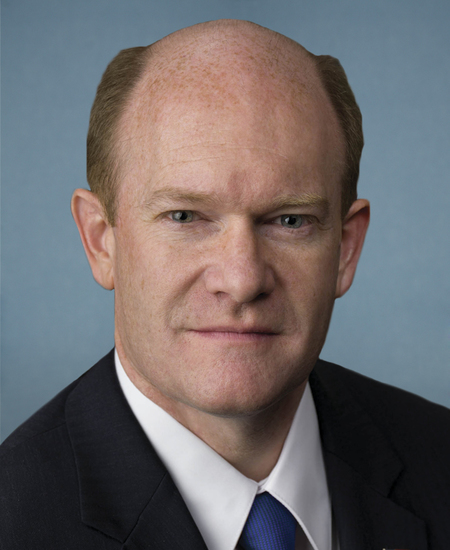
119th Congress Introduced by Chris Coons and 1 co-sponsor

FERC must assess quantum computing cybersecurity risks and integrate them into energy regulation, standards, and grid reliability planning.

Introduced in Senate
0
WeVote Research Nonpartisan
Bill Summary · S 5313

Summary of Bill: S.5313 (119th Congress)

Purpose and intent

  • The bill would require the Federal Energy Regulatory Commission (FERC) to address cybersecurity risks posed by quantum computing in its considerations, actions, and policymaking.
  • Overall aim: ensure that energy infrastructure regulation and reliability planning account for potential quantum-enabled cyber threats, particularly to critical electric and energy systems.

Key provisions and changes

  • Mandate for FERC action: The bill directs FERC to assess cybersecurity risks associated with quantum computers and to incorporate these risks into its regulatory framework.
  • Risk assessment requirements: FERC would need to evaluate how quantum computing could impact encryption, data integrity, and real-time grid operations, and identify vulnerabilities in energy infrastructure and interdependent systems.
  • Policy and standards considerations: The bill is likely to require FERC to consider adopting or referencing standards, best practices, or timelines related to quantum-resistant cryptography and other quantum safety measures.
  • Planning and reliability: FERC would be expected to integrate quantum cybersecurity considerations into its permitting, reliability, and grid resilience initiatives, potentially informing North American Electric Reliability Corporation (NERC) standards and regional transmission organization (RTO) planning where relevant.
  • Interagency and stakeholder engagement: The bill implies coordination with other federal agencies and stakeholders to address quantum risk, though specific mechanisms (e.g., reporting, rulemaking timelines) are not detailed in the provided summary.

Who or what would be affected

  • Primary agency: Federal Energy Regulatory Commission (FERC) would be responsible for performing the cybersecurity risk assessment and incorporating findings into regulatory actions.
  • Energy sector stakeholders: Electric utilities, grid operators, market participants, and infrastructure owners would be affected indirectly through updated regulatory expectations, risk assessments, and potential security standards.
  • Related regulators and standards bodies: Possible implications for NERC, regional transmission organizations (RTOs), and entities that rely on federal standards for cyber resilience.

Procedural and timeline aspects

  • Introduction and referral: The bill was introduced in the Senate and referred to the Committee on Energy and Natural Resources on August 6, 2026.
  • Sponsorship: Co-sponsored by Senators Mike Rounds and Chris Coons.
  • Action status: Read twice and referred to committee; no further floor action details are provided in the summary.

Practical impact and considerations

  • Security posture: By foregrounding quantum cybersecurity, the bill could accelerate consideration of quantum-resistant cryptography and other forward-looking protections within energy regulation.
  • Regulatory burden: Utilities and grid operators may face new assessment and compliance expectations, potentially involving periodic risk reviews and updates to cybersecurity plans.
  • Timelines: The bill as described does not specify explicit deadlines, milestones, or a rulemaking schedule; implementation would depend on FERC’s regulatory processes following committee action.

If you’d like, I can tailor this summary to emphasize potential cost implications, timeline projections, or crosswalk with existing quantum-resilience initiatives in the energy sector.

Compiled from official sources — confirm details with the bill’s official record.

Sign in to ask a question.