

WeVote

Bill

Bill

S 4845

Protect Our Polls Act

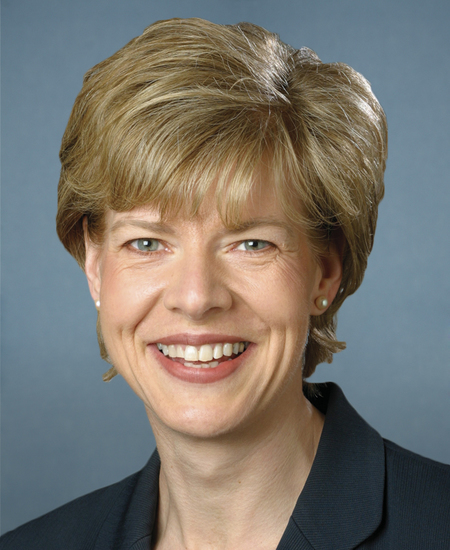
119th Congress Introduced by Tammy Baldwin and 9 co-sponsors

Requires explicit Congressional authorization for any deployment of troops or armed individuals at polling places, replacing executive discretion with legislative approval.

Introduced in Senate
0
WeVote Research Nonpartisan
Bill Summary · S 4845

Summary of Bill S. 4845 (119th Congress)

Purpose and intent

  • The bill seeks to require explicit Congressional authorization for the deployment of troops or armed individuals at polling places, establishing an explicit exception in the United States Code. The stated goal is to regulate and constrain the presence of armed personnel at polling locations, ensuring any deployment is subject to formal Congressional approval rather than executive discretion alone.

Key provisions and changes

  • Explicit Congressional Approval: The central provision requires that any deployment of military personnel or armed individuals to polling places must be authorized by Congress. This creates a formal legislative check on when armed presence can occur at polling sites.
  • Narrowing of Exceptions: The bill appears to designate the current (or new) exception to the general rule as the only permissible scenario in which troops or armed men can be at polling places, with the rest requiring Congress authorization.
  • Potential statutory changes: The text would modify the relevant provisions of the United States Code to codify the requirement for congressional approval and define the scope, processes, and limitations accompanying such authorization.
  • Oversight and process: While not detailed in the summary provided, such bills typically include provisions around reporting, oversight, and potential sunset or review mechanisms for any authorized deployments.

Who or what would be affected

  • Federal government actors: The Executive Branch would be constrained, as deployment of troops or armed personnel to polling places would require explicit Congressional authorization.
  • Congress: Increased role in approving or denying deployments to polling places; potential for hearings, votes, and defined timelines for action.
  • Election administration: States and local election officials would be affected in terms of planning and security arrangements at polling sites, needing to await or obtain federal authorization for armed presence.
  • Voters and polling place operations: Voter experience could be influenced by whether and when armed personnel are allowed at polling sites, with implications for safety, accessibility, and perceived security.

Procedural and timeline aspects

  • Introduction and referral: The bill was introduced in the Senate and referred to the Committee on the Judiciary on June 18, 2026.
  • Sponsorship: Notable co-sponsors include Ruben Gallego, Amy Klobuchar, Jacky Rosen, Mark Kelly, Raphael Warnock, Tammy Baldwin, Elissa Slotkin, and Alex Padilla, signaling bipartisan and high-profile support.
  • Likely next steps (not specified in the provided text): Committee consideration, potential amendments, floor debate and votes in the Senate, and possible passage to the House or conference committee, depending on subsequent legislative action.

Additional context and considerations

  • Policy rationale: The bill addresses concerns about armed presence at polling locations and seeks to ensure legislative accountability and oversight for any such deployments.
  • Public impact: Depending on implementation, the bill could affect voter security perceptions, emergency response planning, and the independence of local election administration.
  • Legal interpretation: The change would alter the interpretation and application of existing provisions regarding armed personnel at polling places, potentially creating a new standard for authorization.

If you’d like, I can pull the exact text and provide a line-by-line analysis of the provisions, or compare this bill to current law and similar prior proposals.

Compiled from official sources — confirm details with the bill’s official record.

Sign in to ask a question.