

WeVote

Bill

Bill

S 5155

A bill to require employers seeking a permanent labor certification classification for the hiring of foreign workers to pay a fee of at least $10,000, and for other purposes.

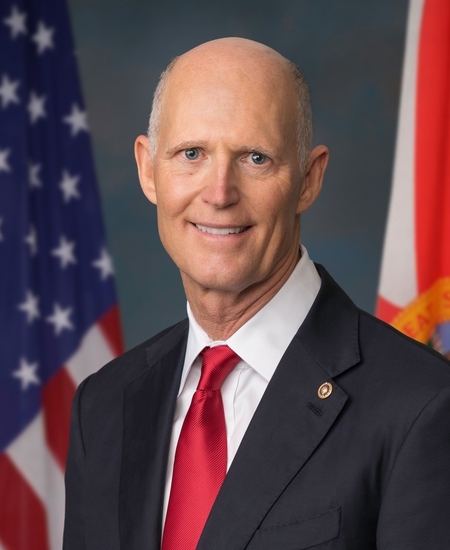
119th Congress Introduced by Rick Scott

The bill would require employers seeking permanent labor certification for hiring foreign workers to pay a mandatory minimum fee of $10,000.

Introduced in Senate
0
WeVote Research Nonpartisan
Bill Summary · S 5155

Bill Overview

S. 5155 (Session 119) is a proposed federal bill that would require employers seeking a permanent labor certification classification for hiring foreign workers to pay a minimum fee of $10,000. The measure is introduced in the Senate and currently referred to the Committee on Health, Education, Labor, and Pensions. A co-sponsor is Senator Rick Scott.

Purpose and Intent

  • The primary goal of the bill is to impose a substantial upfront fee on employers pursuing permanent labor certification for foreign workers.
  • The underlying rationale, as reflected by the fee requirement, appears to be to fund the labor certification process, deter frivolous or non-critical applications, and potentially offset administrative costs or broader program funding. The bill does not specify how the revenue would be used beyond the general aim of supporting the program, but the stated action is to collect at least $10,000 per qualifying employer request.

Key Provisions

  • Fee Requirement: Employers seeking a permanent labor certification classification for the hiring of foreign workers must pay a minimum fee of $10,000.
  • Scope of Fee: The provision applies specifically to the process of obtaining a permanent labor certification classification. It does not mention fees for other visa or immigration processes, nor does it specify tiered fee structures or caps beyond the stated minimum.
  • Administrative and Procedural Details: The text provided does not outline detailed procedures for fee collection, exemptions, refunds, or how the fee would be allocated. It also does not specify whether the fee applies per employer, per position, or per application, nor whether there are any waivers or exemptions for certain employers (e.g., small businesses, non-profits, or public agencies).
  • Relationship to Existing Law: The bill would modify the existing framework governing permanent labor certification (commonly associated with programs like the PERM process) by adding the new fee requirement. It does not indicate changes to eligibility criteria, processing timelines, or labor market test requirements within the certification process.

Affected Parties

  • Employers seeking permanent labor certification for foreign workers: The most directly impacted group, as they would bear the new minimum $10,000 fee.
  • Foreign workers targeted by permanent labor certification: They could be affected indirectly, as the cost barrier might influence employer participation, the volume of certifications issued, and ultimately the availability of permanent employment opportunities for foreign workers.
  • Government agencies administering labor certification: Agencies responsible for processing certifications would administer the new fee collection and related administrative tasks, potentially increasing workload and budget considerations.

Procedural and Timeline Notes

  • Introduction and Referral: The bill was introduced and referred on July 28, 2026, to the Senate Committee on Health, Education, Labor, and Pensions.
  • Status: As of the provided information, the bill has not advanced beyond referral to committee. No committee vote, floor passage, or presidential action is indicated.
  • Next Steps: If advanced, the committee would consider, possibly amend, and vote on reporting the bill to the Senate floor. Potential further steps include full Senate consideration, House action, and reconciliation if both chambers pass different versions.

Potential Impacts and Considerations

  • Fiscal Impact: The $10,000 minimum fee would generate additional revenue for the permanent labor certification program, but the bill does not specify how funds would be allocated or whether revenue would be earmarked for particular programs or administrative costs.
  • Access and Equity: A fixed minimum fee could disproportionately affect small employers or those with limited staffing needs, potentially reducing opportunities for foreign workers in certain industries or regions.
  • Administrative Burden: Implementing and enforcing a new fee would require administrative systems changes, including collection mechanisms, tracking, and potential exemptions or waivers (not described in the available text).

Summary

S. 5155 would establish a mandatory minimum fee of $10,000 for employers pursuing permanent labor certification classifications for hiring foreign workers. The bill seeks to bolster funding for the certification program but provides limited detail on fee administration, exemptions, or broader policy changes. It has been introduced and referred to the Senate Health, Education, Labor, and Pensions Committee, with no further progress indicated in the material provided.

Compiled from official sources — confirm details with the bill’s official record.

Sign in to ask a question.