

WeVote

Bill

Bill

S 5272

A bill to recover unclaimed pandemic-era unemployment compensation funds held by financial institutions or escheated to State unclaimed property administrators, and for other purposes.

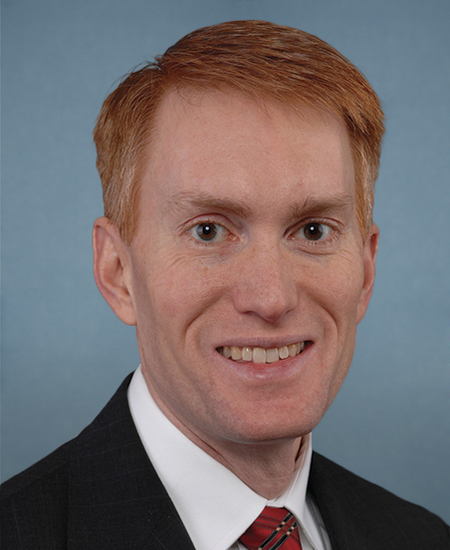
119th Congress Introduced by James Lankford

The bill creates a federal process to locate, reclaim, and redirect unclaimed pandemic-era unemployment funds from banks or state offices back to eligible individuals or federal fu

Introduced in Senate
0
WeVote Research Nonpartisan
Bill Summary · S 5272

Bill Summary: S. 5272 (119th Congress)

Purpose and intent

S. 5272 aims to recover unclaimed pandemic-era unemployment compensation funds that are currently held by financial institutions or have escheated to state unclaimed property administrators. The bill seeks to establish a federal framework and process to reclaim these funds and redirect them as appropriate, with additional provisions “for other purposes” typical of enabling legislation. The sponsoring language indicates a focus on restoring funds to rightful beneficiaries or to the federal/unified Treasury framework as applicable.

Key provisions and changes (highlights)

  • Unclaimed funds recovery: Creates or authorizes mechanisms to locate, identify, and recover unemployment compensation payments made during the pandemic that have not been claimed or have escheated to state unclaimed property programs.
  • Handover/ceding process: Establishes procedures for financial institutions and state unclaimed property offices to collaborate in identifying eligible funds, reporting amounts, and transferring ownership or custody as determined by the bill.
  • Disposition of recovered funds: Specifies how recovered funds should be used or allocated, which may include returning to the original program (unemployment insurance funds), distributing to eligible individuals, or other purposes outlined in the statute.
  • Coordination with existing programs: Likely directs agencies to coordinate with the Department of Labor, the Treasury, or relevant state agencies to verify eligibility, avoid duplicate claims, and ensure compliance with applicable federal/state law.
  • Limitations and safeguards: May include due-diligence requirements, privacy protections, timelines for claim submission, and penalties for improper claims or transfers, aiming to protect beneficiary rights and prevent abuse.
  • Definitions: Clarifies terms such as “unclaimed pandemic-era unemployment compensation,” “financial institutions,” and “escheatment,” to ensure consistent implementation.

Who is affected

  • Unemployment program beneficiaries and potential claimants: Individuals who may be entitled to pandemic-era unemployment benefits that were never claimed or were escheated.
  • Financial institutions: Banks and other entities holding unclaimed funds will participate in identifying and returning funds under the bill’s framework.
  • State unclaimed property offices: State agencies tasked with holding, cataloging, and remitting unclaimed property would implement provisions related to the transfer and reporting of recovered funds.
  • Federal and state agencies: Agencies such as the Department of Labor and Treasury may be involved in administration, verification, and oversight.

Procedural and timeline aspects

  • Introduced and referred: The bill was introduced in the Senate and referred to the Committee on Finance as of August 5, 2026.
  • Next steps in process: As a Finance Committee measure, it would advance through committee markup, potential amendments, and, if reported, proceed to full Senate consideration. If enacted, implementing regulations and timelines would be established to operationalize recovery efforts.

Additional context

  • The bill’s language is currently focused on enabling the recovery and reallocation of funds tied to pandemic-era unemployment programs, leveraging existing financial and state unclaimed property structures. Exact dollar amounts, eligible retroactive payments, and specific allocation formulas would be determined by the final text and any ensuing regulations or amendments.

If you’d like, I can tailor this summary to focus on particular stakeholders (e.g., beneficiaries, banks, or state agencies) or compare it to related prior legislation.

Compiled from official sources — confirm details with the bill’s official record.

Sign in to ask a question.