Overview
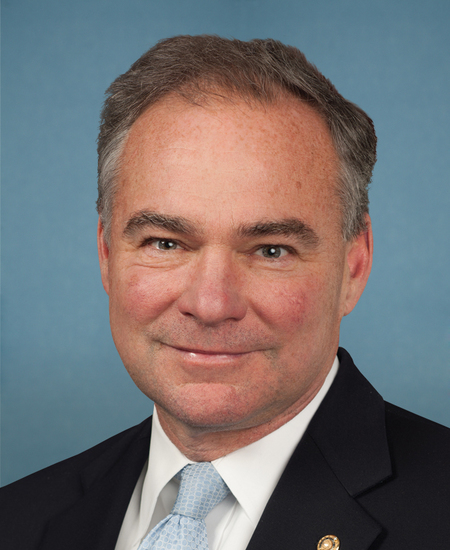
S. 4900, introduced in the 119th Congress and referred to the Senate Committee on Foreign Relations, seeks to reauthorize the North Korean Human Rights Act of 2004 and address related purposes. The bill has co-sponsors Tim Kaine and Dan Sullivan. The action history shows the bill was read twice and referred to the Foreign Relations Committee on June 24, 2026, and introduced the same day.
Purpose and intent
- Reauthorize the North Korean Human Rights Act of 2004 (as amended or extended by prior legislation) to continue U.S. government efforts focused on improving human rights conditions in North Korea.
- Likely aims to support initiatives related to human rights documentation, advocacy, aid, and engagement with international partners, though specifics would be in the text of the bill.
Key provisions and changes (as typically included in reauthorization measures)
While the exact language of S. 4900 is not provided here, reauthorization bills of this type commonly include:
- Authorization of appropriations or continuation of funding for programs under the North Korean Human Rights Act, including grants, research, and reporting activities.
- Authorization for U.S. government agencies (e.g., State Department, U.S. Agency for International Development, and related offices) to implement and monitor human rights programs related to North Korea.
- Requirements for reporting to Congress on North Korean human rights conditions, including documentation of abuses, political prison camps, and restrictions on civil liberties.
- Support for NGOs, researchers, and international partners working on North Korean human rights issues, including evasion of censorship and access to information.
- Provisions for monitoring and assessing the impact of sanctions or policies on human rights, and potential adjustments to strategies accordingly.
- Possible promotion of dialogue or engagement channels with North Korea focused on humanitarian rights issues, while aligning with broader U.S. policy objectives.
Note: The precise provisions, dollar amounts, programmatic allocations, and reporting requirements would be specified in the text of S. 4900.
Who would be affected
- North Korean citizens, particularly efforts aimed at documenting and improving human rights conditions.
- U.S. government agencies implementing foreign policy and human rights programs related to North Korea.
- Non-governmental organizations, researchers, and international partners involved in North Korean human rights work.
- Impoverished or at-risk populations in North Korea who could benefit from humanitarian and rights-focused assistance supported by U.S. programs.
Procedural and timeline aspects
- Introduction and referral: The bill was introduced in the Senate and referred to the Committee on Foreign Relations on June 24, 2026.
- Committee process: Referred to the Foreign Relations Committee for consideration, possible hearings, and markups before advancing to the full Senate.
- Potential amendments: The committee or sponsors may propose amendments to adjust funding levels, scopes of programs, or reporting requirements.
- Enactment timeline: If advanced and passed by both chambers, the bill would proceed to conference (if needed) and be sent to the President for signature or veto. Specific timing would depend on floor action and legislative priorities.
Observations and context
- The bill aligns with ongoing U.S. policy emphasis on North Korean human rights concerns, building on the 2004 act and subsequent related measures.
- The bipartisan sponsorship suggests cross-cutting support for human rights-focused diplomacy and foreign assistance related to North Korea.
For a more precise understanding, the full text of S. 4900 would need to be reviewed to enumerate exact authorizations, programmatic titles, funding figures, reporting deadlines, and any new authorities or restrictions introduced by this reauthorization.