

WeVote

Bill

Bill

S 5256

A bill to provide increased oversight of certain pardons, to clarify the applicability of bribery prohibitions to pardons and commutations, and for other purposes.

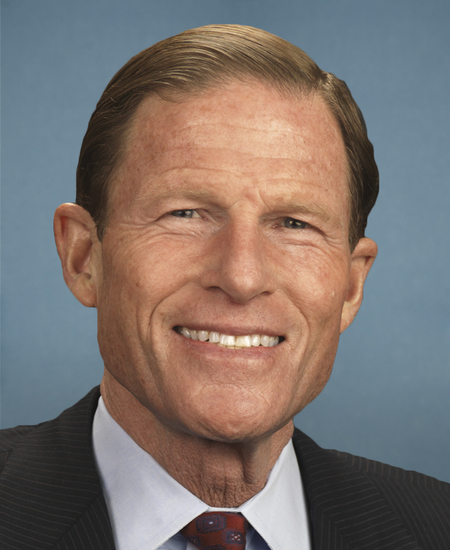
119th Congress Introduced by Richard Blumenthal and 3 co-sponsors

S.5256 would expand oversight of presidential pardons and clarify bribery prohibitions to deter improper influence in clemency decisions.

Introduced in Senate
0
WeVote Research Nonpartisan
Bill Summary · S 5256

Summary of Bill: S. 5256 (Session 119)

Purpose and intent

S. 5256 seeks to enhance federal oversight and accountability surrounding presidential pardons and commutations. The bill aims to clarify how bribery prohibitions apply to pardons and commutations and to expand oversight mechanisms to scrutinize pardon decisions. Key goals include ensuring integrity in the pardon process and reducing opportunities for improper influence.

Key provisions and changes (as described)

  • Increased oversight of pardons: The bill introduces or expands supervisory, reporting, or review requirements related to presidential pardons and commutations. While the exact mechanisms are not detailed in the summary, the aim is to provide greater transparency and external oversight.
  • Bribery prohibitions clarified for pardons/commutations: S. 5256 clarifies the application of bribery prohibitions to the pardon and commutation processes. This seeks to prevent bribery or undue influence in the granting of clemency and to ensure any such actions are prosecutable under applicable anti-bribery statutes.
  • Other purposes: The bill may include additional provisions intended to strengthen checks and balances around clemency decisions and to align pardons with existing federal ethics and anti-corruption standards.

Who is affected

  • Individuals seeking or receiving pardons/commutations: The mechanisms for oversight and potential prosecutorial scrutiny could affect the process and perception of clemency decisions.
  • Federal executive branch processes: Agencies and offices involved in pardons (historically the Office of the Pardon Attorney in the Department of Justice) may be subject to new reporting, oversight, or procedural requirements.
  • Public and oversight bodies: The bill’s provisions are likely to increase transparency for lawmakers, watchdog groups, and the public, enabling greater visibility into pardon decisions.

Procedural and timeline aspects

  • Introduced and referred: The bill was introduced in the Senate and referred to the Committee on the Judiciary on August 5, 2026.
  • Status in committee: As of the latest action, it has been read twice and referred to the Judiciary Committee, indicating formal consideration and potential amendments or hearings to shape its final text before floor action.
  • Sponsor information: The bill has several co-sponsors, including:
    • Mazie Hirono
    • Catherine Cortez Masto
    • Adam Schiff
    • Richard Blumenthal

Potential impact and considerations

  • If enacted, S. 5256 could modify the procedural framework and ethics context for presidential clemency, potentially increasing the rigor of decision-making and the likelihood of external reviews or investigations into pardons.
  • The clarification of bribery prohibitions could strengthen enforcement against misconduct related to clemency decisions.
  • The actual operational details (e.g., specific reporting requirements, thresholds for oversight, or how the bribery provisions would be integrated with existing statutes) will depend on the text as developed in committee and any subsequent amendments.

If you’d like, I can tailor this summary to a specific audience (policy advocates, legal practitioners, or general readers) or extract any additional details from the bill’s full text once available.

Compiled from official sources — confirm details with the bill’s official record.

Sign in to ask a question.