

WeVote

Bill

Bill

S 4921

A bill to provide for the implementation of a system of licensing for purchasers of certain firearms and for a record of sale system for those firearms, and for other purposes.

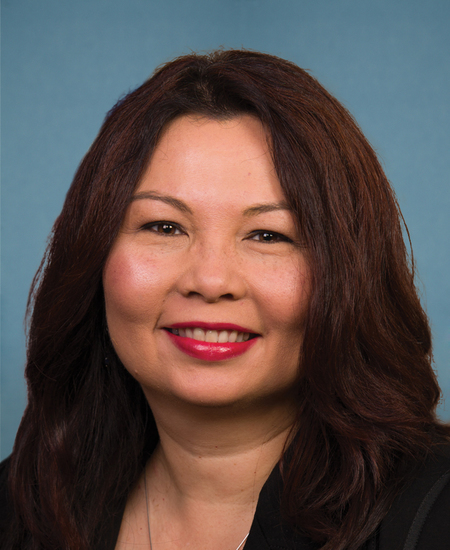
119th Congress Introduced by Tammy Duckworth

The bill would require firearm purchasers to obtain a license and create a federal record-of-sale system to track and regulate sales of certain firearms.

Introduced in Senate
0
WeVote Research Nonpartisan
Bill Summary · S 4921

Bill overview

  • Name and purpose: S 4921, introduced in the Senate during the 119th Congress, seeks to establish a licensing system for purchasers of certain firearms and create a federal record-of-sale system for those firearms, along with additional related provisions.
  • Status: Read twice and referred to the Senate Committee on the Judiciary on June 24, 2026. Introduced in the Senate on the same date. Co-sponsor: Senator Tammy Duckworth.

Main purpose and intent

  • Create a regulatory framework requiring individuals who purchase certain firearms to obtain a license prior to purchase.
  • Establish a federal record-of-sale system for these firearms to track transactions and maintain records of ownership and transfers.
  • The broader aim is to enhance firearm compliance, background check processes, and accountability for firearm purchases, improving public safety and information availability for enforcement and investigative purposes.

Key provisions and changes (anticipated elements based on the title and typical structure)

  • Licensing system for purchasers:
    • Establish eligibility criteria to obtain a firearm purchaser license.
    • Define application procedures, including required information, background checks, and potential fingerprinting or enhanced screening.
    • Specify license validity period and renewal requirements.
    • Outline grounds for license denial or revocation (e.g., prohibitions under federal law, previous firearm offenses, or other disqualifying factors).
    • Prohibit or regulate firearm purchases by individuals without a valid license.
  • Record-of-sale system:
    • Create or expand a federal database to record sales of the specified firearms.
    • Require submission of sale information by licensed dealers or other responsible entities.
    • Allow access by law enforcement and relevant agencies for investigative and regulatory purposes.
    • Set retention periods and privacy/security safeguards for records.
  • Scope of firearms and transactions:
    • Identify the classes of firearms subject to licensing and record-keeping (e.g., handguns, semi-automatic rifles, or other specified categories), along with any exemptions (e.g., transfers between certain entities or possession-based exemptions).
  • Enforcement and compliance:
    • Establish penalties for illegal possession, sale, or attempt to circumvent the licensing or record-keeping requirements.
    • Specify enforcement mechanisms, including inspections, audits, or penalties for noncompliance by dealers or individuals.
  • Administrative and funding provisions:
    • Outline roles for federal agencies (e.g., Department of Justice, FBI, ATF) in program administration, background checks, licensing determinations, and record maintenance.
    • Provide funding authorizations or appropriations to implement the licensing and record-keeping system, including software, personnel, and security measures.
  • Privacy, civil liberties, and due process:
    • Include provisions to protect sensitive personal information and ensure due process in licensing decisions (e.g., notice and appeal procedures).

Who would be affected

  • Firearm purchasers who must obtain a license to buy the covered firearms.
  • Federal firearms dealers and potentially other transfer agents responsible for reporting sales to the record-of-sale system.
  • Law enforcement and federal agencies tasked with administering background checks, licensing, and maintaining the record database.
  • Individuals subject to disqualification criteria (e.g., previous offenses, prohibitions under federal/state law) who would be ineligible for a license.
  • Private parties involved in transfers of the specified firearms, subject to license verification and reporting requirements.

Procedural and timeline considerations

  • Current status: Introduced and referred to the Judiciary Committee; no floor actions or markups listed in the provided history.
  • Next steps (typical for similar measures):
    • Committee hearings and markups to draft and amend the bill’s language.
    • Votes in the Senate committee and subsequently in the full Senate.
    • Potential reconciliation with any companion House bill or passage through both chambers before any presidential action.
  • Effective dates:
    • The bill would specify when licensing and record-keeping requirements take effect (e.g., a phased rollout or a fixed compliance date), with interim rules for implementation.
    • Transition provisions may address ongoing firearms purchases during the lead-up to full implementation.

Notes

  • The summary reflects the bill’s stated objective to license firearm purchasers and create a federal record-of-sale system, consistent with the title and typical legislative structure for such measures.
  • Specific details (e.g., exact firearm categories, licensing criteria, renewal periods, fees, privacy protections) would be defined in the bill text and any accompanying committee report.

Compiled from official sources — confirm details with the bill’s official record.

Sign in to ask a question.