

WeVote

Bill

Bill

S 5345

A bill to provide for the delivery of artificial intelligence functional bills of materials, and for other purposes.

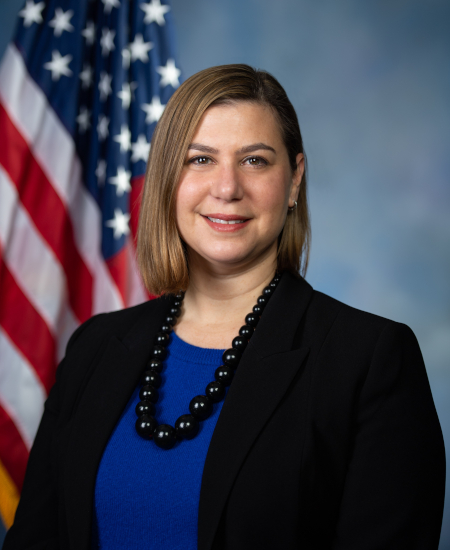
119th Congress Introduced by Elissa Slotkin

Requires delivery of functional AI bills of materials for federal AI systems to ensure transparency, provenance, and security across defense-related deployments.

Introduced in Senate
0
WeVote Research Nonpartisan
Bill Summary · S 5345

Bill summary: S. 5345 (119th Congress)

Purpose and intent

S. 5345 is a bill introduced in the United States Senate with a stated aim to “provide for the delivery of artificial intelligence functional bills of materials, and for other purposes.” While the title centers on AI-related bills of materials (BoMs), the available summary does not include the full text, so the description below synthesizes what can be inferred from the title, sponsor, and standard legislative framing. The bill appears to address the creation and delivery of functional BoMs for artificial intelligence systems, potentially to support transparency, safety, interoperability, and accountability in AI deployments used by the federal government or defense sectors.

Key provisions and changes (as implied)

  • Delivery of AI functional BoMs: Establishes requirements or processes for producing functional bills of materials for AI systems. A functional BoM typically itemizes components, software, data sources, models, and interfaces necessary to operate an AI system safely and traceably.
  • Scope and applicability: Likely applies to AI systems that fall under federal programs, with emphasis on defense or national security contexts given the sponsor’s background and committee assignment to Armed Services.
  • Transparency and traceability: By mandating BoMs, the bill could mandate documentation of:
    • Software and model components (e.g., versions, provenance)
    • Data used for training and validation (including sources and licensing)
    • Interfaces, dependencies, and interoperability considerations
    • Security, safety, and compliance controls
  • Governance and oversight: The bill may establish standards, reporting requirements, or review processes to ensure BoMs are maintained, updated, and available to appropriate authorities.
  • Other purposes: The clause “and for other purposes” suggests potential ancillary provisions related to AI governance, acquisition, or procurement practices, including how BoMs influence contracting or lifecycle management.

Who is affected

  • Federal entities involved with AI: Agencies and departments developing, procuring, or deploying AI systems, particularly those connected to national security or defense (e.g., Department of Defense, other armed services-related offices).
  • AI vendors and contractors: Companies that supply AI software, models, data pipelines, or integrated AI solutions to the federal government would need to provide and maintain BoMs.
  • Procurement and compliance personnel: Officials responsible for vetting AI systems, contract compliance, and safeguarding government information may gain new reporting and documentation requirements.

Procedural and timeline aspects

  • Introduced and referred: The bill was introduced in the Senate and referred on August 6, 2026 to the Committee on Armed Services, indicating its initial stage and the committee’s jurisdiction.
  • Read twice: The action history shows it advanced to “Read twice,” a standard step in advancing a bill before committee consideration. The legislative timeline will depend on committee action, potential amendments, and floor consideration.
  • Sponsor and co-sponsor: Primary sponsor and a co-sponsor (Elissa Slotkin) suggest bipartisan interest, likely reflecting concerns about AI governance in defense contexts.

Notes and considerations

  • The exact statutory text, definitions (e.g., what constitutes a “functional BoM”), and enforcement mechanisms are not provided here. The practical impact will hinge on:
    • Specific BoM content requirements (components, data provenance, security controls)
    • Timing and phased implementation
    • Exemptions or carve-outs (e.g., sensitive intelligence, national security constraints)
    • Penalties or remedies for noncompliance
  • As a new bill, it would undergo committee hearings, potential amendments, and floor votes which could shape its final form and feasibility.

If the full text or additional summaries become available, I can update this with precise section-by-section mappings and concrete requirements.

Compiled from official sources — confirm details with the bill’s official record.

Sign in to ask a question.