
Bill
Sponsor avatar

BILL • US SENATE

S 4607

A bill to provide for Department of Defense and Department of Agriculture joint research and development activities, and for other purposes.

119th Congress
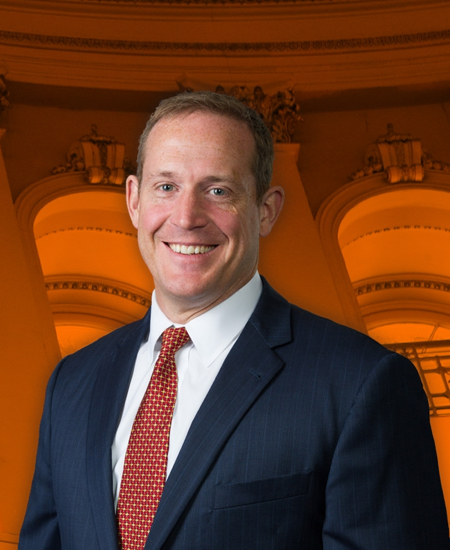
Introduced by Jim Banks, Ted Budd,

DoD and USDA would jointly fund and manage research and development programs to advance defense and agricultural innovation, enhancing security and supply resilience.

Introduced in Senate
0
0
Bill Summary · S 4607

Summary of Bill: S. 4607 (119th Congress) – joint DoD and USDA research and development activities

Purpose and intent

  • The bill is framed to authorize and organize joint research and development activities between the Department of Defense (DoD) and the Department of Agriculture (USDA).
  • Its overarching aim appears to be fostering collaboration between national defense interests and agricultural innovation, potentially addressing supply chain resilience, biosecurity, and technologyevelopment that spans military and civilian agricultural applications.

Key provisions and changes (highlights)

  • Establishment of DoD–USDA joint activities: Creates or authorizes programs, offices, or initiatives that coordinate research and development (R&D) efforts across the two departments.
  • Scope of R&D focus: While the exact research areas are not enumerated in the available summary, typical joint DoD–USDA initiatives cover topics such as:
    • Food and agricultural security for defense and civilian use
    • Biotechnology, biosurveillance, and biosecurity
    • Advanced agriculture technologies (e.g., precision agriculture, supply chain robustness)
    • Environmental and energy efficiency innovations relevant to both departments
  • Funding and resources: The bill would authorize funding mechanisms, grant programs, partnerships with national labs, universities, and private industry, and may outline annual appropriation limits or ceiling amounts for joint projects.
  • Governance and oversight: Likely provisions to establish interagency coordination, reporting requirements, and program accountability to Congress.
  • Compatibility with existing authorities: The bill would be designed to operate within current DoD and USDA statutory frameworks, possibly clarifying authorities for joint research, data sharing, and procurement processes.

Who or what would be affected

  • Federal agencies:
    • Department of Defense: Enhanced collaboration on R&D with a civilian department
    • Department of Agriculture: Participation as a primary partner in joint initiatives
  • Research institutions and industry:
    • Universities, national laboratories, and private sector companies could participate as partners, contractors, or grant recipients.
  • National security and agricultural sectors:
    • Potential benefits to defense readiness and agricultural resilience, including supply chain security, food security for military and civilian use, and cross-cutting technologies with dual-use applications.

Procedural and timeline aspects

  • Introduction and referral:
    • Introduced in the Senate and read twice
    • Referred to the Senate Committee on Armed Services
  • Sponsor information:
    • Co-sponsors: Senator Ted Budd and Senator Jim Banks
  • Next steps (typical for such bills):
    • Committee hearings, markup, and potential amendments
    • Floor consideration in the Senate, then reconciliation with any companion House measure (if applicable)
    • Passage, then presidential action or veto considerations

Notes and considerations

  • The summary is based on the bill’s title and stated action history. Specific statutory language would detail exact authorities, limits, and procedures.
  • The bill’s impact will depend on the final text, including defined program scopes, funding levels, reporting requirements, and any sunset or renewal provisions.

Hi! I'm your AI assistant for S 4607. I can help you understand its provisions, impacts, and answer any questions.

Key Provisions Impacts Timeline
Sign in to chat

Start the Conversation

Be the first to share your thoughts on this petition. Your voice matters!

Share your opinion above