

WeVote

Bill

Bill

S 4632

Prevent Government Shutdowns Act of 2026

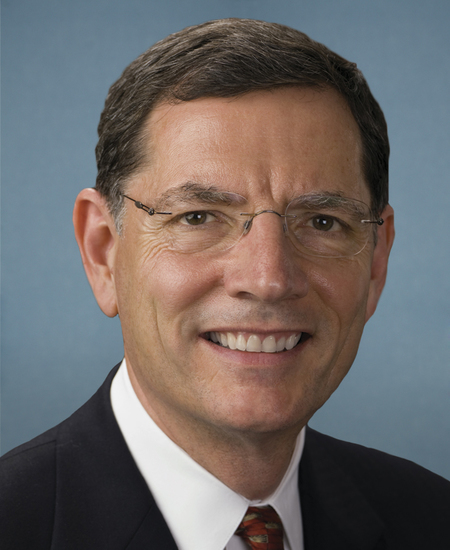
119th Congress Introduced by John Barrasso and 19 co-sponsors

Provides a framework for continuing funding during gaps in appropriations to prevent shutdowns and outline steps, consequences, and scope of a lapse.

Read the second time. Placed on Senate Legislative Calendar under General Orders. Calendar No. 424.
0
WeVote Research Nonpartisan
Bill Summary · S 4632

Overview

Senate Bill S. 4632 (Session 119) proposes a framework for managing appropriations when the normal process fails or experiences a lapse. It creates a period of continuing appropriations, establishes procedures and consequences if appropriations are not enacted, and addresses other related fiscal and procedural matters.

Main purpose and intent

  • Provide stability during funding gaps: Establish a mechanism to maintain government operations for a defined period if Congress does not enact regular appropriations.
  • Define consequences and processes: Create clear procedural steps and potential consequences when there is a failure to enact appropriations, aiming to limit disruptions and guide executive and legislative actions during a lapse.
  • Address “other purposes”: Include additional related provisions to support the overall function and management of the federal appropriations process during abnormal circumstances.

Key provisions and changes

  • Continuing appropriations period: In the event of a lapse or delay in the normal appropriations process, the bill would authorize or direct a period of continuing funding at specified levels to prevent immediate shutdowns or service interruptions.
  • Procedures for failures to enact: The bill would lay out specific steps for identifying, notifying, and responding to a failure to enact appropriations, potentially including timelines, reporting requirements, and decision points for Congress and the executive branch.
  • Consequences and accountability: Provisions likely address what happens if continuing appropriations are insufficient or if there is non-compliance with the continued funding framework, potentially including targeted delays, restrictions, or triggers for returning to regular appropriations.
  • Scope and applicability: The bill would specify which federal programs, agencies, or activities are covered by the continuing appropriations framework and any exemptions or special rules.
  • Related fiscal governance: May include accompanying requirements related to budget enforcement, reporting to Congress, and transparency measures during a lapse.

Who would be affected

  • Federal agencies and programs: Agencies operating under the federal budget would be affected by any period of continuing appropriations and the associated funding mechanisms.
  • Government employees and contractors: Continued operations could impact staffing levels, pay, and contracting arrangements during a lapse.
  • Congress and the Executive Branch: The bill outlines procedural steps, notifications, and decision points that would involve both chambers of Congress and the President or the executive agencies.
  • Taxpayers and stakeholders relying on federal programs: People and entities relying on federal services would be affected by the continuity and potential delays or changes in program implementation during a lapse.

Procedural and timeline aspects

  • Introduction and sponsorship: Introduced in the Senate on May 21, 2026. A list of bipartisan co-sponsors is attached, indicating cross-chamber and cross-ideological support.
  • Legislative scheduling: As of June 1, 2026, the bill is on the Senate Legislative Calendar under General Orders (Calendar No. 424) after its second reading, indicating advancement toward potential floor consideration.
  • Timing implications: While the exact duration of any continuing appropriations period and the timelines for triggering procedures are not specified here, the bill emphasizes defined periods and procedural milestones to avoid ad hoc funding gaps.
  • Next steps (if enacted): If advanced and enacted, agencies would implement the continuing appropriations mechanism, followed by any transition back to regular appropriations once the normal process resumes or is completed.

Notes

  • The summary reflects the described purpose and likely content based on the title and action history. The bill text would provide precise numeric thresholds (e.g., duration of continuing appropriations, specific funding levels, and trigger conditions) and any exemptions or special rules.
  • Given its bipartisan sponsorship and placement on the Senate calendar, the bill signals an intent to formalize a safety net for federal funding gaps and to establish clearer accountability during budget lapses.

Compiled from official sources — confirm details with the bill’s official record.

Sign in to ask a question.