

WeVote

Bill

Bill

S 5284

A bill to provide economic empowerment opportunities in the United States through the modernization of public housing, and for other purposes.

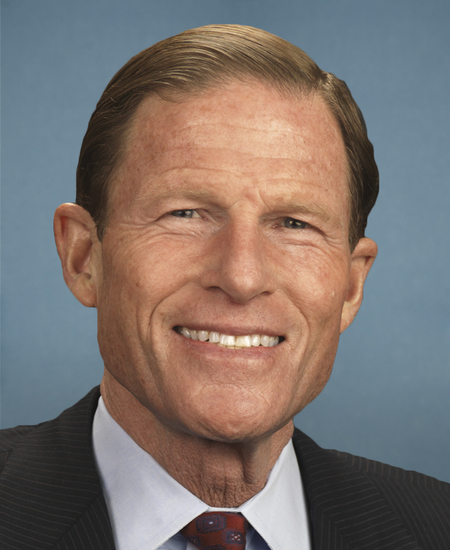
119th Congress Introduced by Richard Blumenthal and 6 co-sponsors

The bill aims to modernize public housing to boost resident economic empowerment, housing quality, and neighborhood opportunities.

Introduced in Senate
0
WeVote Research Nonpartisan
Bill Summary · S 5284

Overview

S. 5284 (119th Congress) is a Senate bill titled: “A bill to provide economic empowerment opportunities in the United States through the modernization of public housing, and for other purposes.” It was introduced and read twice before being referred to the Committee on Banking, Housing, and Urban Affairs on August 6, 2026. The bill has multiple bipartisan co-sponsors, including Ed Markey, Cory Booker, Richard Blumenthal, Peter Welch, Jeff Merkley, Alex Padilla, and Bernie Sanders.

Main purpose and intent

  • The primary aim is to advance economic empowerment for residents and communities by modernizing public housing in the United States.
  • The modernization efforts are intended to create pathways to improved housing quality, increased resident self-sufficiency, and broader economic opportunities stemming from the upgraded housing stock and related community investments.

Key provisions and changes (subject to committee drafting and final text)

While the exact text of provisions is not provided in the summary, the bill’s title and context imply several core areas typically associated with housing modernization and economic empowerment programs:

  • Public housing modernization: Funding and authorities to upgrade public housing units and related infrastructure (e.g., energy efficiency, safety, accessibility, resilience to natural hazards).
  • Economic empowerment mechanisms: Provisions to tie modernization efforts to resident and local economic opportunities, potentially including job creation, contractor diversity, workforce training, and resident engagement requirements.
  • Community revitalization: Approaches to leverage public housing improvements to stimulate surrounding neighborhoods—supporting small business development, local hiring, and neighborhood services.
  • Funding and administration: Potential creation or allocation of federal funds, grants, or loan programs managed by HUD or related agencies, with oversight and accountability measures.
  • Federal-state-local coordination: Frameworks to coordinate improvement efforts among federal, state, and local governments, housing authorities, and community organizations.

Note: The exact sections, programs, funding levels, and performance metrics would be detailed in the bill’s full text once enacted.

Who would be affected

  • Public housing residents and their households: direct beneficiaries through improved housing conditions, enhanced services, and access to economic opportunities.
  • Public housing authorities and property owners: responsible for implementing modernization projects, meeting compliance requirements, and/or coordinating with contractors and residents.
  • Local labor markets and small businesses: potential opportunities through construction work, contract opportunities, apprenticeships, and community revitalization initiatives.
  • Communities surrounding public housing developments: broader economic and social impacts from neighborhood investments and improved infrastructure.

Procedural and timeline aspects

  • Introduction and referral: The bill was introduced and referred to the Senate Committee on Banking, Housing, and Urban Affairs on August 6, 2026.
  • Committee process: As of the latest action, it has been referred to the committee, where it would undergo hearings, amendments, and vote recommendations before potentially moving to the Senate floor.
  • Next steps for passage: If reported out of committee favorably, the bill would proceed to full Senate consideration, then potentially to a conference with the House (if applicable) and ultimately to the President for signature or veto.

Potential impacts and considerations

  • Economic impact: By modernizing public housing and embedding economic empowerment elements, the bill could stimulate construction activity, local job creation, and capacity-building among residents and small businesses.
  • Housing policy implications: Could influence standards for public housing modernization, energy efficiency, resilience, and accessibility.
  • Equity and inclusion: Emphasizes resident engagement and opportunities, aligning with broader aims to reduce disparities in housing quality and economic opportunity.
  • Fiscal and accountability considerations: Funding, oversight, reporting requirements, and performance metrics would determine long-term effectiveness and fiscal impact.

If you’d like, I can tailor this summary to focus on specific provisions once the bill’s text becomes available, or compare it to existing public housing modernization programs and similar empowerment initiatives.

Compiled from official sources — confirm details with the bill’s official record.

Sign in to ask a question.