

WeVote

Bill

Bill

S 4660

A bill to provide appropriations to the Secretary of Agriculture to make payments to producers of specialty crops.

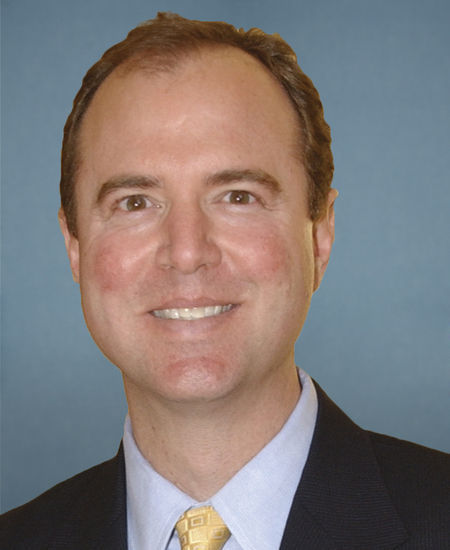
119th Congress Introduced by Adam Schiff

The bill authorizes federal funding for payments to specialty crop producers through the USDA to help them weather challenges and sustain agricultural activity.

Introduced in Senate
0
WeVote Research Nonpartisan
Bill Summary · S 4660

Summary of Bill: S.4660 (119th Congress)

Purpose and Intent

  • The bill authorizes appropriations to the Secretary of Agriculture to make payments to producers of specialty crops.
  • Its primary aim is to provide financial support to specialty crop producers, helping them weather market or production challenges and maintain ongoing agricultural activity.

Key Provisions and Changes

  • Funding Authorization: Allocates federal appropriations to the Secretary of Agriculture specifically for payments to specialty crop producers. The exact funding amounts and allocation mechanisms would be defined in the text of the bill (not provided here), but the bill establishes a dedicated appropriation for these payments.
  • Recipient Eligibility: Establishes criteria for which producers of specialty crops qualify for payments. This typically involves definitions of “specialty crops” (e.g., fruits, vegetables, nuts, and certain plant-based products) and may include eligibility standards such as production scale, geographic eligibility, or demonstration of economic need. The precise qualifications would be detailed in the bill.
  • Payment Mechanics: Outlines how payments are calculated and disbursed (e.g., payment rates, caps per producer, calculation methodology, and timelines for distribution). It may specify whether payments are direct price supports, revenue-based, or based on other eligible loss or hardship factors.
  • Administering Agency: Designates the Department of Agriculture (USDA) as the agency responsible for administering the program, including application processing, verification, and payment issuance.
  • Oversight and Reporting: Likely includes reporting requirements to Congress and mechanisms for oversight to ensure proper use of funds, prevent fraud, and assess program effectiveness. This may involve annual or periodic reporting on reach, amounts paid, and impact on specialty crop producers.
  • Relation to Other Programs: The bill may reference existing USDA programs or cross-reference eligibility with related initiatives (e.g., disaster assistance, price support programs, or crop insurance divisions) to avoid duplication and ensure coherence with current agricultural policy.

Affected Parties

  • Primary Beneficiaries: Producers of specialty crops who meet the bill’s eligibility criteria and qualify for payments under the new appropriation.
  • Agricultural Industry Partners: Industry groups, cooperatives, and distributors involved in the specialty crop sector may be indirectly affected by changes in producer financial stability and market dynamics.
  • USDA and State Agencies: Federal and potentially state-level agricultural agencies involved in administering the program, processing applications, and distributing funds.

Procedural and Timeline Aspects

  • Introduction and Referral: Introduced in the Senate and referred to the Committee on Agriculture, Nutrition, and Forestry (as of the latest action).
  • Action History: The most recent actions indicate a standard legislative path: introduction, committee consideration, and potential subsequent floor consideration or amendments.
  • Sponsors: Primary sponsor is a Republican senator (as per the record), with a co-sponsor listed as Adam Schiff. The existence of a co-sponsor can influence early support and advocacy but does not determine final passage.

Notes

  • The summary reflects the bill’s stated purpose to provide appropriations for payments to specialty crop producers. Specific numerical appropriations, eligibility details, payment formulas, and administrative processes would be detailed in the full bill text and accompanying summaries.
  • For a complete understanding, review the bill’s sections on funding amounts, eligibility definitions, payment calculations, and reporting requirements once publicly available.

Compiled from official sources — confirm details with the bill’s official record.

Sign in to ask a question.