
WeVote

Bill

Bill

S 4677

SUSTAIN Act

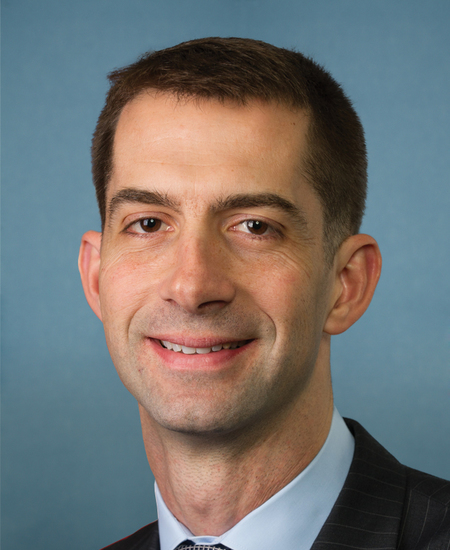
119th Congress Introduced by Tom Cotton and 3 co-sponsors

Prohibits reducing MQ-9 aircraft units, preserving current MQ-9 force structure and readiness within the Air Force.

Introduced in Senate
0
WeVote Research Nonpartisan
Bill Summary · S 4677

Summary of Bill S.4677 (119th Congress)

Purpose and intent

  • The bill aims to prohibit certain reductions to MQ-9 aircraft units and related activities. Specifically, it seeks to restrict or prevent cuts to MQ-9 Reaper drone units, indicating a focus on preserving or safeguarding existing MQ-9 capacity within the armed forces.
  • The title suggests the prohibition would be a core provision, with other related purposes attached.

Key provisions and changes

  • Prohibition on reductions: The central provision would prohibit reductions to MQ-9 aircraft units. While the exact language is not provided here, the intent is to prevent downward changes to unit counts, readiness, or deployment capability related to MQ-9 assets.
  • Potential ancillary provisions: Bills of this type often include clarifications on funding or authorization requirements to ensure that approved MQ-9 units are not subject to typical basing, modernization, or restructuring actions that would reduce their numbers. They may also address related personnel, maintenance, and logistics implications to sustain MQ-9 readiness.
  • Scope and definitions: The bill would likely define what constitutes a “reduction” (e.g., in unit count, aircraft procurement, or basing changes) and specify the affected platforms and commands (e.g., Air Force, component units).

Who/what would be affected

  • Primary beneficiaries: The U.S. Air Force or involved DoD components operating MQ-9 Reaper units, as well as personnel assigned to those units (aircrews, maintenance, support staff).
  • Broader impact: If the prohibition constrains force structure adjustments, it could affect planning flexibility for modernization, basing decisions, or reallocation of resources across the Air Force’s unmanned aircraft fleet.

Procedural and timeline aspects

  • Introduction and referral: The bill was introduced in the Senate and referred to the Committee on Armed Services on June 3, 2026. This places the bill in the standard legislative track for defense matters.
  • Committee process: As of the latest action, the bill has been read twice and referred to committee. The committee would typically review, may hold hearings, and could mark up or amend the bill before sending it to the full Senate.
  • Sponsor context: The bill lists several co-sponsors, including Mark Kelly, Tom Cotton, Ted Cruz, and Elissa Slotkin, indicating bipartisan interest and support from representatives across the political spectrum.

Notes and considerations

  • The summary above reflects the bill’s stated intent to prohibit reductions to MQ-9 units. Specific text would clarify:
    • The exact language defining prohibited actions (e.g., minimum unit counts, basing protections, or funding constraints).
    • Any phased implementation timeline or exemptions (e.g., for emergencies or reorganization required for force modernization).
    • Financial implications, including whether protections apply to current-year budgets or require multiyear funding.
  • Without the full text, key details such as enforcement mechanisms, penalties for noncompliance, or oversight provisions are not certain.

If you’d like, I can tailor this summary to a particular audience (policymakers, defense analysts, or the general public) or incorporate the bill’s exact text once available.

Compiled from official sources — confirm details with the bill’s official record.

Sign in to ask a question.
