Summary of Bill: S. 4356 (119th Congress) – “A bill to protect Moms and babies against climate change, and for other purposes.”
Note: The information below reflects the bill as introduced and any publicly available action history up to the latest provided date. If the bill’s text has been amended, consult the official Congress.gov text for precise provisions.
Purpose and Intent
- The bill is titled to focus on safeguarding maternal and infant health in the context of climate change.
- Its core aim is to address health risks associated with climate-related factors (e.g., heat exposure, air pollution, extreme weather) that can impact pregnant individuals, new mothers, and babies.
- It seeks to advance protective measures, preventative health investments, and corresponding research to reduce climate-related health disparities affecting mothers and infants.
Key Provisions and Changes (as introduced)
Note: The exact statutory language can vary by the final text; the summary below reflects the central themes typically associated with this title. For precise sections and statutory changes, please consult the bill’s text.
- Maternal and Infant Health Focus: Provisions aimed at reducing climate-related health risks for pregnant people and newborns, including during heat waves, poor air quality days, and other extreme weather events.
- Air Quality and Pollution Mitigation: Potential measures to address air pollutants that disproportionately affect pregnant individuals, such as particulate matter, ozone, and other climate-linked pollutants.
- Heat Stress Protection: Strategies to protect pregnant people and infants from heat exposure, which may include guidelines, public safety measures, and funding for cooling centers or workplace protections.
- Public Health Infrastructure Investment: Increased funding or authorization for health departments and maternal-child health programs to incorporate climate resilience, surveillance, and response capabilities.
- Research and Data: Support for research on climate change and maternal-infant health outcomes, including data collection, monitoring, and dissemination of best practices.
- Education and Outreach: Public health communication efforts to inform pregnant individuals, families, and healthcare providers about climate-related risks and protective actions.
- Interagency Collaboration: Mechanisms for coordination among health, housing, environmental, and labor agencies to address climate-related risks to mothers and babies.
- Equity Considerations: Attention to disproportionately affected populations (e.g., low-income, communities of color, rural communities) to reduce disparities in climate-related health outcomes.
Who Would Be Affected
- Pregnant Individuals and New Parents: Direct beneficiaries through protections, guidance, and access to resources addressing climate-related health risks.
- Infants and Newborns: Indirect beneficiaries via improved maternal-infant health supports.
- Public Health Agencies: State and federal health departments that would implement programs, surveillance, and response activities.
- Healthcare Providers: Medical professionals and clinics serving pregnant people and infants; potential guidance and funding to support climate-resilient care.
- Communities with Environmental Burdens: Populations in areas with higher exposure to heat, air pollution, or extreme weather may see targeted protections and resources.
Procedural and Timeline Aspects
- Introduction and Referral: The bill was introduced in the Senate and referred on April 21, 2026, to the Senate Committee on Health, Education, Labor, and Pensions (HELP) for consideration and markup.
- Committee Process: The HELP Committee would review, hold hearings, and potentially amend the bill before reporting it to the full Senate.
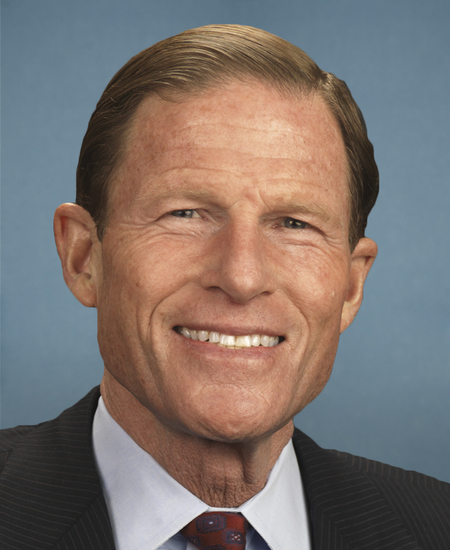
- Sponsor and Co-Sponsors: Primary sponsor and at least three notable co-sponsors include Richard Blumenthal, Ed Markey, and Cory Booker, signaling active bicameral interest in climate-health protection for mothers and babies.
- Next Steps: If reported out of committee, the bill could be brought to the Senate floor for debate and voting. A companion measure in the House would influence overall passage and reconciliation opportunities.
Potential Impact and Considerations
- Public Health Resource Allocation: May unlock federal funding or authorize programs to bolster climate resilience in maternal-child health.
- Policy Synergy: Could complement existing maternal health, environmental, and labor protections by integrating climate considerations.
- Measurement and Accountability: Emphasis on data collection and reporting may improve tracking of climate-related health outcomes among mothers and infants.
- Equity Focus: Provisions likely to address disparities, aligning with broader federal priorities to protect vulnerable populations from climate risks.
If you would like, I can:
- Provide a side-by-side comparison with related existing statutes or prior climate-health bills.
- Outline potential amendments commonly proposed during HELP Committee consideration.
- Summarize the full text once available for a line-by-line breakdown.