

WeVote

Bill

Bill

S 4800

Land of the Free Act of 2026

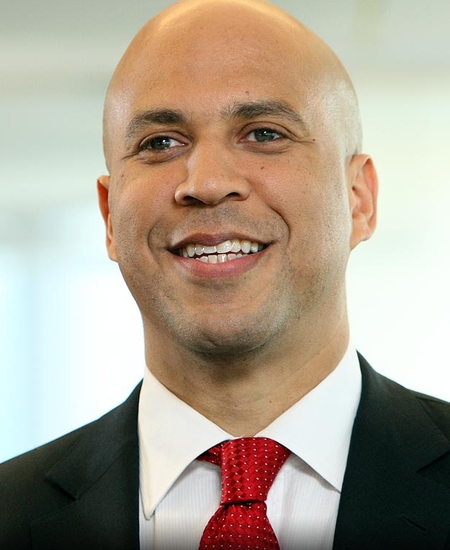
119th Congress Introduced by Cory Booker and 10 co-sponsors

The bill repeals the deportability ground in INA 237(a)(4)(C), removing removal based on believed serious adverse foreign policy effects of speech or activity.

Introduced in Senate
0
WeVote Research Nonpartisan
Bill Summary · S 4800

Summary of Bill: S. 4800 (119th Congress)

Purpose and intent

  • S. 4800 aims to protect free speech by repealing the deportability ground under section 237(a)(4)(C) of the Immigration and Nationality Act (INA).
  • Specifically, it would remove the provision that makes certain aliens deportable if their presence or activities in the United States are “reasonably believed to have serious adverse foreign policy consequences.”

Key provisions and changes

  • Repeal of grounds for deportability: The bill would eliminate INA § 237(a)(4)(C), which currently allows immigration authorities to deport noncitizens whose presence or activities are believed to have serious adverse foreign policy consequences.
  • Effect on removal framework: By repealing this ground, the legal basis for deporting individuals on the sole claim of “serious adverse foreign policy consequences” tied to free speech-related activity would be removed. Other deportability grounds in INA § 237(a) remain unaffected unless expressly amended.
  • No new immigration status or protections: The summary does not indicate the creation of new status, pathways to relief, or protections beyond the repeal of the specific deportability ground. Other visa, asylum, or removal procedures would continue under existing law.

Who would be affected

  • Noncitizens currently subject to deportation under INA § 237(a)(4)(C) on the grounds related to free speech or activities believed to have serious adverse foreign policy consequences.
  • Immigration enforcement agencies and courts that correspondingly rely on the presence of that ground for removal decisions.
  • Advocates and communities concerned with free speech protections, as the repeal directly targets a basis used to deport individuals for speech-related activities.

Procedural and timeline aspects

  • Status: Introduced in the Senate and referred to the Judiciary Committee on June 16, 2026; “Read twice and referred” indicates early-stage consideration.
  • Legislative path: As a Senate bill, it would need committee action, potential floor consideration, and coordination with the House of Representatives for passage and then signature by the President (or veto override) to become law.
  • Co-sponsors: The bill has a broad slate of Democratic senators as co-sponsors, including Lisa Blunt Rochester, Elizabeth Warren, Chris Van Hollen, Chris Coons, Dick Durbin, Bernie Sanders, Ed Markey, Adam Schiff, Cory Booker, Mazie Hirono, and Alex Padilla.

Practical impact and considerations

  • Immigration policy effect: Removes a formal deportation trigger tied to speech or activities deemed to threaten foreign policy interests, potentially reducing deportation risk for individuals whose presence is tied to such claims.
  • Civil liberties angle: Aligns with free-speech protections by eliminating a grounds that could penalize individuals for expressive conduct or advocacy.
  • Implementation: Any changes would require adjustments in enforcement guidelines and judicial review standards related to INA § 237(a)(4)(C) determinations.

If you’d like, I can add a section comparing this bill to current law, potential court-impact analyses, or provide a timeline projection based on typical Senate processing.

Compiled from official sources — confirm details with the bill’s official record.

Sign in to ask a question.