

WeVote

Bill

Bill

S 4427

Heat Workforce Standards Act of 2026

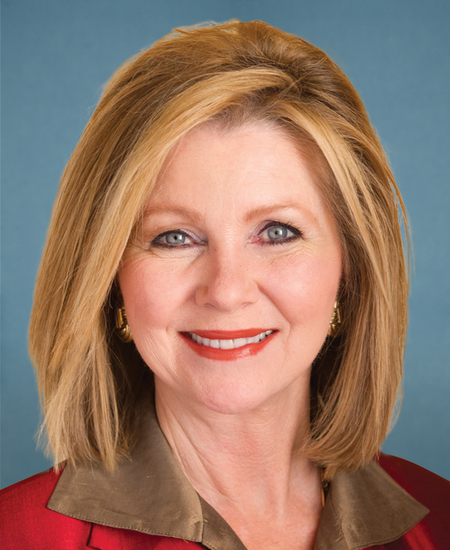
119th Congress Introduced by Marsha Blackburn and 9 co-sponsors

Prohibits the Secretary of Labor from finalizing, implementing, or enforcing any proposed federal heat injury and illness prevention standard.

Introduced in Senate
0
WeVote Research Nonpartisan
Bill Summary · S 4427

Summary: S. 4427 (119th Congress) – Prohibit finalizing/implementing a heat injury and illness prevention standard

Purpose and intent

  • The bill, titled “A bill to prohibit the Secretary of Labor from finalizing, implementing, or enforcing a proposed standard with respect to heat injury and illness prevention, and for other purposes,” seeks to block the U.S. Secretary of Labor from moving forward with a proposed federal standard addressing heat injury and illness prevention.
  • In essence, it acts as a preemption/temporary halt to any final rule or enforcement related to a heat-related illness prevention standard that may be proposed by the Department of Labor (DOL), specifically its occupational safety and health programs (OSHA).

Key provisions (what the bill would do)

  • Prohibition on finalizing a heat injury and illness prevention standard: The Secretary of Labor would be barred from finalizing any proposed federal rule concerning heat injury and illness prevention.
  • Prohibition on implementing or enforcing the proposed standard: The Secretary would also be barred from implementing or enforcing such a standard once a draft or proposed rule has reached a stage that would ordinarily lead to final rule status.
  • The bill’s language focuses on “finalizing, implementing, or enforcing” the proposed standard, indicating a blocking mechanism beyond mere consideration or proposed rulemaking.
  • The text provided does not specify additional compliance timelines, wage, or health provisions, but the core effect is the stop-work on a federal heat-prevention standard.

Who/what would be affected

  • U.S. Department of Labor, specifically the Occupational Safety and Health Administration (OSHA) or any agency proposing a federal heat exposure/heat injury prevention standard.
  • Employers and workers who would have been subject to a federal heat standard, including sectors operating in hot environments where heat exposure risks are significant (e.g., construction, agriculture, outdoor manufacturing, warehousing, and other outdoor or non-climate-controlled workplaces).
  • States and jurisdictions that rely on federal OSHA standards for coverage or that align state plans with federal rules could experience a delay or modification in any federal action related to heat standards.

Procedural and timeline aspects

  • Introduction and status: S. 4427 was introduced in the Senate and referred to the Committee on Health, Education, Labor, and Pensions on April 29, 2026.
  • Co-sponsors: The bill has multiple co-sponsors, indicating congressional support for halting a proposed heat standard (including Tommy Tuberville, Thom Tillis, Ted Budd, Steve Daines, Bill Cassidy, Mike Crapo, John Cornyn, Tim Sheehy, and Jim Risch).
  • Next steps (if enacted): If passed by both chambers and signed into law, the bill would effectively prohibit the Secretary of Labor from finalizing or enforcing a heat-related standard, barring any subsequent legislative changes or amendments to override the prohibition.
  • Without enactment, the normal rulemaking process for a proposed heat prevention standard would continue, including potential notice-and-comment rulemaking, publication of a proposed rule, public feedback, and eventual finalization or withdrawal.

Potential impact (high-level)

  • Regulatory certainty: The bill provides a legislative shield against the advancement of a federal heat injury prevention standard in the near term.
  • Employer flexibility: Employers may face fewer federal compliance requirements specifically tied to a standardized heat-prevention rule, though other general workplace safety regulations would still apply.
  • Worker safety considerations: Critics may argue the prohibition delays protective standards for workers in hot environments; supporters may argue it prevents burdensome federal regulation and preserves state or industry-led approaches.
  • Federal-state dynamics: Depending on existing state plans and federal preemption, state-determined heat safety measures may become more prominent or remain unchanged.

If you’d like, I can compare this bill to existing OSHA initiatives or outline potential state-level implications and alternative protections that could emerge in the absence of a federal heat standard.

Compiled from official sources — confirm details with the bill’s official record.

Sign in to ask a question.