

WeVote

Bill

Bill

S 3961

A bill to prohibit solicitation by institutional investors after a major disaster, and for other purposes.

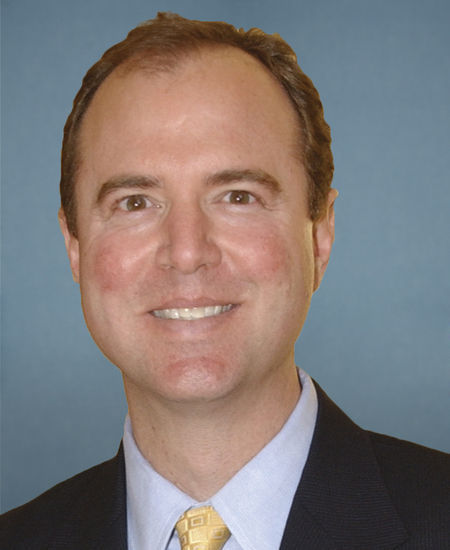
119th Congress Introduced by Adam Schiff

Bill prohibits institutional investors from soliciting disaster-affected property owners for a set period after major disasters to prevent exploitative land acquisition.

Introduced in Senate
0
WeVote Research Nonpartisan
Bill Summary · S 3961

Legislative bill overview

S 3961 prohibits institutional investors from soliciting properties or businesses from disaster victims during a specified period following major disasters. The bill aims to prevent predatory acquisition practices that exploit property owners facing financial hardship in the immediate aftermath of catastrophic events.

Why is this important

Disaster survivors often face pressure to sell properties quickly at below-market rates due to immediate financial needs, insurance delays, or displacement stress. Institutional investors have historically capitalized on these vulnerabilities to acquire real estate at significant discounts, displacing long-term residents and altering community composition. This bill seeks to protect disaster victims from exploitative transactions during their most vulnerable period.

Potential points of contention

  • Definition and scope: The bill's effectiveness depends on how "solicitation" is defined and whether it covers indirect acquisition tactics, social media outreach, or only direct contact
  • Enforcement challenges: Determining violations and prosecuting institutional investors operating through shell companies or third parties may prove difficult
  • Duration of protection: The unspecified length of the solicitation prohibition period could either be too short to provide meaningful protection or too long to restrict legitimate market activity
  • Unintended consequences: Restricting buyer activity might reduce liquidity for sellers who want quick cash sales, potentially lowering property values and limiting options for disaster victims
  • Constitutional concerns: First Amendment and commerce clause questions about restricting commercial speech may arise during legal challenges

Compiled from official sources — confirm details with the bill’s official record.

Sign in to ask a question.