
WeVote

Bill

Bill

S 4426

STOP Act

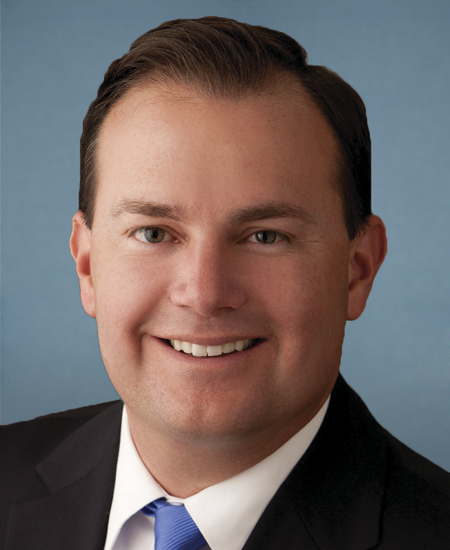
119th Congress Introduced by Mike Lee and 1 co-sponsor

Prohibits gender transition procedures for minors and authorizes civil penalties on providers who perform them.

Introduced in Senate
0
WeVote Research Nonpartisan
Bill Summary · S 4426

Summary of Bill: S. 4426 (119th Congress)

Title: A bill to prohibit gender transition procedures on minors, to authorize the Secretary of Health and Human Services to impose civil penalties on persons who perform gender transition procedures on minors, and for other purposes.

Purpose and intent

  • The bill seeks to prohibit gender transition procedures for individuals under the age of 18.
  • It authorizes the Secretary of Health and Human Services to impose civil penalties on persons who perform gender transition procedures on minors.
  • The overall aim is to restrict access to gender-affirming medical interventions for minors and establish enforcement mechanisms to penalize providers who perform such procedures.

Key provisions and changes (as described in the bill text and summary)

  • Prohibition of gender transition procedures for minors:
    • The bill would ban medical interventions typically associated with gender transition for individuals under 18. This may encompass procedures such as hormonal therapies and surgical interventions, depending on the bill’s defined scope.
  • Civil penalties on providers:
    • The Secretary of Health and Human Services would be empowered to impose civil penalties on persons who perform gender transition procedures on minors.
    • Penalty mechanisms could include fines and related enforcement actions to deter noncompliant activities.
  • Scope and definitions:
    • The bill would define terms related to “gender transition procedures” and “minors” to determine who is covered.
    • It may specify exemptions or carve-outs (for example, emergency medical situations), though such details would be in the full text.
  • Enforcement and oversight:
    • The bill designates federal enforcement through the Department of Health and Human Services (HHS), including procedures for penalties, compliance, and potential waivers or appeals.

Who/what would be affected

  • Minors (individuals under 18) would be protected from receiving gender transition procedures under the prohibitions.
  • Medical providers, clinics, hospitals, and other organizations that perform gender transition procedures on minors would be subject to civil penalties if found in violation.
  • Other health care professionals who facilitate or refer minors for such procedures could be implicated, depending on the bill’s definitions and enforcement language.
  • States and localities would be affected to the extent that the bill preempts or supersedes state laws/regulations, or requires reporting and enforcement at the federal level.

Procedural and timeline aspects

  • Introduction and referral:
    • Introduced in the Senate and referred to the Committee on Health, Education, Labor, and Pensions on April 29, 2026.
  • Sponsorship:
    • Co-sponsors include Roger Marshall and Mike Lee.
  • Next steps:
    • The committee would typically review, hold hearings, and possibly mark up the bill before sending it to the full Senate for debate and vote. If passed by the Senate, it would move to the House of Representatives (and vice versa for any House action).

Notes and considerations

  • As a summary of a bill's text, this overview captures the stated objectives and enforcement framework but may not reflect all specific definitions, exemptions, or procedural safeguards included in the full bill.
  • The bill’s impact depends on its precise language regarding procedural definitions, exceptions (e.g., for medical emergencies), and the scope of penalties.
  • The political and legal landscape surrounding gender-affirming care varies by jurisdiction and could influence implementation, potential challenges, or court rulings.

If you’d like, I can pull out exact definitions, potential exemptions, and proposed penalty amounts from the full bill text to add greater specificity.

Compiled from official sources — confirm details with the bill’s official record.

Sign in to ask a question.
