

WeVote

Bill

Bill

S 3279

A bill to prohibit discrimination on the basis of religion, sex (including sexual orientation and gender identity), and marital status in the administration and provision of child welfare services, to improve safety, well-being, and permanency for lesbian, gay, bisexual, transgender, and queer or questioning foster youth, and for other purposes.

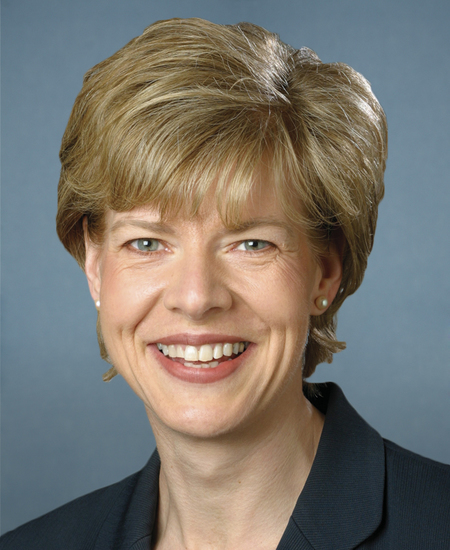
119th Congress Introduced by Tammy Baldwin and 19 co-sponsors

Federal bill prohibits child welfare agencies from discriminating based on sexual orientation, gender identity, religion, and marital status to protect LGBTQ+ foster youth.

Introduced in Senate
0
WeVote Research Nonpartisan
Bill Summary · S 3279

Legislative bill overview

S 3279 prohibits child welfare agencies from discriminating based on religion, sex (including sexual orientation and gender identity), and marital status when providing foster care and adoption services. The bill aims to improve outcomes for LGBTQ+ youth in the foster system and establish non-discrimination standards across state child welfare programs.

Why is this important

Approximately 20,000 youth age out of foster care annually without permanent families, and LGBTQ+ youth are overrepresented in the system while facing higher rates of discrimination and poor outcomes. This legislation would create federal standards ensuring vulnerable youth receive equitable care regardless of their sexual orientation or gender identity, potentially improving placement stability and mental health outcomes.

Potential points of contention

  • Religious exemptions debate: Opponents argue the bill may restrict faith-based organizations' ability to operate child welfare services according to religious doctrine, while supporters contend child welfare is a public function where discrimination harms vulnerable children
  • Parental rights concerns: Conservative groups may argue the bill infringes on parental rights or religious freedom in family formation, while proponents assert children's safety and welfare supersede such claims
  • Implementation specificity: Questions remain about how states would enforce non-discrimination standards, whether federal funding would be conditioned on compliance, and how conflicts between state and federal law would be resolved

Compiled from official sources — confirm details with the bill’s official record.

Sign in to ask a question.