

WeVote

Bill

Bill

S 3408

A bill to prohibit a United States currency featuring the likeness of a living or sitting President.

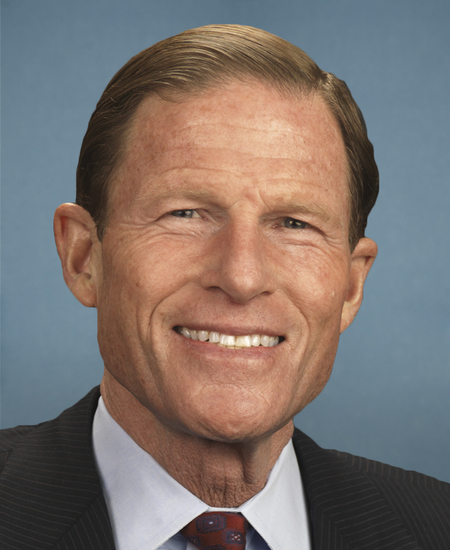
119th Congress Introduced by Richard Blumenthal and 5 co-sponsors

Requires air quality monitoring for major NYC transit projects with excavation, with data reporting and state oversight to protect nearby residents and inform mitigation.

Introduced in Senate
0
WeVote Research Nonpartisan
Bill Summary · S 3408

Summary of NY Senate Bill S 3408

Overview

  • Bill Number: S 3408
  • Title: Requires air quality monitoring of certain major mass transportation projects that involve an excavation operation within New York City
  • Introduced: January 27, 2025
  • Current Status: Reported and committed to Finance (Senate); actions show referral to Environmental Conservation on 2025-01-27 and subsequent reporting to Finance on 2025-05-28
  • Primary Sponsor: Leroy Comrie
  • Cosponsor: Nathalia Fernandez
  • Related bills from prior sessions: A 7658, A 4174, S 5363, A 1289, S 5591, S 2431

What the bill would do

  • The core objective is to require air quality monitoring for certain major mass transportation projects that involve excavation work within New York City.
  • While the full text isn’t provided here, the bill would establish air quality monitoring requirements tied to excavation activities associated with large transit projects, aiming to track environmental conditions and potentially inform mitigation measures.

Key provisions (as indicated by the bill’s purpose and status)

  • Establish monitoring requirements: Likely designating which projects qualify (major mass transportation projects with excavation) and what air quality metrics must be monitored (e.g., particulate matter and other pollutants).
  • Data collection and reporting: Expectation that monitoring data be collected and reported to a state agency or relevant authority, enabling oversight and transparency.
  • Oversight and enforcement: The bill would empower a state agency to oversee compliance and potentially impose penalties or require corrective actions for non-compliance.
  • Agency coordination: Possible coordination between environmental conservation authorities and transportation agencies to implement monitoring and respond to findings.

Affected entities and stakeholders

  • Primary impact: Agencies overseeing large NYC transit projects (e.g., the MTA or other major project sponsors) and the contractors engaging in excavation work.
  • Local communities: Residents and workers near excavation sites who could benefit from enhanced air quality monitoring and mitigation.
  • Regulators: State environmental and transportation agencies responsible for implementing monitoring programs and enforcing compliance.

Procedural and timeline aspects

  • Initial referral: Environmental Conservation Committee (January 27, 2025)
  • Subsequent action: Reported and committed to Finance (May 28, 2025) indicating progression toward a fiscal review and potential appropriation implications.
  • Next steps: If advanced, the bill would proceed through the Finance committee for budgetary and fiscal impact assessment, followed by floor consideration.

Potential impact and considerations

  • Environmental: Improved data on air quality around excavation activities could inform mitigation strategies and protect public health.
  • Fiscal: The Finance committee review suggests potential costs to sponsors and state agencies; the bill would need appropriations or allocations to fund monitoring infrastructure and operations.
  • Timelines and definitions: Specific project thresholds, monitoring standards, duration, and reporting timelines would be defined in the full text.

Compiled from official sources — confirm details with the bill’s official record.

Sign in to ask a question.