

WeVote

Bill

Bill

S 4751

End Tuberculosis Now Act of 2026

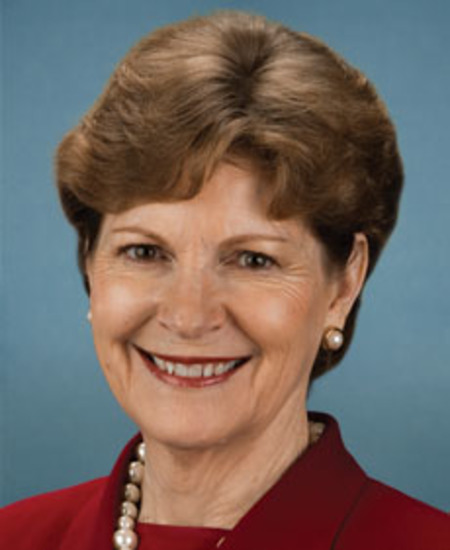
119th Congress Introduced by Jeanne Shaheen and 1 co-sponsor

The bill aims to mobilize U.S. resources and global partnerships to prevent, diagnose, treat, and cure tuberculosis worldwide, reducing incidence and mortality.

Introduced in Senate
0
WeVote Research Nonpartisan
Bill Summary · S 4751

Overview

S. 4751, introduced in the 119th Congress and referred to the Senate Foreign Relations Committee, is a bill titled “A bill to prevent, treat, and cure tuberculosis globally.” The bill has co-sponsorship from Jeanne Shaheen and Todd Young. The action history shows the bill was read twice on June 11, 2026, and referred to the Committee on Foreign Relations.

Purpose and intent

  • The primary aim is to combat tuberculosis (TB) on a global scale, focusing on prevention, treatment, and cure.
  • The bill seeks to mobilize U.S. government resources and international partnerships to reduce TB incidence and mortality worldwide, with emphasis on high-burden countries and vulnerable populations.

Key provisions and changes (as indicated by the title and typical scope of such legislation)

  • International TB prevention: authorize funding and programs to prevent TB transmission, including public health campaigns, vaccination where applicable (e.g., BCG programs in some regions), and community outreach.
  • Diagnosis and treatment: support access to rapid TB diagnostics, ensure availability of effective drug regimens, and promote adherence to treatment through patient support and monitoring systems.
  • Cure and recovery: strengthen case management, support for drug-susceptible and drug-resistant TB treatment, and measures to prevent relapse.
  • Global health security and capacity building: enhance health system strengthening in partner countries, including laboratory capacity, surveillance, and workforce training to sustain TB prevention and care.
  • Research and development: promote global TB research, including new diagnostics, drugs, vaccines, and shorter treatment regimens; facilitate collaboration with international partners and researchers.
  • Monitoring, evaluation, and accountability: establish reporting requirements, performance metrics, and oversight to assess progress toward declared TB targets.
  • Funding authorizations: designate and appropriate funding (potentially through existing U.S. international health accounts, e.g., the Global Health Programs account) to support TB activities abroad, subject to annual appropriations.
  • Coordination: require coordination with relevant U.S. agencies (e.g., USAID, CDC, State Department) and alignment with multilateral partners and international organizations active in TB control.

Note: The specific dollar amounts, programmatic allocations, timelines, and set-aside percentages are not provided in the available information. The bill’s precise text would define the exact funding levels, reporting schedules, and any country-specific or population-specific directives.

Who would be affected

  • U.S. government agencies involved in international health (e.g., USAID, CDC, Department of State) would implement and administer TB programs abroad.
  • International partners, including governments of high TB burden countries, global health organizations, non-governmental organizations, and community groups, would participate and benefit from enhanced TB services.
  • Target populations in recipient countries, including people with TB disease, people at risk of TB infection, and individuals affected by drug-resistant TB, would experience improved access to diagnosis, treatment, and care.
  • Researchers and institutions engaged in TB diagnostics, treatments, and vaccine development could gain funding and collaboration opportunities.

Procedural and timeline aspects

  • Status: Read twice and referred to the Senate Committee on Foreign Relations as of June 11, 2026.
  • Next steps: The Committee on Foreign Relations would review the bill, potentially amend it, and report it to the full Senate. If reported favorably, it would proceed to floor consideration and vote, followed by reconciliation with any companion House measures (if applicable) and final passage.
  • Funding and implementation would depend on subsequent appropriations and authorizations enacted by Congress.

Potential impact

  • By prioritizing global TB prevention, diagnosis, and treatment, the bill could contribute to reductions in TB incidence and mortality worldwide.
  • Strengthened health systems and laboratory capacity could have ancillary benefits for detecting and managing other infectious diseases.
  • Clear monitoring and accountability provisions would help track progress and ensure effective use of U.S. international health resources.

Compiled from official sources — confirm details with the bill’s official record.

Sign in to ask a question.