

WeVote

Bill

Bill

S 5252

A bill to prevent foreign adversaries from threatening the national security of the United States by extracting key technical features of closed-source, United States-owned artificial intelligence models, and for other purposes.

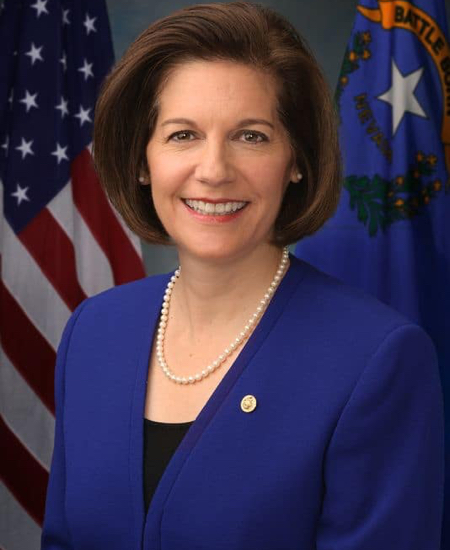
119th Congress Introduced by Catherine Cortez Masto and 5 co-sponsors

Prohibits or tightens controls on extracting key technical features from closed-source U.S.-owned AI models to protect national security.

Introduced in Senate
0
WeVote Research Nonpartisan
Bill Summary · S 5252

Overview

S. 5252, introduced in the 119th Congress, aims to prevent foreign adversaries from threatening United States national security by extracting key technical features from closed-source, U.S.-owned artificial intelligence models. The bill seeks to address risks associated with foreign actors attempting to reverse engineer or otherwise glean critical capabilities from proprietary AI systems.

Purpose and Intent

  • Core aim: Protect national security by restricting the extraction of key technical features from closed-source AI models owned or developed in the United States.
  • Rationale: Closed-source U.S.-owned AI models may contain sensitive capabilities, security mechanisms, or strategic functionalities that could be exploited if foreign adversaries obtain access to their essential technical features.

Key Provisions (as indicated by bill title and purpose)

  • Prohibition or heightened controls on attempts to extract critical features from closed-source U.S.-owned AI models.
  • Establishment of safeguards to prevent reverse engineering or feature extraction that could enable misuse, manipulation, or replication by foreign adversaries.
  • Potential alignment with national security or export control frameworks to restrict access, dissemination, or exploitation of sensitive model features.
  • Possible guidance on due diligence, risk assessment, and compliance for entities that develop, own, or maintain closed-source U.S.-owned AI systems.

Note: The specific statutory text, definitions (e.g., what constitutes "key technical features," what qualifies as a "closed-source" model, and who is considered a "foreign adversary"), and enforcement mechanisms are not provided in the summary information available here. The bill’s precise scope, penalties, reporting requirements, and enforcement authorities would be clarified in the bill’s full language.

Who Would Be Affected

  • U.S.-owned or developed closed-source AI model developers, owners, or operators.
  • Entities handling or processing such AI models (including contractors, collaborators, or service providers) who might be involved in feature extraction activities.
  • Potentially foreign individuals or entities attempting to extract features from these models, depending on enforcement provisions.
  • Government agencies responsible for national security, export controls, or technology safeguards.

Procedural and Timeline Aspects

  • Status: Read twice and referred to the Committee on Banking, Housing, and Urban Affairs as of August 5, 2026.
  • Introduced: August 5, 2026.
  • Sponsors: Multiple co-sponsors, including Andy Kim, Tim Scott, Catherine Cortez Masto, Dave McCormick, Jeanne Shaheen, and Bill Hagerty.
  • Next steps typical for a Senate bill: Committee review, markups, potential amendments, and consideration on the Senate floor; if passed, coordination with the House (and potential conference committee) before a president’s signature.

Potential Impacts and Considerations

  • Security Impact: Aims to reduce risk of sensitive AI capabilities being exposed to adversaries, potentially lowering threats related to IP leakage, strategic misuse, or exploitation of model weaknesses.
  • Innovation and Collaboration: Could influence research and development practices for closed-source models, including stricter internal controls and potential compliance overhead.
  • Global Competitiveness: Depending on implementation, may affect international collaboration or technology transfer related to U.S.-owned AI systems.
  • Enforcement: Effectiveness will depend on defined penalties, jurisdictional reach, and mechanisms to detect and deter improper feature extraction.

Notes for Readers

  • The summary reflects the bill’s stated purpose and known actions at introduction; the exact legal definitions, scope, and enforcement details will be clarified in the full text and subsequent committee amendments.
  • For stakeholders, monitoring amendments during committee consideration will be important to understand operational requirements, risk-based exemptions, and any carve-outs.

Compiled from official sources — confirm details with the bill’s official record.

Sign in to ask a question.