

WeVote

Bill

Bill

S 4903

A bill to improve the point-in-time count conducted by the Department of Housing and Urban Development, and for other purposes.

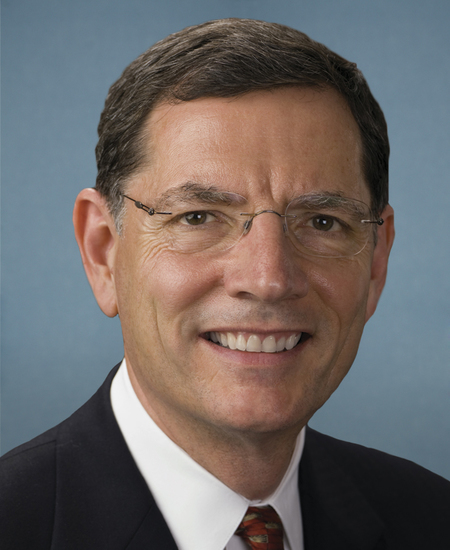
119th Congress Introduced by John Barrasso and 3 co-sponsors

The bill aims to improve HUD's annual point-in-time count to produce more accurate, reliable, and useful homelessness data for better policy and funding decisions.

Introduced in Senate
0
WeVote Research Nonpartisan
Bill Summary · S 4903

Bill Overview

  • Bill: S. 4903
  • Session: 119th Congress
  • Title: A bill to improve the point-in-time count conducted by the Department of Housing and Urban Development, and for other purposes.
  • Introduced: June 24, 2026 (Senate)
  • Current Status: Read twice and referred to the Committee on Banking, Housing, and Urban Affairs (as of 2026-06-24)
  • Sponsors:
    • Co-sponsors: John Barrasso, Dan Sullivan, Cynthia Lummis, Gary Peters

Purpose and Intent

  • The primary aim is to improve the accuracy, reliability, and usefulness of the annual point-in-time (PIT) count conducted by the U.S. Department of Housing and Urban Development (HUD). The PIT count is a nationwide snapshot of homelessness on a single night and informs policy, funding, and program planning.

Key Provisions and Changes (probable themes based on title and context)

  • Enhanced PIT Methodology: Revisions to the methods HUD uses to conduct the PIT count, potentially including standardized counting protocols, criteria for counting individuals and families, and procedures for counting unsheltered vs. sheltered homelessness.
  • Data Quality and Verification: Measures to improve data quality, accuracy, and consistency across jurisdictions, possibly through training requirements, data validation, and clearer reporting guidelines.
  • Granularity and Disaggregation: Provisions to collect and report more granular data (e.g., by demographics, veteran status, chronic homelessness, location type), enabling targeted interventions.
  • Coordination with Continuums of Care (CoCs): Requirements or incentives for CoCs and local agencies to participate in the PIT process, share data, and align with standardized HUD reporting.
  • Use of Data for Funding and Policy: Clarifications or expansions on how PIT data informs funding allocations, program design, and anti-homelessness strategies at federal, state, and local levels.
  • Timeline and Frequency: Potential amendments to the timing, frequency, or window of the PIT count to improve comparability year over year.

Note: The bill text is not provided here, so the above provisions reflect common elements typically addressed in PIT count reform legislation. The actual language may include additional specifics, definitions, and statutory amendments.

Who Would Be Affected

  • HUD and its contractors/partners: Entities responsible for conducting the PIT count and reporting results.
  • State and local governments, and CoCs: Local agencies that perform count operations and submit data to HUD; may incur training, data collection, and reporting requirements.
  • Homeless populations (sheltered and unsheltered): Individuals and families who would be counted under any revised methodology.
  • Program funding and policy decision-makers: Stakeholders relying on PIT data to allocate resources, target interventions, and measure progress toward homelessness reduction goals.

Procedural and Timeline Aspects

  • Referral: The bill was introduced in the Senate and referred to the Committee on Banking, Housing, and Urban Affairs for consideration.
  • Committee Process: The next steps typically include hearings, potential amendments, and a committee vote before moving to the full Senate.
  • Reporting and Amendments: If reported, the bill would proceed to debate and could be amended on the Senate floor. The exact timelines depend on Senate procedures and agenda.

Potential Impacts and Considerations

  • Data Transparency: Likely increases in transparency and comparability of PIT data across jurisdictions.
  • Policy Targeting: More precise data could enable sharper targeting of homelessness interventions and improved performance measurement.
  • Administrative Burden: New or revised requirements could affect local CoCs’ workloads and resource needs; may be paired with funding or technical support provisions.
  • Equity and Coverage: Enhanced disaggregation could help identify disparities and ensure protections for vulnerable subgroups.

If you’d like, I can tailor this summary to a specific audience (e.g., policymakers, advocates, or the general public) or add a comparison with current PIT count processes once the full bill text is available.

Compiled from official sources — confirm details with the bill’s official record.

Sign in to ask a question.