Overview
Bill: S. 4504 (119th Congress) — A bill to improve the full-service community school program, and for other purposes.
Status: Introduced and read twice, referred to the Senate Committee on Health, Education, Labor, and Pensions (as of 2026-05-12).
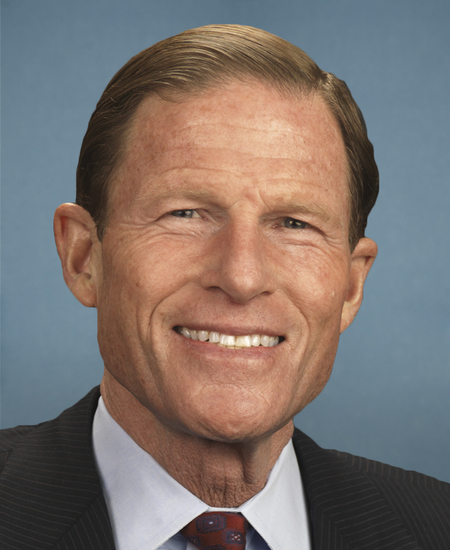
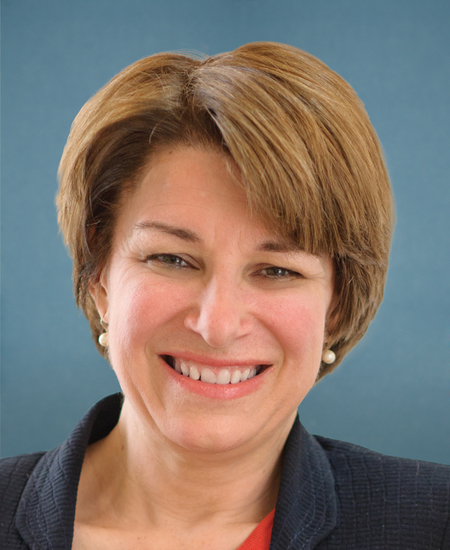
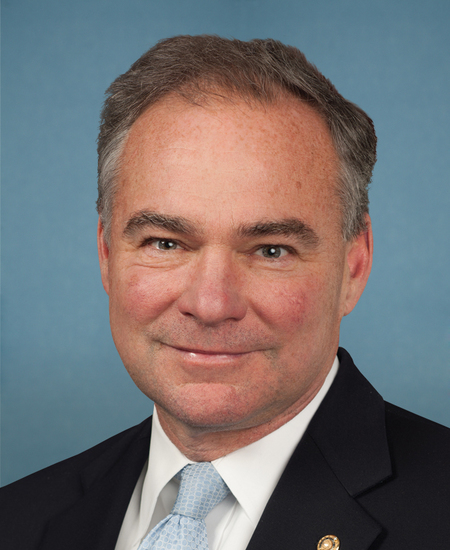
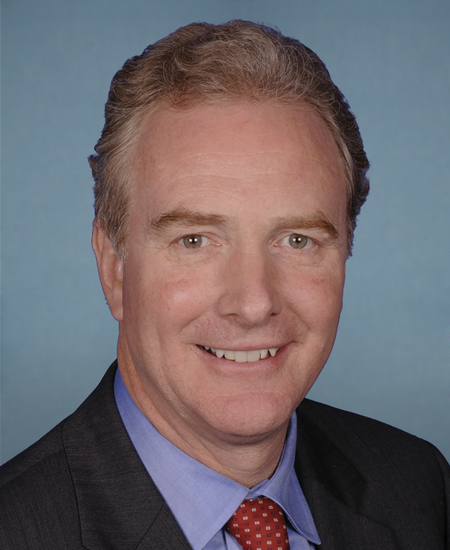
Sponsors: Lead sponsors and notable co-sponsors include Amy Klobuchar, Tim Kaine, Richard Blumenthal, Chris Van Hollen, Dick Durbin, Angela Alsobrooks, Bernie Sanders, Tammy Duckworth, Cory Booker, Kirsten Gillibrand, Mazie Hirono, Alex Padilla, and Martin Heinrich.
Purpose and Intent
- The bill aims to strengthen and expand the full-service community school (FSCS) program.
- The FSCS model typically integrates academics with health, social, and family supports within public schools to improve student outcomes and community well-being.
- By "improving" the program, the bill likely seeks to enhance funding, coordination, and accountability to better deliver comprehensive services through partnering schools and local communities.
Key Provisions and Changes (indicative based on title and typical FSCS enhancements)
- Expansion of FSCS Funding: Increase federal support to more schools or to provide higher levels of per-school funding to implement or sustain full-service community schools.
- Service Integration: Strengthen the alignment and delivery of services (academic enrichment, health and mental health services, family engagement, and community partnerships) under a unified school-based model.
- Multi-Agency Coordination: Promote coordination among schools, local governments, health providers, after-school programs, and community organizations to streamline service delivery.
- Administrative Framework: Establish or refine grant-making processes, eligibility criteria, reporting requirements, and performance metrics to monitor program effectiveness.
- Equity and Access: Prioritize underserved or high-need districts to reduce disparities in educational and health outcomes.
- Sustainability and Innovation: Encourage long-term planning, capacity-building, and innovative strategies for sustaining FSCS operations beyond initial funding.
Note: The exact sub-sections, grant amounts, match requirements, performance indicators, and timelines would be specified in the text of the bill or accompanying committee reports.
Affected Parties and Reach
- Primary Beneficiaries: Students, families, and school communities in FSCS sites, particularly in districts with high needs.
- Implementing Entities: Local education agencies (school districts), partnering community organizations, health providers, and social service agencies.
- Broader Impacts: Potential improvements in student attendance, academic achievement, school climate, student health outcomes, and family engagement; possible reductions in dropout rates and burden on community health and social systems.
Procedural and Timeline Aspects
- Introduction and Referral: The bill was introduced in the Senate and referred to the Committee on Health, Education, Labor, and Pensions for consideration.
- Next Steps: The committee may hold hearings, markup the bill to add or modify provisions, and vote to report the bill to the full Senate. If reported, the bill would proceed through the Senate floor process and, potentially, later reconciliation with any companion House legislation.
- Implementation Timeline (typical for federal education programs): If enacted, implementation timelines often include grant cycles (e.g., multi-year funding periods), with accompanying reporting deadlines and performance reviews to assess effectiveness every year or each grant cycle.
Additional Considerations
- Fiscal Impact: Affects federal education funding levels; specifics would be in the fiscal note or section-by-section analysis.
- Evaluation: Likely includes performance metrics to measure student outcomes, service reach, family engagement, and community partnerships.
- Policy Context: Aligns with broader federal efforts to support holistic, place-based approaches to education and community well-being.
If you’d like, I can extract and summarize the bill’s specific sections, proposed appropriations, and reporting requirements once the full text is available.



Start the Conversation
Be the first to share your thoughts on this petition. Your voice matters!