

WeVote

Bill

Bill

S 5357

A bill to impose requirements for certain Federal positions to promote transparency, and for other purposes.

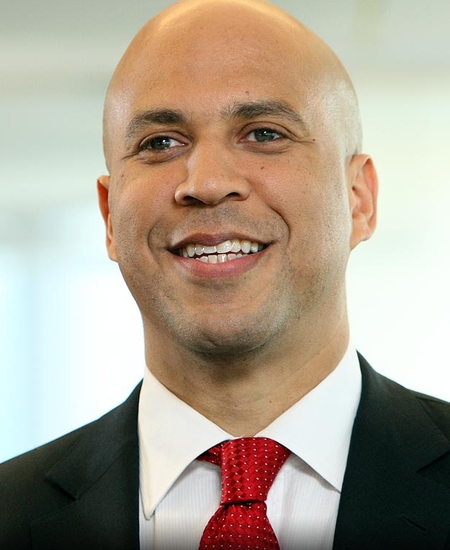
119th Congress Introduced by Cory Booker and 7 co-sponsors

The bill requires new transparency measures for certain federal positions, mandating public disclosure and enhanced access to information about appointments and related activities.

Introduced in Senate
0
WeVote Research Nonpartisan
Bill Summary · S 5357

Summary of Bill: S. 5357 (119th Congress)

Main purpose and intent

S. 5357 seeks to impose requirements related to transparency for certain Federal positions. The bill appears aimed at enhancing openness around appointments or disclosures associated with federal roles, with a focus on how information about such positions is shared with the public and/or Congress. The exact statutory language is not provided here, but the title indicates a broad mandate to promote transparency in Federal positions and related activities.

Key provisions and changes (as implied by title and context)

  • Establish transparency requirements for certain Federal positions. This could include:
    • Public disclosure of appointments, nominations, or employment details.
    • Reporting obligations for offices or individuals in specific federal roles.
    • Enhanced public access to information about the functions, budgets, or decision-making processes associated with those positions.
  • Possible rules governing conflicts of interest, post-employment restrictions, or ethics disclosures tied to the named positions.
  • Mechanisms for accountability, such as quarterly or annual reporting, or oversight by a designated committee or inspector general.
  • Procedures for compliance, including penalties or enforcement measures for noncompliance (e.g., administrative sanctions, referrals for ethics investigations).

Note: The exact substantive provisions (definitions of “certain Federal positions,” scope, exemptions, timelines) would be detailed in the bill’s text. The summary above reflects likely areas given the title.

Who or what would be affected

  • Federal offices, agencies, or positions that fall under the bill’s specified category of “certain Federal positions.”
  • Federal employees or nominees in those positions, and potentially senior executives or political appointees.
  • Agencies responsible for ethics, transparency, or public reporting, which would implement and enforce the new requirements.
  • The general public and watchdog groups that would gain enhanced access to information about these positions and related activities.

Procedural and timeline aspects

  • Introduced in the Senate on 2026-08-06.
  • Referred the same day to the Committee on Foreign Relations for consideration, indicating initial jurisdiction and potential amendment within that committee.
  • Co-sponsors include Senators Duckworth, Van Hollen, Kim, Coons, Booker, Merkley, Kaine, and Rosen, suggesting support among several major Democrats and indicating a focus consistent with ethics and transparency themes.

Practical implications and potential impact

  • Increased transparency could improve public trust by making information about federal positions more accessible.
  • Agencies would need to establish or adapt reporting systems, manage disclosures, and ensure compliance across relevant offices.
  • If penalties or enforcement provisions are included, there could be a deterrent effect against nondisclosure or opaque governance practices.
  • Stakeholders (advocacy groups, journalists, researchers) would have more data to analyze the operations and affiliations of federal positions.

Next steps for readers

  • Monitor for the bill’s text to review precise definitions, scope, exemptions, and enforcement mechanisms.
  • Watch committee actions in the Senate Committee on Foreign Relations for amendments, hearings, or reports.
  • Track the status of any related companion bills in the House and potential floor debates or votes.

Compiled from official sources — confirm details with the bill’s official record.

Sign in to ask a question.