

WeVote

Bill

Bill

S 4380

Critical Infrastructure Airspace Defense Act

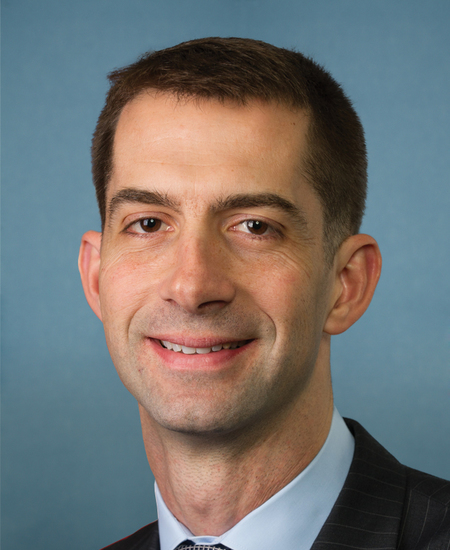
119th Congress Introduced by Tom Cotton

Gives private owners of critical infrastructure authority to use counter-UAS tech to detect, identify, deter, or mitigate unauthorized drone activity over their facilities.

Introduced in Senate
0
WeVote Research Nonpartisan
Bill Summary · S 4380

Summary of Bill S. 4380 (Session 119)

Title

A bill to grant authority to use counter-unmanned aircraft system technologies to private owners of critical infrastructure facilities, and for other purposes.

Purpose and intent

  • The bill seeks to empower private owners of critical infrastructure facilities to use counter-UAS (unmanned aircraft system) technologies.
  • The primary aim is to enhance security and resilience by allowing private sector entities that operate critical infrastructure to detect, identify, and deter or neutralize UAS threats attempting to encroach on their facilities.

Key provisions and changes (proposed by the bill)

  • Authority to private owners: Grants or clarifies authority for private owners of critical infrastructure to employ counter-UAS technologies and capabilities. This may include detection, identification, tracking, and mitigation measures against unauthorized UAS activity over, near, or targeting their facilities.
  • Scope of technologies: Likely includes systems such as radar, radio frequency sensors, electro-optical/infrared sensors, and cyber techniques designed to neutralize or deter disruptive drone activity. Specific methods of mitigation and the allowed modalities would be defined in the bill or associated guidelines.
  • Applicability to critical infrastructure: Applies to facilities designated as critical infrastructure, which may include energy, water, transportation, communications, and other sectors deemed essential to national security and public safety.
  • Coordination and compliance: Provisions may require coordination with relevant authorities (e.g., Homeland Security, law enforcement) and adherence to applicable civil liberties, privacy protections, and regulatory frameworks.
  • Liability and risk management: Likely includes clarifications on liability protections or risk allocation for private entities employing counter-UAS measures, as well as safety considerations to prevent unintended harm to bystanders or aircraft.
  • For “other purposes”: The bill may include additional related authorities or clarifications that support security operations around critical infrastructure beyond counter-UAS, such as incident response or threat assessment capabilities.

Who would be affected

  • Private owners and operators of critical infrastructure facilities (e.g., utilities, energy grids, water systems, large transportation hubs, data centers with critical functions).
  • Security and risk management teams within those facilities.
  • Potentially, manufacturers and providers of counter-UAS technologies who would see expanded market access.
  • Law enforcement and federal agencies responsible for oversight, coordination, and compliance with existing laws.

Procedural and timeline aspects

  • Action history:
    • Introduced in the U.S. Senate.
    • Read twice and referred to the Committee on Homeland Security and Governmental Affairs (April 22, 2026).
  • Sponsor: Co-sponsor Tom Cotton.
  • Next steps (typical legislative process): Committee markup and report, potential floor consideration in the Senate, and eventual House consideration (if it advances beyond committee). Amendments and stakeholder input would likely shape final provisions, including clarifications on liability, privacy protections, and enforcement mechanisms.

Potential impact and considerations

  • Security impact: Could enhance the defense of critical infrastructure against potential drone threats by enabling private facilities to actively counter unauthorized UAS activity.
  • Privacy and civil liberties: Requires careful balancing to avoid overreach and to protect individuals’ privacy rights; implementation would likely require clear guidelines and oversight.
  • Regulatory alignment: Would need to align with existing federal aviation rules, airspace safety standards, and national security laws, including any applicable FAA authorities.
  • Liability and safety: Clear allocation of risk and safety protocols would be essential to prevent collateral damage, interference with legitimate aircraft, or unintended escalations.

If you’d like, I can tailor this summary to a specific subsection of the bill (e.g., liability provisions, privacy safeguards, or enforcement mechanisms) once the full text is available.

Compiled from official sources — confirm details with the bill’s official record.

Sign in to ask a question.