

WeVote

Bill

Bill

S 3959

Smarter Sentencing Act of 2026

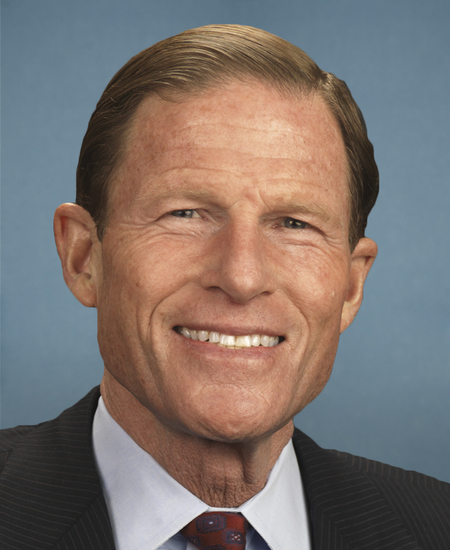
119th Congress Introduced by Richard Blumenthal and 10 co-sponsors

Senate bill redirects federal law enforcement to prioritize prosecution of serious criminal offenders, potentially reducing cases on lower-level violations.

Introduced in Senate
0
WeVote Research Nonpartisan
Bill Summary · S 3959

Legislative bill overview

S 3959 proposes to redirect federal law enforcement resources toward prosecuting the most serious criminal offenders rather than lower-level violations. The bill aims to establish priorities within the federal justice system to concentrate limited prosecutorial capacity on cases involving significant crimes. The specific mechanisms for determining severity and resource allocation would be detailed in the bill's full text.

Why is this important

Federal prosecutors have finite resources and must make strategic choices about which cases to pursue. This bill addresses debates about prosecutorial priorities—whether federal efforts should focus on violent crimes, organized crime, and major offenses versus lower-level drug possession, immigration violations, and other minor infractions. Resource allocation decisions have real consequences for which defendants face federal charges and what cases receive investigative attention.

Potential points of contention

  • Definition of "serious offenders": Disagreement likely exists over what crimes qualify as serious enough for federal prosecution versus state or local handling, with perspectives varying on drug trafficking thresholds, financial crimes, and immigration violations
  • Prosecutorial discretion vs. mandatory guidelines: Questions about whether the bill creates enforceable standards or merely advisory guidance, and how much discretion individual prosecutors retain in deciding case priorities
  • Regional impact disparities: Resource reallocation could affect different regions unequally depending on local crime patterns, with some areas potentially seeing reduced federal prosecution of offenses previously prioritized

Compiled from official sources — confirm details with the bill’s official record.

Sign in to ask a question.