

WeVote

Bill

Bill

S 4767

Renewing the African American Civil Rights Network Act

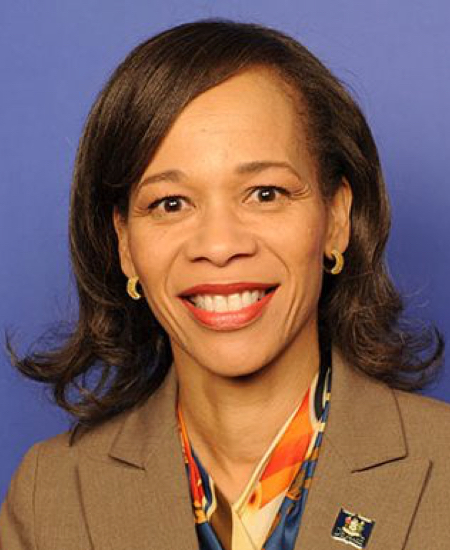
119th Congress Introduced by Lisa Blunt Rochester and 1 co-sponsor

The bill would extend federal authorization and support for the African American Civil Rights Network, sustaining documentation, education, and public programs on civil rights hist

Introduced in Senate
0
WeVote Research Nonpartisan
Bill Summary · S 4767

Overview

S 4767, introduced in the 119th Congress and referred to the Senate Committee on Energy and Natural Resources, seeks to extend the authorization of the African American Civil Rights Network. The bill currently has two co-sponsors: Lisa Blunt Rochester and Tim Scott.

Purpose and intent

  • The primary objective is to extend the authorization and support for the African American Civil Rights Network (AACRN), a program established to document, preserve, and promote awareness of the civil rights history and ongoing legacy of African American rights struggles.
  • By extending authorization, the bill aims to ensure continued federal recognition, funding, and activity related to the network’s mission.

Key provisions and changes

  • Extension of authorization: The bill would prolong the statutory authorization for the AACRN, ensuring ongoing federal endorsement and programmatic support.
  • Program scope (as inferred from the bill’s intent): Likely to cover activities such as:
    • Collaboration with museums, libraries, educational institutions, and community organizations.
    • Documentation, preservation, and dissemination of civil rights history.
    • Public programs, commemorations, and educational initiatives highlighting African American civil rights milestones and figures.
  • Potential funding implications: While specific appropriation levels are not stated in the summary, extending authorization generally enables continued budgeting and grants related to AACRN activities through appropriate federal agencies, typically the National Park Service or a related department, as designated by statute.

Who is affected

  • Primary: African American communities and historians, researchers, educators, students, and organizations involved in civil rights history projects.
  • Secondary: Federal agencies and partners that administer or collaborate on AACRN initiatives, including museums, archives, universities, and cultural institutions.
  • Public impact: Communities and visitors gain access to ongoing educational programs, preservation efforts, and interpretive resources related to civil rights history.

Procedural and timeline aspects

  • Introduction and referral: The bill was introduced in the Senate and referred to the Committee on Energy and Natural Resources on June 11, 2026.
  • Next steps: The committee will review, potentially amend, and vote on the measure before it could proceed to the full Senate for consideration. If advanced, floor passage would require passage by both Senate and House (and potential reconciliation) and presidential action for enactment.
  • Status note: As of the provided information, the bill is in early congressional steps (read twice, referred to committee).

Practical implications

  • If enacted, the AACRN would continue to operate with federal backing, sustaining programming that documents and interprets civil rights history and supports related scholarship and public education.
  • The extension can provide stability for ongoing projects, partnerships, and preservation efforts tied to African American civil rights milestones.

If you’d like, I can pull the full text or summary language from the bill’s section-by-section analysis to extract exact programmatic authorities, funding mechanisms, and duration details.

Compiled from official sources — confirm details with the bill’s official record.

Sign in to ask a question.