

WeVote

Bill

Bill

S 4028

A bill to expand equitable access to developmentally-appropriate literacy materials, programs, and family engagement in reading, especially in underserved communities, and strengthen the connection between literacy and long-term academic and economic success.

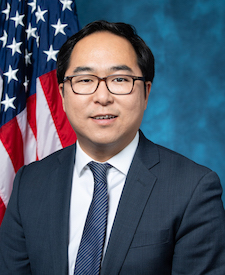
119th Congress Introduced by Andy Kim

Senate bill expands access to literacy programs and reading materials in underserved communities to improve long-term academic and economic outcomes for disadvantaged students.

Introduced in Senate
2
WeVote Research Nonpartisan
Bill Summary · S 4028

Legislative bill overview

S 4028 aims to increase access to age-appropriate reading materials and literacy programs in underserved communities, with emphasis on family involvement in reading development. The bill connects early literacy intervention to long-term academic and economic outcomes, positioning reading proficiency as foundational to student success.

Why is this important

Early literacy gaps between socioeconomic groups are well-documented predictors of later educational achievement and earnings potential. Targeted investment in underserved communities addresses a documented equity gap while potentially reducing long-term costs associated with academic intervention, remediation, and lower workforce productivity.

Potential points of contention

  • Funding source uncertainty: The bill does not specify how literacy programs will be funded, raising questions about whether this represents new federal spending, redistribution of existing education dollars, or mandate-without-funding for states and districts
  • Definition ambiguity: "Underserved communities" and "developmentally-appropriate materials" lack precise definitions, which could lead to inconsistent implementation or disputes over eligibility
  • Implementation mechanism unclear: The bill's language suggests expansion but does not detail whether this works through grants, mandates, curriculum requirements, or partnerships with existing literacy organizations

Compiled from official sources — confirm details with the bill’s official record.

Sign in to ask a question.