

WeVote

Bill

Bill

S 4941

A bill to expand access to methadone through alternative care models using pharmacies.

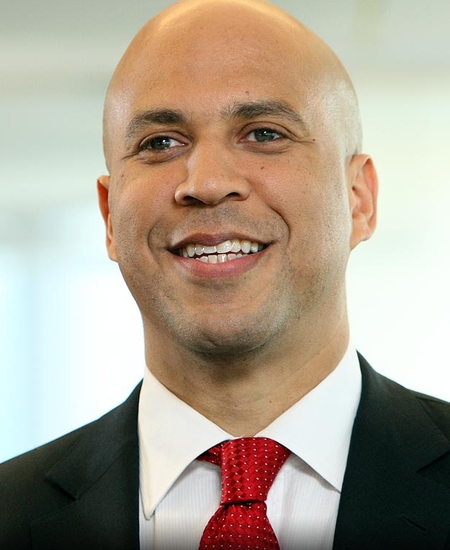
119th Congress Introduced by Cory Booker and 5 co-sponsors

Expands access to methadone by allowing qualified pharmacies to dispense or coordinate delivery as part of integrated, pharmacy-based treatment models.

Introduced in Senate
0
WeVote Research Nonpartisan
Bill Summary · S 4941

Bill Overview

  • Bill: S 4941
  • Session: 119
  • Jurisdiction: United States
  • Title: A bill to expand access to methadone through alternative care models using pharmacies
  • Introduced: 2026-06-24
  • Read twice and referred to the Committee on Health, Education, Labor, and Pensions on 2026-06-24
  • Sponsors: Elizabeth Warren; Rand Paul; Ed Markey; Tammy Duckworth; Maggie Hassan; Cory Booker (co-sponsors)

Purpose and Intent

  • The bill seeks to broaden access to methadone treatment for opioid use disorder (OUD) by enabling alternative care models that leverage pharmacies as distribution and care-access points.
  • Aims to reduce barriers to methadone treatment, including transportation, geographic access, and wait times, by integrating pharmacy-based administration or distribution with existing methadone programs.

Key Provisions and Changes

  • Authorization for Pharmacy-Based Access:

    • Allows qualified pharmacies to dispense methadone or coordinate its delivery as part of a patient-centered treatment model.
    • Establishes standards for pharmacies to participate, including credentialing, storage, safety, and patient privacy considerations.
  • Care Model Flexibility:

    • Enables alternative care pathways beyond traditional opioid treatment programs (OTPs), potentially including pharmacy-on-site counseling, telehealth support, and coordination with clinicians.
    • Encourages integrated care with primary care and behavioral health services where appropriate.
  • Safeguards and Quality Assurance:

    • Sets safety protocols to prevent misuse, diversion, and overdose, including monitoring, patient identification verification, and adherence tracking.
    • Requires reporting and data collection to evaluate outcomes, adherence, and safety.
  • Patient Access and Equity:

    • Targets improved access in underserved or rural areas where OTPs are scarce.
    • Potentially supports parity in coverage and affordability, with consideration of insurance and reimbursement processes.
  • Oversight and Implementation:

    • Details regulatory oversight mechanisms, including the role of federal health agencies in approving participating pharmacies and monitoring program performance.
    • Outlines timelines for phased implementation, pilot testing, and broader rollout.

Who and What Would Be Affected

  • Patients with Opioid Use Disorder:

    • Individuals eligible for methadone treatment could access expanded points of care, including pharmacies.
    • Potentially enhanced convenience, reduced travel burdens, and improved continuity of treatment.
  • Pharmacies:

    • Eligible pharmacies would participate in the program, requiring capabilities for secure methadone handling, patient counseling, and reporting.
  • Healthcare Providers:

    • OTPs, primary care clinicians, pharmacists, and behavioral health professionals would collaborate within the new model.
  • Payers:

    • Private insurers and public programs (e.g., Medicaid) may adjust coverage and reimbursement to accommodate pharmacy-based methadone services.

Procedural and Timeline Aspects

  • Introduction and Referral:
    • Introduced and immediately referred to the Senate Committee on Health, Education, Labor, and Pensions.
  • Potential Next Steps:
    • Committee review, markups, and potential amendments.
    • If advanced, floor consideration in the Senate, and potential Conference Committee if there are companion House actions or alignment with existing opioid treatment policies.
  • Implementation Timeline:
    • The bill likely envisions a phased approach with pilot programs and subsequent scaling, though exact dates would be clarified in committee language and final enacted text.

Potential Impacts and Considerations

  • Public Health Impact:
    • Could increase treatment uptake, improve retention in care, and reduce overdose deaths if implemented with strong safety and monitoring.
  • Access and Equity:
    • May reduce geographic and logistical barriers, benefiting rural and underserved communities.
  • Risk Management:
    • Requires robust safeguards to mitigate diversion, misuse, and regulatory complexity across multiple care settings.

Note: As written, the summary reflects the bill’s stated objective and typical features of pharmacy-based methadone access proposals. Final specifics depend on the enacted text, including detailed eligibility criteria, payment and reimbursement rules, and operational protocols.

Compiled from official sources — confirm details with the bill’s official record.

Sign in to ask a question.