

WeVote

Bill

Bill

S 4696

Right to Record Act of 2026

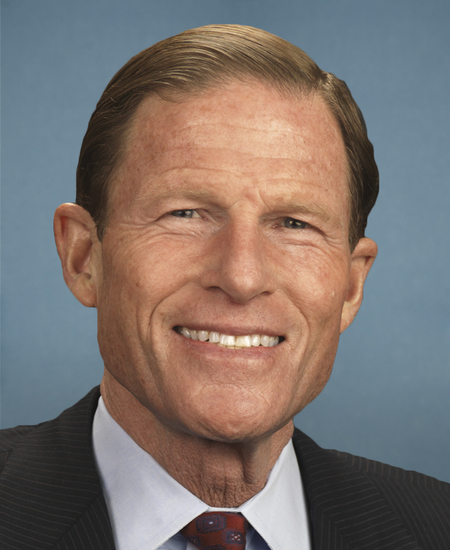
119th Congress Introduced by Richard Blumenthal

The bill creates a federal civil rights claim for violations of the right to record, observe, or peacefully protest law enforcement activities, with damages and remedies.

Introduced in Senate
0
WeVote Research Nonpartisan
Bill Summary · S 4696

Summary of Bill: S. 4696 (119th Congress)

Purpose and intent

  • S. 4696 aims to create an express federal cause of action for individuals whose rights to record, observe, or peacefully protest law enforcement activities are violated. In essence, it seeks to provide a clear legal remedy for people who exercise or attempt to exercise their rights to document or monitor police actions and to protest peacefully.

Key provisions and changes

  • Establishment of a new civil rights claim: The bill would authorize plaintiffs to sue for violations of the right to record, observe, or peacefully protest law enforcement activities.
  • Scope of protected activities:
    • Recording law enforcement actions with devices such as cameras or smartphones.
    • Observing law enforcement activities in public or lawful settings.
    • Peaceful protest related to policing or law enforcement conduct.
  • Remedies and relief: The bill would specify available relief for successful plaintiffs, which may include monetary damages and potentially injunctive or other remedial relief as defined by the statute.
  • Federal civil rights framework: The action would be housed within the existing federal civil rights structure, potentially alongside or complementing other protections against excessive force, unlawful detentions, or violations of constitutional rights.
  • Jurisdiction and standing: The bill would outline who may sue (e.g., individuals whose rights were violated) and the federal courts’ jurisdiction to hear such claims.
  • Protections against frivolous suits: Provisions may address standards for proving violations and defenses to ensure actions are grounded in actual rights violations.

Who would be affected

  • Individuals seeking to document or observe police activity and who have experienced interference or violations of their rights while doing so.
  • Law enforcement agencies and officers, who would be subject to civil actions for violations of the newly recognized right.
  • Potential witnesses, protest participants, journalists, and members of the public who engage in recording or peaceful protest around law enforcement operations.

Procedural and timeline aspects

  • Introduction and referral: The bill was introduced in the Senate and referred to the Committee on the Judiciary on June 8, 2026.
  • Review process: The Judiciary Committee would examine the bill, potentially holding hearings, and may amend before reporting it to the full Senate.
  • Legislative status: As of the latest action, the bill has been read twice and referred to a committee, with no further actions listed in the provided history.

Notes and context

  • This bill is part of efforts to formalize protections for individuals who record or observe police activity and to ensure peaceful protest rights are legally enforceable at the federal level.
  • The precise definitions (e.g., what constitutes “recording,” “observing,” or “peaceful protest”; what constitutes a violation; and what remedies are available) and any exceptions (e.g., public safety or officer safety considerations) would be detailed in the bill’s text and accompanying provisions.

If you’d like, I can tailor this summary to focus on specific sections once the bill’s exact language (definitions, standards of liability, defenses, and remedies) is available.

Compiled from official sources — confirm details with the bill’s official record.

Sign in to ask a question.