

Summary of Bill: S. 4598 (119th Congress)
Purpose and intent
- Establishes a United States Commission on Hate Crimes to study, assess, and make recommendations on preventing hate crimes.
- Aims to provide a structured, federal-level mechanism for evaluating hate crime trends, contributing factors, and effective prevention and response strategies.
Key provisions and changes
- Creation of the United States Commission on Hate Crimes (the Commission):
- A bipartisan, independent body charged with researching hate crimes and proposing national strategies.
- Duties and scope:
- Analyze the national incidence and patterns of hate crimes.
- Examine underlying causes, including prejudice, bias-motivated violence, and accessibility of reporting.
- Assess current federal, state, and local responses and coordination among agencies.
- Identify best practices for prevention, reporting, data collection, and victim support.
- Develop recommendations for federal policy, enforcement, education, community engagement, and civil rights protections.
- Reports and recommendations:
- The Commission must issue findings and recommendations on ways to prevent hate crimes, improve data collection (e.g., reporting standards and metrics), strengthen criminal justice responses, and support affected communities.
- Likely timeline for periodic reporting to Congress and possibly public dissemination of findings (exact cadence would be set forth in the bill text).
- Governance and operations:
- Structure, appointment process, term lengths, and criteria for Commissioners (e.g., expertise in civil rights, criminology, law enforcement, sociology).
- Staffing, funding mechanisms, and administrative support to carry out investigations, hearings, and consultations with stakeholders.
- Relationship to existing federal entities:
- Clarifies interaction with agencies such as the Department of Justice, FBI Hate Crimes Unit, and other relevant offices, potentially enhancing coordination without duplicating existing authority.
- Reporting on implementation:
- May require annual or periodic updates to Congress on progress and the impact of adopted recommendations.
Who would be affected
- Federal level:
- The newly created Commission would oversee, study, and publish recommendations affecting federal policy and coordination with other government entities.
- Stakeholders and communities:
- Victims of hate crimes, civil rights organizations, law enforcement agencies, prosecutors, prosecutors’ offices, schools, and researchers working on bias-m motivated violence and prevention.
- Potentially impacted programs:
- Federal funding streams or incentives linked to anti-hate crime initiatives, data collection improvements, and victim support services, depending on the Commission’s final recommendations.
Procedural and timeline aspects
- Introduction and assignment:
- Introduced in the Senate and assigned to the Committee on the Judiciary.
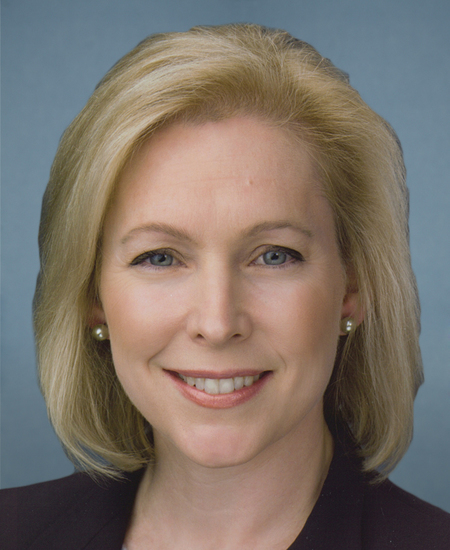
- Co-sponsored by Senator Kirsten Gillibrand.
- Legislative process:
- Bill has been read twice and referred to the Judiciary Committee, indicating initial steps in the Senate review process.
- As a new commission proposal, the timeline for passage would depend on committee markup, potential amendments, and floor consideration.
- Potential milestones (typical for similar measures):
- Committee hearings or briefings with experts and stakeholders.
- Drafting of a detailed charter or enabling statute specifying appointment processes, powers, and funding.
- Final report to Congress outlining recommendations and an implementation plan.
Notes and context
- The bill focuses on creating a centralized, authoritative body to systematically study hate crimes and propose preventative measures, rather than immediately expanding policing powers or creating new criminal statutes.
- The effectiveness would hinge on the Commission’s independence, data access, interoperability with existing agencies, and the adoption of its recommendations by federal, state, and local actors.
If you’d like, I can tailor this summary to a particular audience (policy makers, advocacy groups, or the general public) or compare it to existing hate-crime reporting frameworks.
Start the Conversation
Be the first to share your thoughts on this petition. Your voice matters!