

WeVote

Bill

Bill

S 4695

CONSENT Act

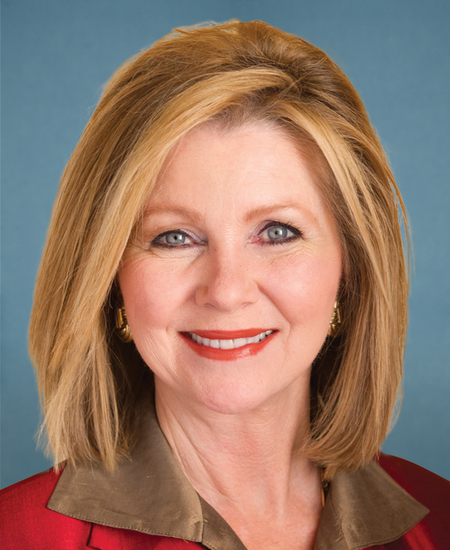
119th Congress Introduced by Marsha Blackburn and 1 co-sponsor

Establishes a federal private right of action for individuals harmed by unsolicited intimate visual depictions, enabling civil suits and remedies in federal court.

Introduced in Senate
0
WeVote Research Nonpartisan
Bill Summary · S 4695

Summary of Bill S. 4695 (119th Congress)

Purpose and intent

  • Establishes a private right of action against a person who transmits unsolicited intimate visual depictions.
  • The underlying goal is to provide individuals who are targeted with non-consensual intimate imagery a legal remedy in federal court, enabling civil suits for harms arising from such transmissions.

Key provisions and changes

  • Private right of action: Allows a plaintiff to sue a person who transmits an intimate visual depiction of another person without that person’s consent.
  • Scope of prohibited conduct: Focuses specifically on unsolicited intimate visual depictions. The bill outlines activities that would trigger liability, likely including transmission of sexually explicit images without consent, though the precise definitions in the text would determine what qualifies as an “intimate visual depiction” and “transmission.”
  • Remedies: Grants civil remedies to prevailing plaintiffs. Typical remedies in similar statutes include actual damages, statutory damages, injunctive relief, and attorney’s fees. The bill would specify the available damages and any caps, if included.
  • Standing and jurisdiction: As a federal bill, it would create federal jurisdiction for such claims and allow plaintiffs to sue in federal court, subject to any limitations on standing or procedural requirements outlined in the text.
  • Defenses and exclusions: The bill would likely spell out potential defenses for defendants (e.g., consent, defense of consent, or certain exemptions) and any affirmative defenses available to alleged transmitters.

Who or what would be affected

  • Primary affected parties: Individuals who are victims of unsolicited intimate visual depictions (victims who did not consent to the transmission).
  • Potentially affected entities: Communicators or platforms involved in transmitting intimate images, though the bill focuses on the transmitter rather than platform liability, and may affect individuals, private entities, or organizations that send such material.
  • Legal landscape impact: Introduces a federal civil remedy for non-consensual intimate imagery, complementing state laws and potentially encouraging uniform standards across jurisdictions.

Procedural and timeline aspects

  • Introduction and referral: Introduced in the Senate and referred to the Committee on the Judiciary on June 8, 2026.
  • Sponsorship: Co-sponsored by Senators Brian Schatz and Marsha Blackburn, indicating cross-party support.
  • Status pathway: After committee consideration, the bill would progress to the Senate floor for debate and a vote, then onward to the House (if applicable) per standard congressional procedure.

Additional notes

  • The bill’s effectiveness hinges on specific definitions (e.g., what constitutes an “intimate visual depiction,” what qualifies as “unsolicited,” and permissible defenses).
  • Details on damages, attorney’s fees, and procedural rules (statute of limitations, evidentiary standards, and jurisdictional issues) would be found in the text of the bill and any amendments.
  • As a relatively new proposal, it may undergo revisions in committee before potential floor action.

If you’d like, I can tailor this summary to emphasize potential policy implications, compare it to existing state laws addressing non-consensual intimate imagery, or extract and organize the specific definitions and remedies from the bill’s text once available.

Compiled from official sources — confirm details with the bill’s official record.

Sign in to ask a question.