

WeVote

Bill

Bill

S 5134

A bill to establish a Green New Deal for Health to prepare and empower the health care sector to protect the health and well-being of our workers, our communities, and our planet in the face of the climate crisis, and for other purposes.

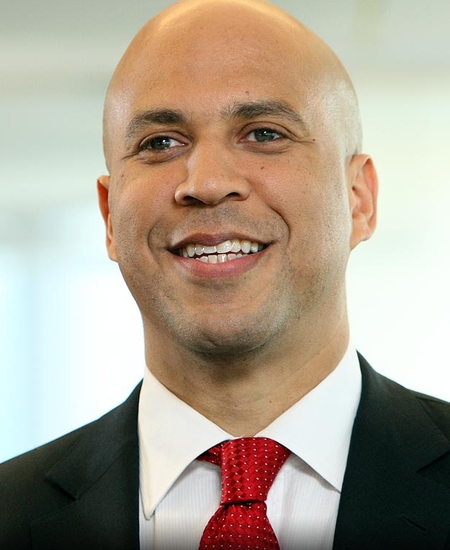
119th Congress Introduced by Cory Booker and 4 co-sponsors

The bill directs the health sector to decarbonize operations, strengthen climate resilience, and integrate sustainable practices across care delivery, supply chains, and workforce.

Introduced in Senate
0
WeVote Research Nonpartisan
Bill Summary · S 5134

Overview

S. 5134, introduced in the 119th Congress and referred to the Senate Committee on Health, Education, Labor, and Pensions, aims to establish a “Green New Deal for Health.” The bill seeks to prepare and empower the health care sector to protect the health and well-being of workers, communities, and the planet in the face of the climate crisis. It is sponsored (as co-sponsors) by prominent progressives including Elizabeth Warren, Ed Markey, Jeff Merkley, Cory Booker, and Bernie Sanders.

Purpose and Intent

  • Create a comprehensive framework to align health care delivery and the health sector with aggressive climate and environmental justice goals.
  • Protect public health by mitigating climate-related health risks and building resilience to climate impacts.
  • Promote sustainable, low-emission health care operations and supply chains.
  • Ensure that healthcare workers, patients, and communities benefit from a transition to a greener, healthier economy.

Key Provisions and Changes

Note: The following outlines reflect the bill’s stated aims and typical elements found in Green New Deal for Health proposals. Specific statutory text may detail agency authorities, funding levels, timelines, and reporting requirements (not all exact provisions may be listed here without the bill’s full text):

  • Sector-wide decarbonization of health care facilities and operations:
    • Reducing greenhouse gas emissions in hospitals, clinics, laboratories, and other health facilities.
    • Transitioning to clean energy sources, improved energy efficiency, and sustainable building standards.
  • Climate resilience and preparedness:
    • Strengthening health system capacity to respond to extreme heat, natural disasters, and other climate-related events.
    • Developing disaster-ready infrastructure and continuity plans for health care providers.
  • Workforce development and equity:
    • Training and supporting health care workers to implement climate-related health measures.
    • Ensuring equity in access to climate-resilient health care and addressing environmental justice concerns.
  • Supply chain and procurement reform:
    • Encouraging procurement of sustainable, low-emission medical supplies and equipment.
    • Reducing waste and promoting circular economy practices within the health sector.
  • Research, innovation, and data:
    • Supporting research on climate-health interactions and effective decarbonization strategies in health care.
    • Building data collection and reporting on emissions, resilience metrics, and health outcomes.
  • Economic and financing mechanisms:
    • Potentially creating or expanding funding streams, tax incentives, loans, or grants to support green health care projects and workforce training.
    • Aligning federal health programs and incentives with decarbonization goals where feasible.
  • Partnerships and interagency coordination:
    • Coordinated action among Health and Human Services, energy, environment, labor, and related agencies to implement climate-health objectives.
    • Engagement with states, tribal nations, healthcare systems, labor unions, patients, and communities.

Who and What Would Be Affected

  • Health care providers and facilities (hospitals, clinics, long-term care, laboratories, etc.) would implement decarbonization, resilience, and sustainability measures.
  • Health care workers and the broader health workforce through training, job opportunities, and professional development in climate health practices.
  • Patients and communities, particularly those in environmentally affected or underserved areas, through improved health outcomes and access to climate-resilient care.
  • Suppliers and distributors in the medical supply chain via updated procurement practices and sustainability requirements.
  • Federal, state, and local health systems through aligned policies, funding, and performance metrics.

Procedural and Timeline Aspects

  • Status: Read twice and referred to the Senate Committee on Health, Education, Labor, and Pensions (as of the most recent action).
  • Introduction date: 2026-07-27.
  • Next steps likely include: committee consideration, potential markup, and, if advanced, floor consideration in the Senate. Timelines for implementing any standards, funding, or regulatory changes would be detailed in the bill’s provisions and any accompanying reports or authorizations.

Potential Impacts and Considerations

  • Environmental and public health benefits from reduced emissions in the health sector and increased resilience to climate risks.
  • Economic impact via investments in green infrastructure, training, and procurement, with potential job creation in climate-resilient health care sectors.
  • Administrative and regulatory considerations for health care organizations adapting to new standards and reporting requirements.
  • Interaction with existing federal programs (Medicare/Medicaid, public health programs) to align incentives with decarbonization and resilience goals.

If you’d like, I can incorporate the exact text to pull out specific funding levels, timelines, and reporting requirements once the bill’s full language is available.

Compiled from official sources — confirm details with the bill’s official record.

Sign in to ask a question.