Summary of Bill S. 4782 (119th Congress)
Purpose and intent
- The bill seeks to establish a federal framework to combat scams by creating a centralized Priority Goal, a Scams Steering Committee, a Scams Action Plan, and a government-backed website devoted to scams information and prevention.
- Overall aim: improve coordination, awareness, and proactive prevention efforts across federal agencies to reduce scam-related harm to individuals and organizations.
Key provisions and changes
- Federal Government Priority Goal: Establishes an official government-wide priority target related to scam prevention and response. This would guide resources, scheduling, and performance assessments across agencies.
- Scams Steering Committee: Creates a cross-agency leadership body tasked with coordinating federal anti-scam efforts. Responsibilities likely include setting strategic priorities, aligning agency programs, monitoring progress, and reporting to Congress.
- Scams Action Plan: Requires development and periodic updating of an action plan that outlines specific initiatives, timelines, milestones, and metrics to prevent scams, disrupt scam networks, and protect the public. The plan would translate the Steering Committee’s priorities into implementable actions.
- Website for Scams Information and Prevention: Mandates a government website to centralize scams-related information, prevention tips, reporting channels, and resources. The site would serve both the public and possibly professionals, with updates on emerging scam techniques and protective guidance.
- Interagency Roles and Reporting: Likely delineates roles for participating federal departments (e.g., justice, homeland security, consumer protection agencies) and establishes reporting requirements to Congress on progress, effectiveness, and any gaps.
- Coordination with State/Local Entities: While not guaranteed, the bill may authorize or encourage coordination with state and local governments, non-profits, and private sector partners to broaden reach and impact.
Who would be affected
- Federal agencies: Required to participate in the Scams Steering Committee, align programs with the Priority Goal and Action Plan, and contribute data and reporting.
- Public and consumers: Gain improved access to centralized scams information, preventative guidance, and reporting mechanisms via the new website.
- Stakeholders in anti-fraud efforts: Law enforcement, consumer protection offices, and other government entities would align activities and share best practices under the coordinated framework.
Procedural and timeline aspects
- Introduced and referred: Introduced in the Senate and referred on June 15, 2026, to the Committee on Homeland Security and Governmental Affairs.
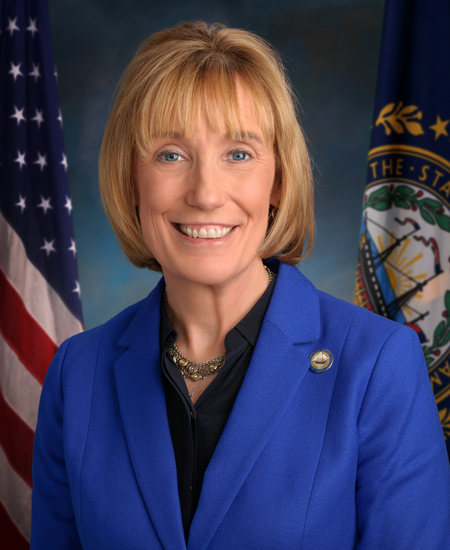
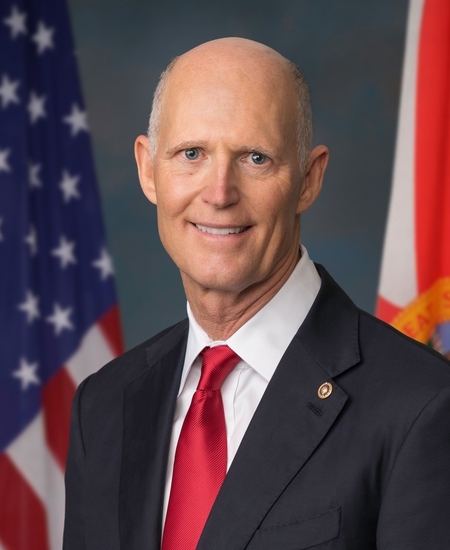
- Sponsorship: Co-sponsored by Senators Rick Scott and Maggie Hassan, indicating bipartisan interest in scam prevention initiatives.
- Next steps: Committee consideration would determine details of the Steering Committee structure, funding needs, timelines for the Scams Action Plan, and website implementation. Potential subsequent floor debate would address authorization levels, oversight, and any amendments.
Potential impact and considerations
- If enacted, the bill could enhance federal coordination in scam prevention and provide a centralized source of information for the public.
- The success would depend on funding, clear leadership roles, measurable benchmarks, and effective collaboration with non-federal partners.
- Privacy, civil liberties, and data handling considerations would need to be addressed in implementing a nationally accessible website and interagency data sharing.
If you would like, I can add a comparison to existing anti-scam efforts or outline potential funding implications and oversight requirements based on similar prior legislation.



Start the Conversation
Be the first to share your thoughts on this petition. Your voice matters!