

Bill
Sponsor avatar

BILL • US SENATE

S 4542

A bill to disqualify aliens from establishing good moral character, maintaining eligibility for asylum, and retaining lawful permanent resident status if they engage in activities in opposition to the United States Constitution, our form of government, or support Sharia law.

119th Congress
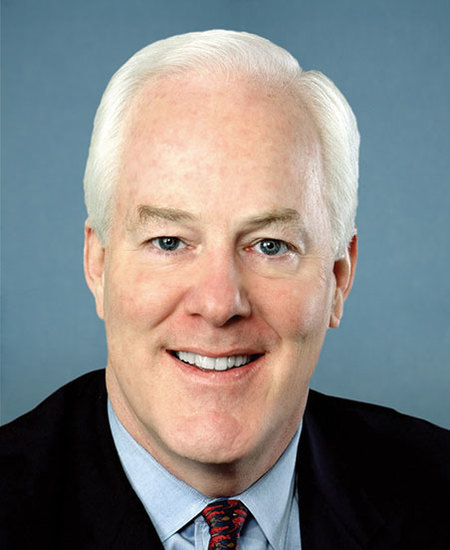
Introduced by John Cornyn, Tim Sheehy,

The bill would disqualify certain non-citizens from obtaining or maintaining asylum, good moral character, or permanent residence if they engage in activities opposed to the U.S. C

Introduced in Senate
0
0
Bill Summary · S 4542

Bill overview

  • Name: S 4542
  • Session: 119
  • Jurisdiction: United States Congress (Senate)
  • Title: A bill to disqualify aliens from establishing good moral character, maintaining eligibility for asylum, and retaining lawful permanent resident status if they engage in activities in opposition to the United States Constitution, our form of government, or support Sharia law.
  • Introduction and action: Introduced in the Senate and read twice on 2026-05-14; referred to the Committee on the Judiciary on 2026-05-14.
  • Sponsors: Co-sponsors John Cornyn and Tim Sheehy.

Purpose and intent

  • The bill seeks to add grounds for disqualifying non-citizens (aliens) from:
    • Establishing “good moral character” for purposes of immigration processes.
    • Maintaining eligibility for asylum.
    • Retaining lawful permanent resident (LPR) status (green card holders).
  • Core aim: Penalize or remove non-citizens who participate in activities the bill defines as opposing the U.S. Constitution, the U.S. form of government, or who support Sharia law.

Key provisions and changes (high-level)

  • Reform of good moral character: The bill would introduce or expand criteria to determine whether an alien lacks “good moral character,” potentially affecting admissibility or the ability to naturalize or remain in the U.S.
  • Asylum eligibility: The bill would disqualify individuals from asylum eligibility if they engage in certain activities that align with opposing the Constitution or government, or support Sharia law.
  • LPR status: The bill would jeopardize or remove LPR status for those who engage in outlined activities, potentially leading to removal or loss of permanent residence.
  • Behavioral criteria: The language indicates a focus on political or religious activities perceived as contrary to U.S. constitutional principles or the domestic governance framework.

Note: The bill’s text would specify definitions, scope, and due process protections (if any). The summary here captures the stated purpose and the broad categories of impact; exact statutory language would determine precise triggers and exceptions.


Who would be affected

  • Non-citizens seeking asylum, those applying to adjust to LPR status, and current LPRs or those maintaining permanent residence.
  • Individuals engaged in activities perceived as opposing the U.S. Constitution, the U.S. form of government, or supporting Sharia law, as defined by the bill.
  • Potentially, organized groups or individuals involved in advocacy or religious activities, depending on how the bill defines “opposition,” “support Sharia law,” and related terms.

Procedural and timeline aspects

  • Current status: Introduced in the Senate and referred to the Committee on the Judiciary.
  • Next steps: The Judiciary Committee would review, hold hearings if applicable, and vote on reporting the bill to the Senate floor. If reported, the full Senate could debate and potentially amend and vote.
  • Timelines: No specific dates beyond the initial introduction and referral are provided in the action history. Passage would require approval by the Senate and, subsequently, conference with the House (if there are House counterparts) and presidential action.

Potential considerations and implications

  • Constitutional and civil liberties considerations: The bill’s emphasis on “opposition to the United States Constitution” could raise questions about free speech, association, and how intent or belief is assessed.
  • Legal ambiguity: Key terms such as “good moral character,” “opposition to the Constitution,” “form of government,” and “support Sharia law” would require precise definitions to avoid overbroad or vague applications.
  • Enforcement and remedies: The bill would create or modify grounds for denial of asylum, loss of LPR status, and related enforcement actions; it may include any accompanying due process or appeal mechanisms as defined in the statute.

Summary

S 4542 proposes to narrow immigration protections by disqualifying certain aliens from establishing good moral character, from asylum eligibility, and from retaining LPR status if they engage in activities deemed to oppose the U.S. Constitution or government or to support Sharia law. Introduced and referred to the Judiciary Committee in May 2026, the bill’s passage would hinge on committee action and subsequent congressional considerations, with significant implications for non-citizens and those involved in related political or religious activities.

Hi! I'm your AI assistant for S 4542. I can help you understand its provisions, impacts, and answer any questions.

Key Provisions Impacts Timeline
Sign in to chat

Start the Conversation

Be the first to share your thoughts on this petition. Your voice matters!

Share your opinion above