

WeVote

Bill

Bill

S 4628

A bill to direct the Secretary of Agriculture to establish an initiative to address the availability, quality, and cost of childcare in rural areas, and for other purposes.

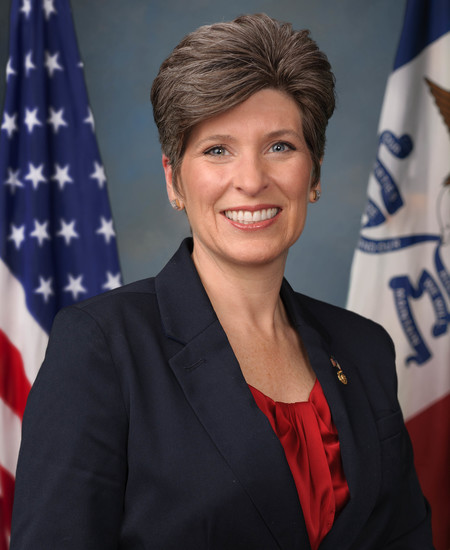
119th Congress Introduced by Joni Ernst and 3 co-sponsors

The bill creates the Expanding Childcare in Rural America Initiative to expand access, quality, and affordability of rural childcare using USDA loan and grant programs.

Introduced in Senate
0
WeVote Research Nonpartisan
Bill Summary · S 4628

Summary of Bill S.4628 (119th Congress)

Purpose and Intent

  • Establish a federal initiative aimed at expanding access to childcare in rural America.
  • The initiative, named the Expanding Childcare in Rural America Initiative, is directed by the Secretary of Agriculture and spans fiscal years 2027–2029.
  • The bill targets improving the availability, quality, and cost of childcare in rural areas and seeks to ensure more equitable distribution of benefits.

Key Provisions

  • Definitions (Section 1(a))

    • “Childcare” includes programs that provide quality care and early education for children not yet in first grade, operated by eligible providers (as defined under the Child Care and Development Block Grant Act of 1990 or providers licensed/registered and meeting health and safety requirements).
    • Includes school-based programs, Head Start (including migrant/seasonal and AI/AN Head Start programs), facilities used for such programs, and services provided under these programs.
    • “Initiative” refers to the Expanding Childcare in Rural America Initiative (Section 1(b)).
    • “Rural area” follows the definition in the Consolidated Farm and Rural Development Act.
    • “Secretary” means the Secretary of Agriculture.
  • Establishment of the Initiative (Section 1(b))

    • The Secretary shall establish the Expanding Childcare in Rural America Initiative.
    • For fiscal years 2027, 2028, and 2029, the Secretary must give priority to applications proposing to use loans or grants to address childcare availability, quality, or cost in rural areas.
  • Priority and Eligible Programs (Section 1(c))

    • Priority in selecting loan/grant recipients goes to qualified applicants that address rural childcare.
    • Eligible programs for funding include:
    • Essential Community Facilities Loan and Grant Program (7 U.S.C. 1926(a)).
    • Rural Business and Industry Direct and Guaranteed Loan Program (7 U.S.C. 1932(g)).
    • Rural Microentrepreneur Assistance Program (7 U.S.C. 2008s).
    • Intermediary Relending Program (7 U.S.C. 1936b).
  • Funding Allocation and Geography (Section 1(d))

    • Funding decisions must ensure a balanced geographical distribution of benefits across rural areas.
  • Evaluation and Reporting (Section 1(e))

    • Comprehensive evaluation due no later than 3 years after enactment, covering:
    • Types of projects, communities served, participating organizations, and partnerships formed.
    • Economic and social impacts of the investments.
    • A formal report to Congress (Senate Agriculture, Nutrition, and Forestry Committee; House Agriculture Committee) due no later than 4 years after enactment, detailing evaluation findings and outcomes.

Who Would Be Affected

  • Rural communities seeking childcare expansion or improvement.
  • Eligible childcare providers meeting federal/state licensing or Head Start eligibility.
  • Organizations and entities that participate in or benefit from the listed USDA loan/grant programs (e.g., community facilities, small businesses, microentrepreneurs, intermediary lenders).

Procedural and Timeline Details

  • Introduced in May 2026 and referred to the Senate Committee on Agriculture, Nutrition, and Forestry.
  • Fiscal years covered for initiative activity: 2027–2029.
  • Priority-based funding decisions intended to focus on rural childcare needs.
  • Evaluation timeline: initial evaluation due within 3 years; final report to Congress within 4 years of enactment.
  • Geography: emphasis on balanced distribution of funded projects across rural areas.

Potential Impacts

  • Increased availability and improved quality of rural childcare through targeted loans and grants.
  • Reduced barriers to childcare access in rural economies, potentially supporting workforce participation and economic development.
  • Strengthened integration with existing USDA rural development programs, leveraging facilities, lending, and intermediary services.
  • Data-driven insights through the mandated evaluation and reporting to inform future policy decisions.

Note: The bill outlines definitions, a new initiative within the Department of Agriculture, priority criteria for funding, eligible lending programs, equitable geographic distribution, and a structured evaluation-and-reporting mandate. It does not itself authorize specific appropriation levels beyond directing use of existing USDA loan/grant authorities for priority purposes.

Compiled from official sources — confirm details with the bill’s official record.

Sign in to ask a question.