

WeVote

Bill

Bill

S 3324

A bill to confirm and clarify the Federal Energy Regulatory Commission's obligation to assess and mitigate the impacts to climate change and environmental justice communities from projects approved pursuant to the Natural Gas Act, and for other purposes.

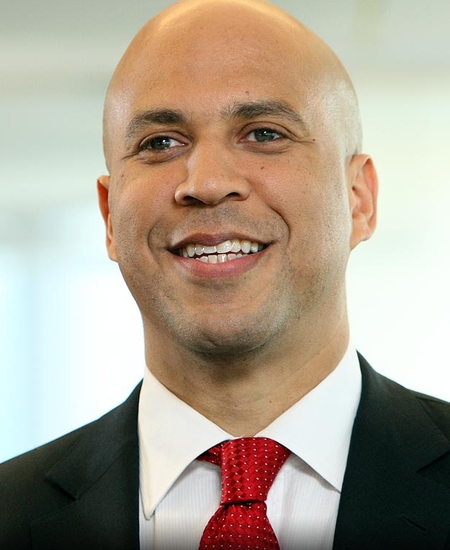
119th Congress Introduced by Cory Booker and 4 co-sponsors

Mandates FERC assess climate and environmental justice impacts when approving natural gas projects, potentially blocking infrastructure expansion in vulnerable communities.

Introduced in Senate
0
WeVote Research Nonpartisan
Bill Summary · S 3324

Legislative bill overview

S 3324 requires the Federal Energy Regulatory Commission (FERC) to explicitly assess and address climate change impacts and effects on environmental justice communities when reviewing natural gas infrastructure projects under the Natural Gas Act. The bill aims to clarify that FERC has an obligation to consider these factors in its approval process rather than treating them as optional considerations.

Why is this important

Natural gas projects—including pipelines, liquefaction facilities, and export terminals—significantly affect greenhouse gas emissions and disproportionately impact low-income and minority communities located near infrastructure. This bill attempts to formalize regulatory standards that environmental advocates argue FERC has been inconsistently applying, potentially blocking or redesigning projects that pose unacceptable climate or equity harms.

Potential points of contention

  • Industry opposition: Natural gas companies and utilities argue mandatory climate assessments will delay or block economically viable projects, increase costs, and undermine energy independence goals
  • FERC's current authority debate: Disagreement exists over whether FERC already possesses these assessment powers or if the bill represents an expansion of regulatory scope
  • Implementation standards: The bill doesn't specify how "unacceptable" climate impacts should be quantified or what mitigation measures satisfy the requirement, creating enforcement ambiguity

Compiled from official sources — confirm details with the bill’s official record.

Sign in to ask a question.