

WeVote

Bill

Bill

S 4293

A bill to close and dispose of Federal ownership of the Cesar E. Chavez National Monument in the State of California, and for other purposes.

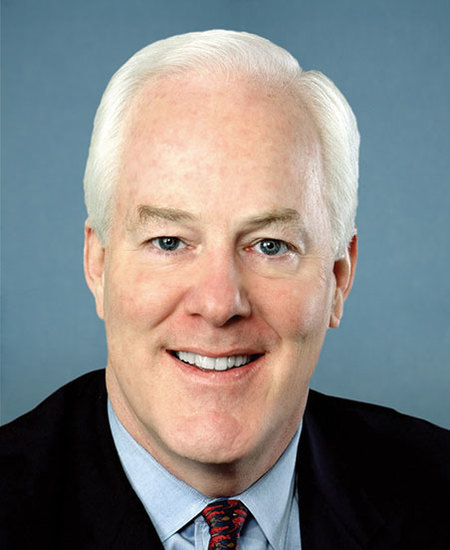
119th Congress Introduced by John Cornyn

The bill would terminate federal ownership of the Cesar E. Chavez National Monument and dispose of the property, potentially transferring it to a state, local, or nonprofit entity.

Introduced in Senate
0
WeVote Research Nonpartisan
Bill Summary · S 4293

Summary of Bill: S. 4293 (119th Congress) – “A bill to close and dispose of Federal ownership of the Cesar E. Chavez National Monument in the State of California, and for other purposes.”

Note: This summary is based on the bill’s title, action history, and sponsor information. If the full text contains additional provisions, those would refine the details below.

1) Purpose and Intent

  • The primary objective of S. 4293 is to end federal ownership and control of the Cesar E. Chavez National Monument located in California and to dispose of that federal property in some manner, consistent with “other purposes” referenced in the title.

2) Key Provisions and Changes

  • Prohibition/Termination of Federal Ownership:
    • The bill would terminate federal ownership of the Cesar E. Chavez National Monument, effectively removing it from federal designation and management as a National Monument.
  • Disposition of Federal Property:
    • The federal property currently designated as the Cesar E. Chavez National Monument would be disposed of. Disposition could involve transfer to another entity (e.g., state, local government, or private entity) or otherwise reclassify the property, consistent with the bill’s clauses.
  • Potential Transfer/Management Mechanisms (hypothetical, based on typical language in similar bills):
    • Transfer of title to a state or local government, a nonprofit organization, or a combined arrangement for continued preservation.
    • Obligations or conditions to ensure ongoing public access, preservation of Chavez’s legacy, or commemoration, if included.
  • Additional “Other Purposes” Provisions:
    • The bill may include ancillary provisions standard to disposal bills, such as:
    • Budgetary or financial considerations related to the disposition.
    • Compatibility with existing land-use or conservation requirements.
    • Periodic reporting or oversight requirements during the disposition process.

3) Affected Parties and Impacts

  • Federal Government:
    • Ownership, management, and funding responsibilities for the Cesar E. Chavez National Monument would be removed.
  • State/Local Governments or Nonprofit Entities:
    • Potential recipient(s) of the disposed property, subject to terms in the bill.
  • Public/Visitors:
    • Access and preservation status could change depending on the disposition arrangement, but the bill may aim to preserve public access and Chavez’s legacy through new ownership or stewardship.
  • Stakeholders in Cesar Chavez’s Legacy:
    • Organizations and communities focused on Cesar Chavez’s memory, labor history, and civil rights advocacy who monitor changes to the monument’s status.

4) Procedural and Timeline Aspects

  • Introduction and Referral:
    • Introduced in the Senate on 2026-04-14.
    • Referred to the Senate Committee on Energy and Natural Resources on 2026-04-14.
  • Status:
    • As of the provided history, the bill has not advanced to a floor vote or passed committee.
  • Sponsor:
    • Co-sponsor: Senator John Cornyn (Republican, Texas), indicating bipartisan sponsorship but not enough to determine fate.

5) Practical Considerations

  • Legal/Constitutional Aspects:
    • Disposition of federal land typically requires statutory authorization and may involve environmental review, land transfer agreements, and adherence to federal land-management laws.
  • Public Debate:
    • Bills that dissolve or privatize or transfer National Monuments often generate significant public attention, including discussions about heritage preservation, land use, and federal land management policy.

If you can provide the full text or specifics of each provision, I can refine this summary with exact disposition mechanics, transfer criteria, timelines, funding implications, and any reporting or oversight requirements.

Compiled from official sources — confirm details with the bill’s official record.

Sign in to ask a question.