

WeVote

Bill

Bill

S 4664

Safer Choice Program Authorization Act of 2026

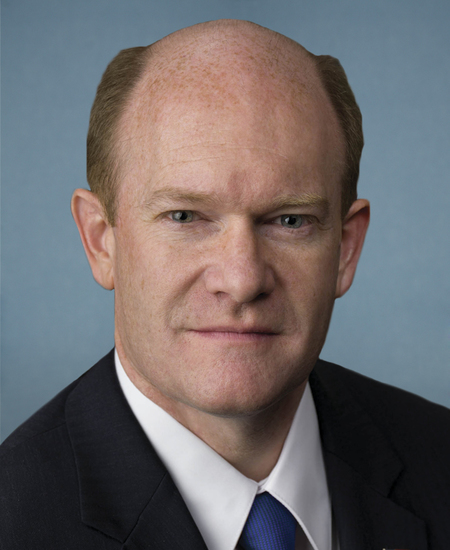
119th Congress Introduced by Chris Coons and 2 co-sponsors

Creates an EPA Safer Choice Program to evaluate, designate, and promote safer chemical products for labeling, procurement, and use.

Introduced in Senate
0
WeVote Research Nonpartisan
Bill Summary · S 4664

Summary of Bill: S.4664 (119th Congress) – A bill to authorize the Safer Choice Program within the Environmental Protection Agency, and for other purposes

Purpose and intent

  • Establishes and authorizes a formal Safer Choice Program within the U.S. Environmental Protection Agency (EPA).
  • Aims to promote the selection and use of safer chemical products and formulations, supporting safer consumer and environmental outcomes.
  • Includes “for other purposes” language that may authorize related actions, authorities, or program expansions connected to safety, labeling, procurement, or stewardship of chemical products.

Key provisions and changes (anticipated framework based on title and typical EPA program structure)

  • Authorization and scope of the Safer Choice Program: Codifies or expands EPA authority to operate a program that evaluates, designates, or recognizes chemical products as “safer” alternatives. This can involve criteria based on health, environmental, and safety considerations.
  • Designation criteria and process: Potentially outlines criteria used to assess products (e.g., toxicity, persistence, bioaccumulation, exposure potential) and a process for designation or recognition by the EPA.
  • Labeling, procurement, and use guidance: May authorize labeling standards, guidance for federal procurement, and encouragement for states, municipalities, and the private sector to adopt Safer Choice products.
  • Funding and personnel: Could authorize appropriations or internal EPA program funding to support evaluation, testing, data collection, and outreach.
  • Interagency and stakeholder coordination: Likely to establish collaboration channels with other agencies, laboratories, industry groups, NGOs, and academia to support program objectives.
  • Transparency and public data: May require public access to criteria, methodologies, and lists of designated products, along with performance data and safety assessments.
  • Reporting and accountability: Provisions for annual or periodic reporting on program activities, outcomes, and impact metrics.

Note: The bill text would provide precise definitions, eligibility, and implementation steps. This summary reflects the typical structure of an EPA Safer Choice-type initiative and the standard elements such bills contain.

Who would be affected

  • EPA and federal staff: Responsible for administering, evaluating, and overseeing the Safer Choice Program.
  • Chemical manufacturers and product developers: Entities seeking designation or recognition for safer products; may adjust formulations, testing, and documentation to meet criteria.
  • Procurement and purchasing entities: Federal, state, and local buyers encouraged or required to consider Safer Choice-designated products.
  • Public and environment: Potentially benefits from reduced exposure to hazardous chemicals and improved consumer and occupational safety.
  • Researchers and laboratories: May conduct assessments, generate data, and support program criteria and verification.

Procedural and timeline aspects

  • Introduction and referral: S.4664 introduced in the Senate and referred to the Senate Committee on Environment and Public Works (EPW) for consideration.
  • Committee process: The EPW Committee would review, hold hearings, and potentially amend the bill before reporting it to the full Senate.
  • Next steps: If advanced, the bill would proceed through floor consideration, possible negotiations with the House (if companion legislation exists or a conference is needed), and ultimately require passage by both chambers and presidential action (signature or veto) to become law.
  • Effective date: Any enacted law would specify effective dates for program establishment, designation criteria, and compliance timelines, though the exact dates would be in the enacted text.

Practical impact and considerations

  • Could standardize a federal approach to safer chemical design and procurement.
  • May influence market competition by creating a recognized standard for safer products.
  • Potential administrative burden on manufacturers to demonstrate compliance with designated criteria.
  • Opportunities for public-private partnerships and greater transparency in chemical safety data.

This summary conveys the bill’s overarching objectives and potential impacts based on its title and action history. For a precise understanding, please consult the full legislative text, official bill analyses, and any committee amendments.

Compiled from official sources — confirm details with the bill’s official record.

Sign in to ask a question.