

WeVote

Bill

Bill

S 4886

A bill to amend title XVIII of the Social Security Act to protect against high out-of-pocket expenditures for Medicare fee-for-service benefits, and to amend titles XVIII and XIX of the Social Security Act to enhance programs that protect low-income Medicare beneficiaries.

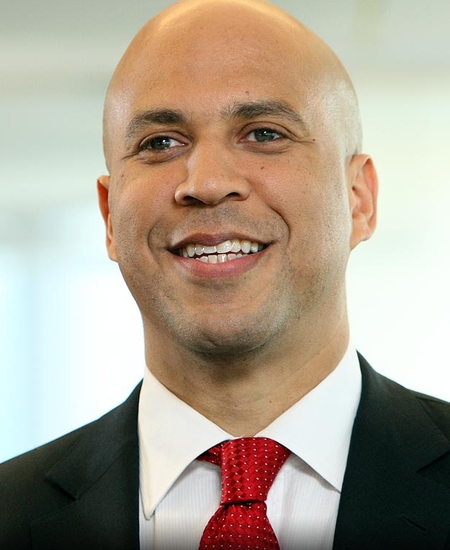
119th Congress Introduced by Cory Booker and 12 co-sponsors

The bill establishes protections to cap high out-of-pocket costs for traditional Medicare and expands subsidies and protections for low-income and Medicare Advantage beneficiaries.

Introduced in Senate
0
WeVote Research Nonpartisan
Bill Summary · S 4886

Summary of Bill S.4886 (119th Congress)

Purpose and intent

  • The bill aims to protect beneficiaries enrolled in Medicare fee-for-service (parts A and B) from high out-of-pocket costs.
  • It also seeks to strengthen and expand programs within Medicare (both Part XVIII, i.e., the main hospital/medical coverage structure, and Part XIX, i.e., Medicare Advantage) and related support mechanisms to assist low-income Medicare beneficiaries.

Key provisions and changes (highlights)

  • Out-of-pocket protections for FFS Medicare:

    • Introduces or expands safeguards to limit or reduce high out-of-pocket expenditures for beneficiaries under traditional Medicare.
    • Potentially sets caps or targets on yearly out-of-pocket spending for covered services, prescriptions, or durable medical equipment, though exact mechanisms would be specified in the text.
  • Enhanced protections for low-income beneficiaries:

    • Augments programs that assist low-income Medicare enrollees, such as low-income subsidy (LIS) and other income-based supports.
    • Expands eligibility, increases assistance amounts, or broadens the scope of services covered under these support programs.
    • May streamline access to premium and cost-sharing subsidies, and improve outreach or enrollment procedures.
  • Provisions affecting Parts A and B (FFS) and Part C (Medicare Advantage):

    • Aligns or augments protections across traditional Medicare and Medicare Advantage to ensure consistent protections against high costs.
    • Could require implementation of cost-sharing caps, enhanced coverage rules, or additional consumer protections within MA plans.
  • Administrative and programmatic updates:

    • Possible changes to how costs are calculated, how annual caps are indexed, or how beneficiaries are notified about out-of-pocket exposure.
    • May establish reporting requirements, oversight, or evaluation provisions to monitor effectiveness.

Who would be affected

  • Medicare beneficiaries enrolled in traditional fee-for-service (Parts A and B) who face substantial out-of-pocket costs.
  • Low-income Medicare beneficiaries who currently qualify for LIS or similar assistance, with potential expansions of eligibility or benefit levels.
  • Medicare Advantage enrollees, to the extent protections are harmonized or extended to Part C plans.
  • Providers and plans may face new compliance or reporting requirements related to cost-sharing protections and beneficiary assistance.

Procedural and timeline aspects

  • Introduced in the Senate and referred to the Committee on Finance.
  • Read twice and referred on 2026-06-24, indicating the bill will undergo committee consideration before potential floor action.
  • As a finance-committee bill, it would likely involve fiscal analyses, funding considerations, and potential budgetary impact assessments.

Additional notes

  • The bill is sponsored by a broad slate of notable Senators, including personnel with a focus on health care affordability and protection for low-income beneficiaries. Co-sponsors include Lisa Blunt Rochester, Elizabeth Warren, Chris Van Hollen, Ron Wyden, Peter Welch, Jeff Merkley, Ed Markey, Tammy Duckworth, Chuck Schumer, Cory Booker, Kirsten Gillibrand, Patty Murray, and Alex Padilla.
  • Specific numerical details (e.g., exact out-of-pocket caps, subsidy amounts, precise eligibility thresholds, and funding levels) will be defined in the bill text and accompanying committee reports.

If you’d like, I can extract and summarize the exact section numbers and proposed fiscal impact once the full text is available, and compare these provisions to current law (Medicare statutes and related subsidies).

Compiled from official sources — confirm details with the bill’s official record.

Sign in to ask a question.