

WeVote

Bill

Bill

S 3522

A bill to amend title XIX of the Social Security Act to require that State Medicaid programs provide at least one formulation of each type of medication for the treatment of opioid use disorder without prior authorization or limitations on dosage, and for other purposes.

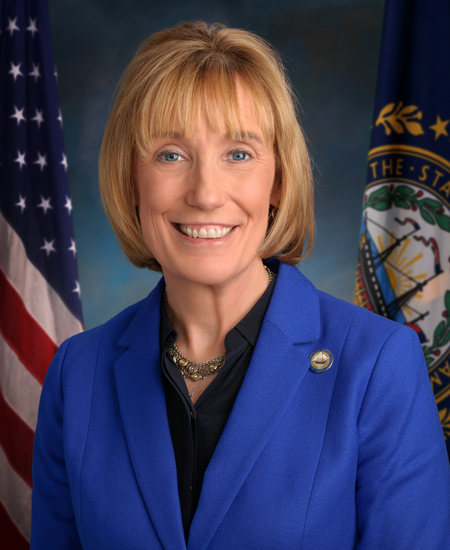
119th Congress Introduced by Maggie Hassan and 1 co-sponsor

Requires States' Medicaid to cover at least one formulation of every opioid-use-disorder medication type, with no prior authorization or dosage limits.

Introduced in Senate
1
WeVote Research Nonpartisan
Bill Summary · S 3522

Summary of Bill S.3522 (2025)

Overview

  • Bill number & title: S. 3522 — A bill to amend title XIX of the Social Security Act to require that State Medicaid programs provide at least one formulation of each type of medication for the treatment of opioid use disorder (OUD) without prior authorization or dosage limitations, and for other purposes.
  • Primary objective: Ensure all state Medicaid programs cover at least one formulation of each major medication used to treat opioid use disorder, with no prior authorization requirements or dosage restrictions for these medications.
  • Subject area: Federal Medicaid program (Title XIX of the Social Security Act) and access to medications for opioid use disorder.

Key Provisions (as indicated by the bill’s description)

  • Coverage requirement: States would be required to provide, within their Medicaid programs, at least one formulation of every type of medication approved for the treatment of opioid use disorder.
    • Likely refers to major OUD medications such as methadone, buprenorphine (including various formulations), and naltrexone (and possibly other approved agents).
  • Prior authorization & dosage limits: Prohibits prior authorization and any dosage limitations on the covered OUD medications.
  • Scope of “formulation”: The bill states “at least one formulation of each type of medication,” implying diverse formulations within each medication class (e.g., buprenorphine/naloxone combinations, extended-release vs. immediate-release forms, etc.) should be available in Medicaid formularies.
  • Other purposes: The title suggests additional measures related to opioid use disorder treatment and Medicaid, though specific provisions beyond access protections are not detailed in the available information.

Who Would Be Affected

  • State Medicaid Programs: Required to adjust formularies to meet the no-PA, no-dosage-limit standard for at least one formulation of each OUD medication type.
  • Medicaid Beneficiaries with OUD: Potentially improved access to a full range of OUD medications without administrative barriers or dosage restrictions.
  • Medicaid Managed Care Organizations & Providers: Entities delivering Medicaid benefits would need to ensure formulary compliance and may see changes in prior authorization workflows and treatment access practices.

Procedural & Timeline Aspects

  • Introduced in Senate: January 28, 2025.
  • Initial committee actions (requested): Referred to the Crime Victims, Crime and Correction committee on January 28, 2025 (duplicative entry noted in actions).
  • Later actions: On December 17, 2025, the bill is listed as introduced in the Senate and referred to the Committee on Finance.
  • Sponsorship: Primary sponsor — Senator Jessica Scarcella-Spanton.
  • Related bills (prior sessions): S 1520, S 1787, S 1983, S 5871, S 5580 (indicating prior-session discussions or similar proposals).

Potential Impacts and Considerations

  • Access & Public Health Impact: Removing prior authorization and dosage limits could reduce treatment barriers, potentially increasing initiation and continuity of care for OUD patients.
  • Cost Implications: States may face higher short-term pharmaceutical costs due to broader coverage, though improved treatment access can reduce downstream costs associated with untreated OUD (hospitalizations, criminal justice involvement, etc.).
  • Administrative Changes: States would need to align formularies with the “at least one formulation per type” standard, and remove PA/dose barriers, which could require policy updates and IT/formulary changes.
  • Federal vs. State Roles: As a Title XIX (Medicaid) matter, the bill would set federal requirements that states must implement in their Medicaid programs, potentially affecting state flexibility and budgeting.

Related Questions for Review

  • How would “each type” of OUD medication be defined and categorized for coverage?
  • What period would states have to comply with the new requirements after enactment?
  • Would federal funding or waivers be provided to assist states in implementing these changes?
  • How would the measure interact with existing state Medicaid waivers and managed care arrangements?

Compiled from official sources — confirm details with the bill’s official record.

Sign in to ask a question.