

WeVote

Bill

Bill

S 5037

A bill to amend title XIX of the Social Security Act to make all children eligible for Medicaid from birth until age 26, to require States to automatically enroll children and young adults under age 26 in the State Medicaid program, and for other purposes.

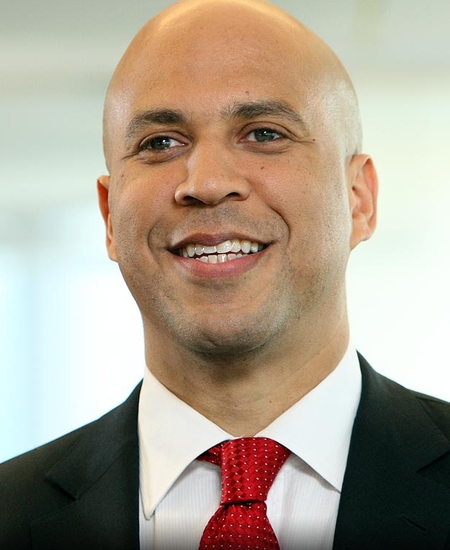
119th Congress Introduced by Cory Booker and 3 co-sponsors

Expands Medicaid to birth through age 26 and requires automatic enrollment for all in that group to improve coverage continuity and reduce gaps.

Introduced in Senate
0
WeVote Research Nonpartisan
Bill Summary · S 5037

Summary of Bill: S.5037 (119th Congress) — Medicaid Eligibility Expansion for Children and Young Adults

Purpose and intent

  • To amend title XIX of the Social Security Act with the goal of expanding Medicaid eligibility.
  • The core aims are to: (1) make all children eligible for Medicaid from birth through age 26, and (2) require States to automatically enroll children and young adults under age 26 in their State Medicaid programs.
  • The bill’s broader objective is to improve health coverage continuity for young people by reducing gaps in eligibility and simplifying enrollment.

Key provisions and changes

  • Universal birth-to-26 eligibility:

    • Replaces or overlays current eligibility rules with a standard that any child from birth up to age 26 is eligible for Medicaid, subject to the general program rules and federal funding assurances.
    • This would significantly extend the typical Medicaid/CHIP age thresholds beyond current limits in many States.
  • Automatic enrollment (automatic enrollment mandate):

    • Requires States to automatically enroll qualifying children and young adults under age 26 into their Medicaid program.
    • Likely involves processes such as auto-application/pull-through from other public program data sources (e.g., educational records, income data) and automatic enrollment without a separate, full application from the individual.
    • Aims to increase enrollment rates, reduce administrative barriers, and minimize lapses in coverage.
  • Operational and programmatic adjustments:

    • Potential alignment of enrollment systems, data-sharing, and verification procedures to support automatic enrollment.
    • Revisions to State plan amendments or federal oversight to implement automatic enrollment and universal eligibility.
    • Possible transition provisions to address coverage continuity and avoid disruption for current enrollees.

Who and what would be affected

  • Beneficiaries:

    • All individuals from birth through age 26 would become eligible for Medicaid in states implementing the law, subject to federal guidelines.
    • Automatically enrolled children and young adults would experience a streamlined enrollment process and potentially greater certainty of coverage.
  • States and Medicaid programs:

    • States would be required to implement automatic enrollment mechanisms for the affected population.
    • States may need to adjust IT systems, data-sharing agreements, eligibility verification, and enrollment-related administrative practices.
    • Periodic reporting and compliance requirements to verify automatic enrollment and eligibility determinations.
  • Federal role:

    • The bill would modify the federal-state partnership for Medicaid, including funding or matching implications consistent with title XIX changes.
    • Likely introduces new or revised regulatory guidance, oversight, and potential waivers or state plan amendments to implement automatic enrollment.

Procedural and timeline aspects

  • Current status (as of the provided action history):

    • Introduced in the Senate and referred to the Committee on Finance on July 21, 2026.
    • Co-sponsored by Senators Tammy Duckworth, Alex Padilla, Cory Booker, and Andy Kim.
  • Next steps in the legislative process:

    • Committee consideration by the Senate Finance Committee, including potential hearings, markups, and votes.
    • If advanced, potential reporting to the full Senate for consideration, followed by floor debate and passage.
    • If enacted, the bill would proceed to the House of Representatives (and ultimately to the President for signature or veto), with potential need for reconciliation or negotiation if Senate and House versions differ.

Potential impacts and considerations

  • Access and coverage: The intended effect is broader and more automatic access to Medicaid for a wider age range of young people, reducing uninsured rates among birth-to-26 cohorts.
  • Administrative burden: While automatic enrollment can reduce individual barriers, States would bear new or intensified administrative and IT development requirements.
  • Funding implications: Expanded eligibility and automatic enrollment could influence federal Medicaid funding through enhanced federal matching and related financing provisions; exact fiscal effects would be defined in the bill’s text and related budget provisions.
  • Policy alignment: The proposal aligns Medicaid with broader health coverage goals for younger populations and may interact with other federal programs and state health initiatives.

If you’d like, I can tailor this summary to include hypothetical fiscal impact ranges, potential regulatory considerations, or compare to current Medicaid/CHIP eligibility rules for context.

Compiled from official sources — confirm details with the bill’s official record.

Sign in to ask a question.