

WeVote

Bill

Bill

S 4304

TRAVEL Act of 2026

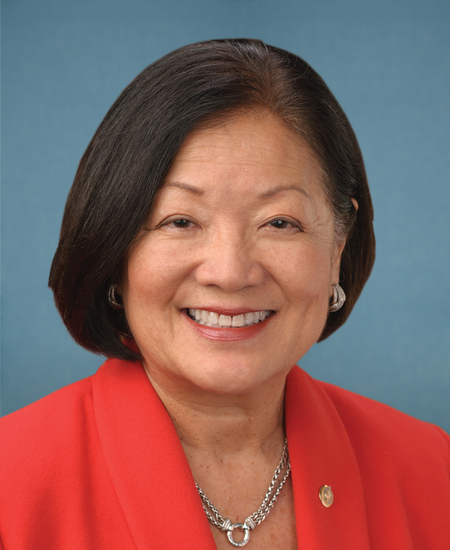
119th Congress Introduced by Mazie Hirono and 1 co-sponsor

The bill authorizes the VA Secretary to temporarily assign VA physicians as traveling physicians in U.S. territories and possessions to improve local veterans’ care.

Introduced in Senate
0
WeVote Research Nonpartisan
Bill Summary · S 4304

Summary of S. 4304 (119th Congress) – “A bill to amend title 38, United States Code, to authorize the Secretary of Veterans Affairs to assign physicians of the Department of Veterans Affairs to temporarily serve as traveling physicians in the territories and possessions of the United States, and for other purposes.”

Purpose and intent

  • The bill aims to authorize the Secretary of Veterans Affairs (VA) to temporarily assign VA physicians to serve as traveling physicians in the U.S. territories and possessions.
  • The overarching goal appears to expand the VA’s ability to provide medical care in locations where Veterans Affairs healthcare access is limited, by using VA physicians temporarily outside traditional VA facilities.

Key provisions (proposed changes)

  • Authority to assign traveling physicians: The bill would amend Title 38 of the U.S. Code to grant the VA Secretary explicit authority to designate VA physicians to serve temporarily as traveling physicians in U.S. territories and possessions.
  • Temporary assignments: The language indicates these assignments would be temporary, suggesting short-term deployments to regions lacking adequate VA healthcare access.
  • Scope of roles: While the bill text provided does not enumerate every duty, “traveling physicians” typically encompass medical services such as patient care, clinics, and other healthcare delivery activities conducted away from VA medical centers or clinics.
  • Other purposes: The phrase “and for other purposes” implies potential related authorities or authorities enabling implementation, such as related administrative, regulatory, or funding mechanisms to support temporary deployments (e.g., scheduling, reimbursement, or credentialing processes), though specifics would be in the final text or subsequent committee amendments.

Who is affected

  • VA physicians: They would be eligible for temporary assignments as traveling physicians to territories and possessions, expanding their scope of deployment beyond standard VA facilities.
  • Veterans in territories and possessions: Beneficiaries in these areas could receive care from VA physicians during temporary deployments, potentially improving access to VA-related health services.
  • VA program administration: VA healthcare administration would need to manage deployment logistics, credentialing, supervision, and reimbursement or funding for traveling assignments.
  • Territories and possessions healthcare access: Local healthcare ecosystems in territories/possessions could be impacted by the presence of traveling VA physicians, including coordination with local health systems.

Procedural and timeline aspects

  • Introduced and referred: The bill was introduced in the Senate and referred to the Committee on Veterans’ Affairs on 2026-04-15.
  • Sponsorship: Cosponsors include Tim Sheehy and Mazie Hirono.
  • Next steps (typical process): The committee would review the bill, possibly hold hearings, and may amend before sending it to the Senate floor for debate and vote. If passed, it would move to the House of Representatives (or be included in later reconciliation, depending on the legislative path) for consideration and potential enactment.
  • Effective date: The summary provided does not specify an effective date; detailed implementation timelines, funding authorities, and any pilot programs would typically be defined in the final bill text or subsequent authorizing legislation.

Potential impact considerations

  • Access to care: May improve VA healthcare access for residents in territories and possessions during deployed periods.
  • Operational flexibility: Provides the VA with a formal mechanism to deploy physicians where gaps exist, potentially addressing workforce distribution challenges.
  • Cost and funding: Implementation would require funding for travel, lodging, and compensation adjustments for traveling physicians, as well as any necessary credentialing and administrative support.
  • Quality and continuity of care: Temporary assignments necessitate clear supervision, continuity of care, and coordination with local healthcare providers.

If you’d like, I can tailor this summary to a specific audience (e.g., policymakers, veterans’ advocacy groups, healthcare administrators) or pull in the full text of the bill and proposed amendments for a more detailed line-item breakdown.

Compiled from official sources — confirm details with the bill’s official record.

Sign in to ask a question.